Your agents can now discover and load Agent Skills directly from a Model Context Protocol (MCP) server. Instead of shipping every skill inside your application or copying skill folders into each deployment, you point an agent at an MCP server and it pulls the skills it needs on demand. A central team can publish skills […] The post Discover Agent…
Microsoft Semantic Kernel
https://devblogs.microsoft.com/semantic-kernel/ · 20 posts · history since 2026 · active
Today
23 Jul
Most multi-agent apps wire every flow in application code: the sequence of steps, branching, and handoffs between agents all live inside the program, making the orchestration harder to review, version, and change. Declarative workflows make that orchestration explicit. In YAML, you define how agents coordinate, how state changes, where execution branches, and when people step […] The post Move Agent…
22 Jul
Your agents can now be built on a stable, batteries-included harness – the loop, planning, memory, context management, approvals, and telemetry that turn a model into an agent that actually does things – in both Python and .NET. What is an agent harness? An agent harness is the scaffolding that turns a language model into […] The post The Microsoft…
15 Jul

Your Python agents can now pick up reusable bundles of domain expertise (instructions, reference material, and scripts that load only when a task calls for them) through a stable, production-ready API. Agent Skills for Python in Microsoft Agent Framework is stable and shipping: the core skills API has no experimental gate, so you can rely […] The post Agent Skills…
9 Jul

Part 3 of Build your own claw and harness with Microsoft Agent Framework. In Part 2 our personal finance assistant learned to work with your data safely: it reads your portfolio, asks before it trades, and remembers what matters across sessions. It’s useful – but everything it knows is baked into one prompt, it does […] The post Agent Harness:…
8 Jul
Python’s agent-framework-orchestrations package is now 1.0.0. That puts Microsoft Agent Framework’s orchestration layer at 1.0 across Python and .NET. Sequential, concurrent, group chat, handoff, and magentic orchestration are now stable in both SDKs. You can pick the coordination pattern that fits your problem instead of choosing around SDK maturity. Magentic is the best example of […] The post Agent Framework’s…
7 Jul
You can now give your .NET agents reusable packages of domain expertise – instructions, reference documents, and scripts they load only when a task needs them – through a stable, production-ready API. Agent Skills for .NET in Microsoft Agent Framework has moved out of experimental preview – the [Experimental] attribute is removed and the API […] The post Agent Skills…
29 Jun
Part 2 of Build your own claw and agent harness with Microsoft Agent Framework. In Part 1 we stood up a harness and gave our personal finance assistant its first abilities: a custom tool, web search, and planning. It can talk about the markets – but it can’t yet touch your data, and nothing stops […] The post Agent Harness:…
22 Jun
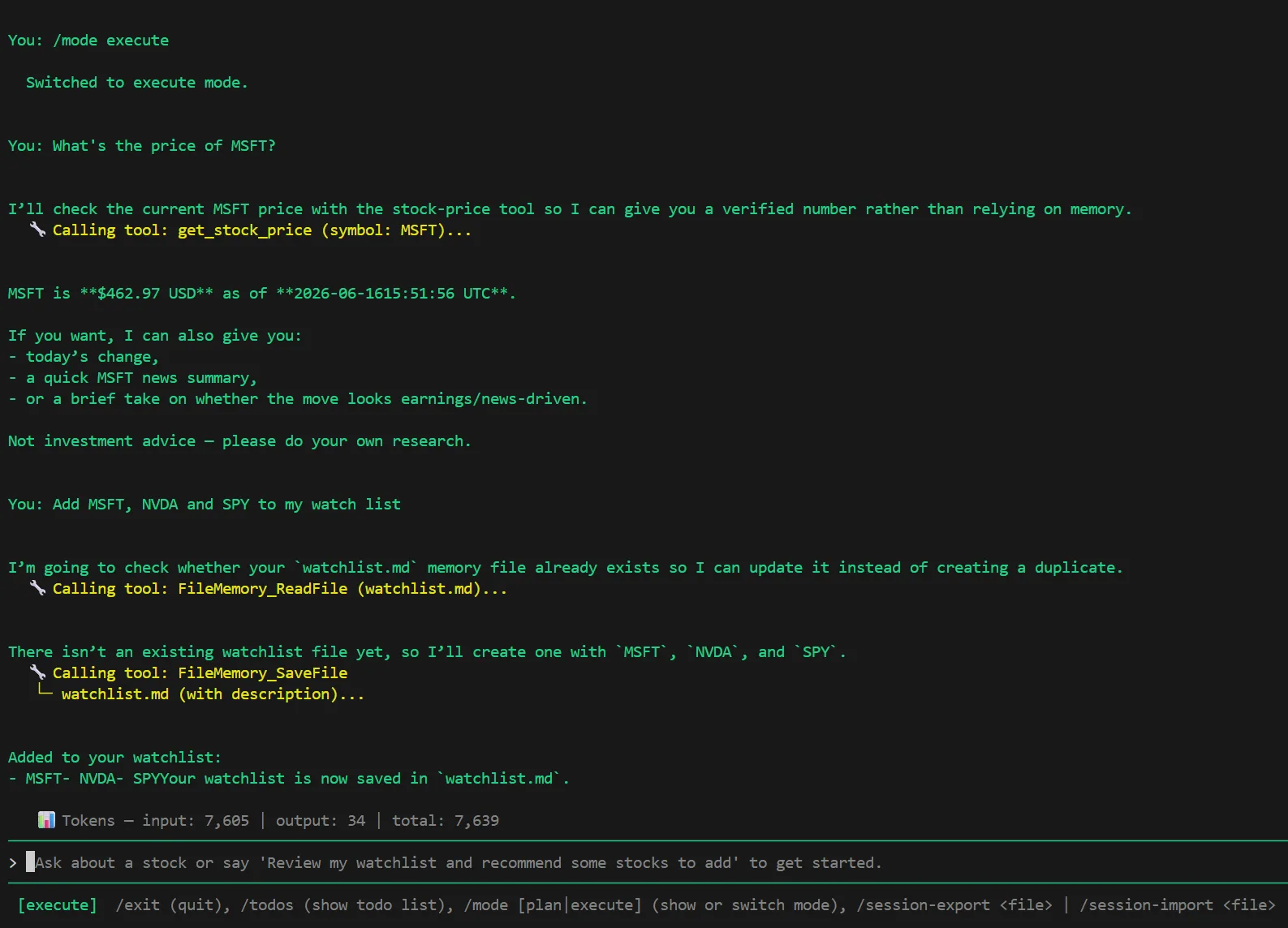
Part 1 of Build your own claw and agent harness with Microsoft Agent Framework. In the overview we said a “claw” is really just an agent harness: a loop around a model, wired up with tools, planning, memory, and more. In this first post we stand up that loop and give our personal finance assistant […] The post Meet your…

What does it take to build your own “claw” – a capable, CLI-style agent that can plan, use tools, remember things, and safely act on your behalf? Coding agents and assistants like these can feel like magic, but underneath they are an agent harness: a loop around a language model wired up with tools, planning, […] The post Build your…
9 Jun
In case you missed it, the Command Line blog was launched last week and has a great article (by yours truly) about our SDK design philosophy with Microsoft Agent Framework. Check it out: Inside the Microsoft Agent Framework: How we designed a layered SDK Developers are moving quickly from simple chat-based AI experiences to […] The post ICYMI: Inside the…
3 Jun

Microsoft Agent Framework at BUILD 2026: Agent Harness, Hosted Agents, CodeAct, and more BUILD 2026 is underway, and the Microsoft Agent Framework team have a round-up of exciting announcements! Microsoft Agent Framework (MAF) is our open-source SDK and runtime for building AI agents and multi-agent workflows, with the same concepts and APIs across .NET and […] The post Microsoft Agent…
1 Jun
BUILD 2026 begins on Tuesday, June 2, and there will be tons of exciting announcements from the Microsoft Agent Framework team, Microsoft Foundry, and all things Microsoft AI. If you’re traveling to San Francisco for BUILD, be sure to stop by the Microsoft Foundry booths to chat with folks from the Agent Framework team – […] The post Microsoft Agent…
22 May
Python developers working with Agent Skills can now author skills as files on disk, as inline Python code, or as reusable classes – and mix them freely through composable source classes that handle discovery, filtering, and deduplication. A skill living in your local repository, one installed from your organization’s internal package index, and a quick […] The post Agent Skills…
20 May
Prompt injection is the #1 risk on the OWASP LLM Top 10, and most agents in production today defend against it with one of two heuristics: a defensive system prompt, or a hand-rolled allowlist. Neither is deterministic. Both fail silently the day someone slips a [SYSTEM OVERRIDE] line into an issue body, an email, or […] The post Stop prompt…
14 May
Building powerful AI agents is only half the story, running them safely in production is the real challenge. As customers adopt Microsoft Agent Framework for agent orchestration, a clear need has emerged for robust, built-in governance. In this post, Imran Siddique from the AGT team walks through how Agent Governance Toolkit pairs with Agent Framework […] The post Governance at…
8 May
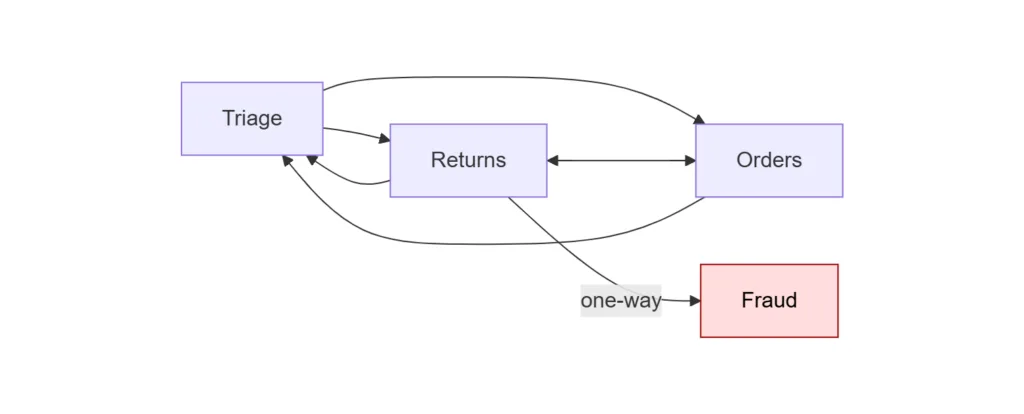
A Tour of the Handoff Orchestration Pattern Most multi-agent systems start out simple: a router agent receives a user request, picks the right specialist, and forwards the conversation. As long as each specialist can complete its task in one pass, that model works fine. The first time it breaks is when an agent needs more: […] The post A Tour…
6 May
Once you have your Microsoft Agent Framework (MAF) agent or workflow happily running locally on your dev machine, it’s time to decide how to deploy your agent to production, monitor it, evaluate it and version it. These decisions are just as important as getting the agent running. Hosted Agents in Foundry Agent Service is the […] The post From Local…
28 Apr

As organizations move from single-agent prototypes to multi-agent production systems, the ability for agents to communicate reliably across platforms and organizational boundaries becomes essential. With the release of A2A Protocol v1.0 and updated support in the Microsoft Agent Framework, you can now connect and expose your AI agents using a stable, production-ready interoperability standard – […] The post A2A v1…
24 Apr
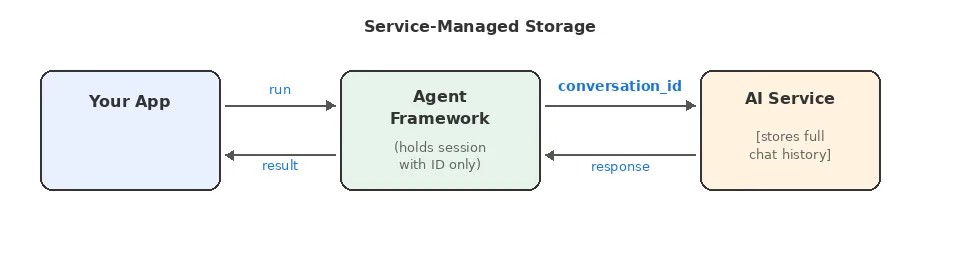
When people talk about building AI agents, they usually focus on models, tools, and prompts. In practice, one of the most important architectural decisions is much simpler: where does the conversation history live? Imagine a user asks your agent a complex question, clicks “try again,” explores two different answers in parallel, and then comes back […] The post Chat History…