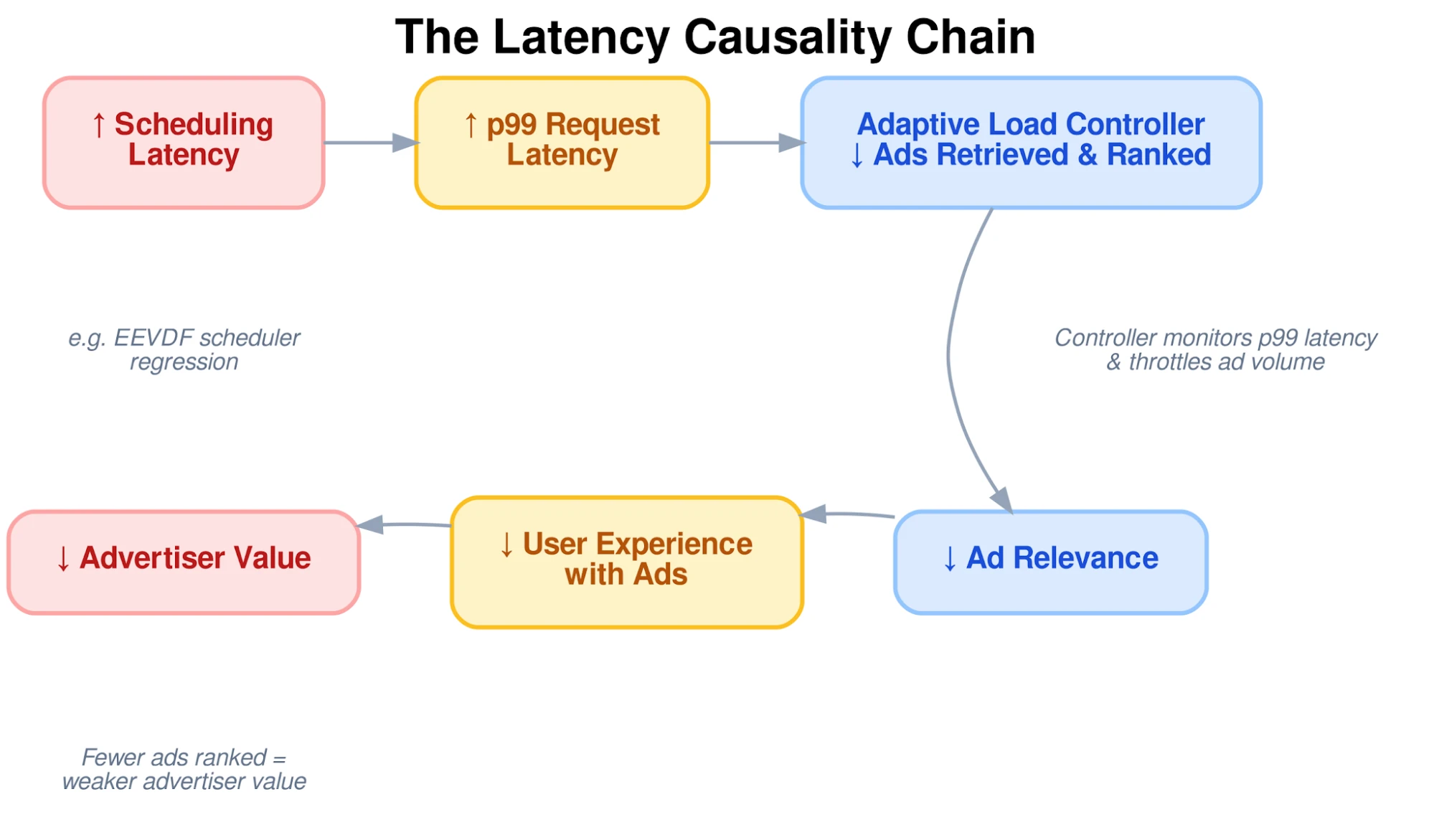
TL; DR At Meta’s scale, a few milliseconds of latency degradation can have a significant negative impact on ads performance. When a Linux kernel upgrade risked regressing latency across Meta’s ad serving fleet, we turned to sched_ext — the upstream, BPF-based extensible scheduling framework — to build a scheduling policy customized to the Ads delivery [...] Read More... The post…
#ml applications
35 posts
13 Jul
30 Jun
This year marks Meta’s 10th consecutive year as a sponsor of the Python Software Foundation (PSF), the charitable organization dedicated to advancing, supporting, and protecting the open-source Python programming language and the community that sustains it. Python is one of the world’s most influential programming languages, and we use it across our engineering stack, from [...] Read More... The post…
25 Jun
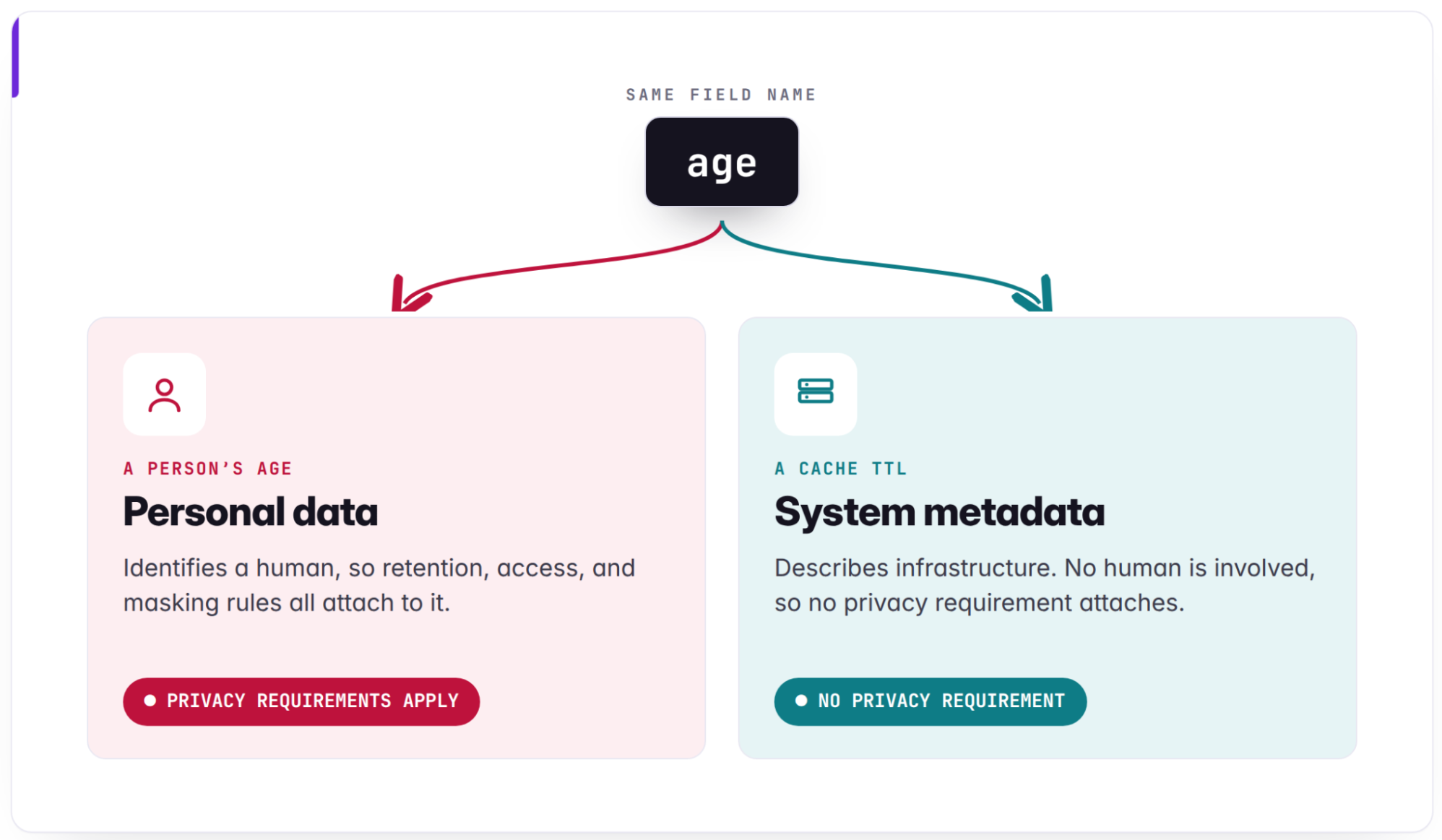
Privacy controls — systems that enforce retention, access, allowed-purpose, downstream-sharing, or anonymization policies — require a reliable understanding of data to function. Before such a control can operate effectively, it must know exactly what it is looking at. This can be complex, as demonstrated by a field simply named “age“: In one context, it might [...] Read More... The post…
26 May
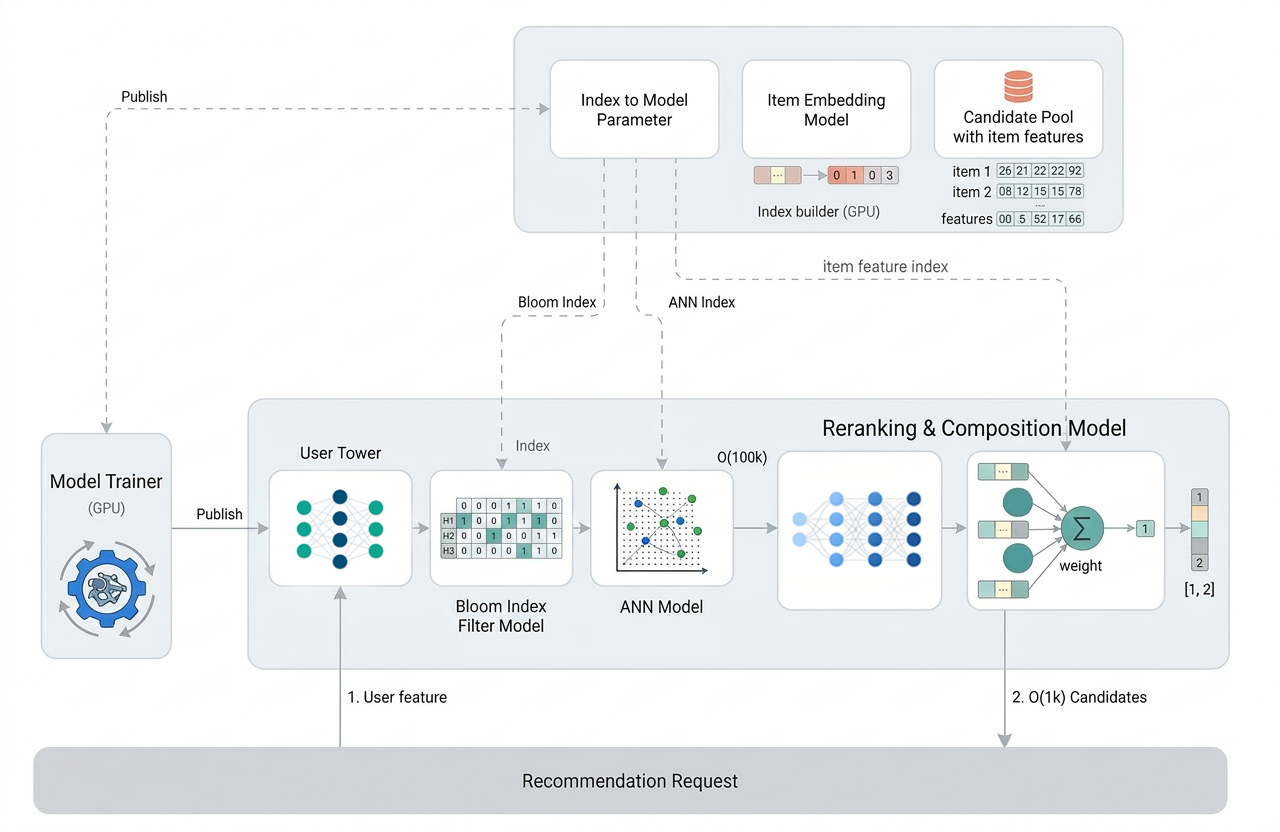
We’re introducing SilverTorch, a reimagining of recommendation systems that unifies all retrieval components for user generated content under a unified architecture. SilverTorch shows up to 23.7x higher throughput compared to the state-of-the-art approaches. It’s also showing 20.9x more compute cost efficiency compared to a CPU-based solution while also improving accuracy. Our research paper, “SilverTorch: A [...] Read More... The post…
13 May
On its face the new Friend Bubbles feature looks simple enough. It highlights Reels your friends have watched and reacted to. But sometimes the features that seem the most straightforward require the deepest engineering work. On this episode of the Meta Tech Podcast, Pascal Hartig chats with Subasree and Joseph, two software engineers from the Facebook [...] Read More... The…
21 Apr

We’ve fundamentally transformed Facebook Groups Search to help people more reliably discover, sort through, and validate community content that’s most relevant to them. We’ve adopted a new hybrid retrieval architecture and implemented automated model-based evaluation to address the major friction points people experience when searching community content. Under this new framework, we’ve made tangible improvements [...] Read More... The post…
16 Apr
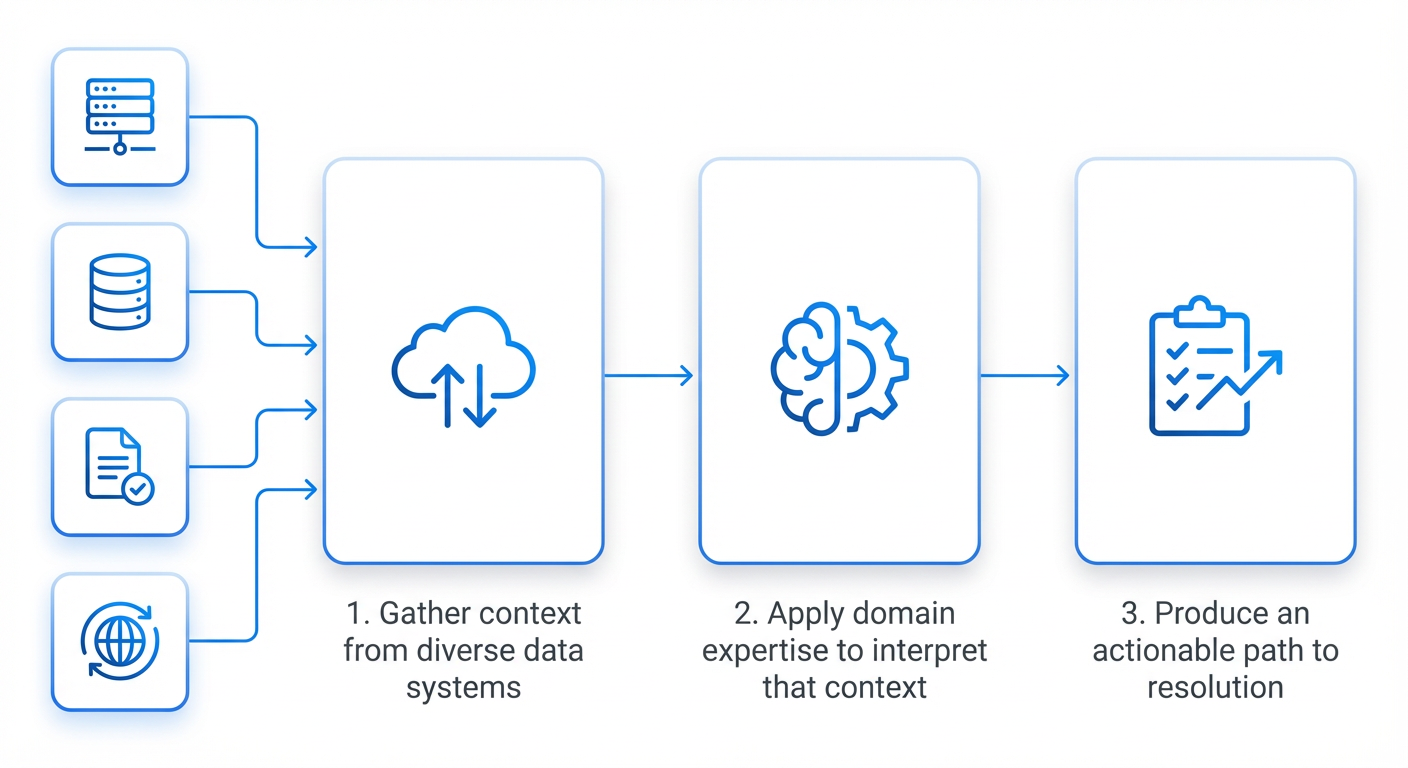
We’re sharing insights into Meta’s Capacity Efficiency Program, where we’ve built an AI agent platform that helps automate finding and fixing performance issues throughout our infrastructure. By leveraging encoded domain expertise across a unified, standardized tool interface these agents help save power and free up engineers’ time away from addressing performance issues to innovating on [...] Read More... The post…
6 Apr
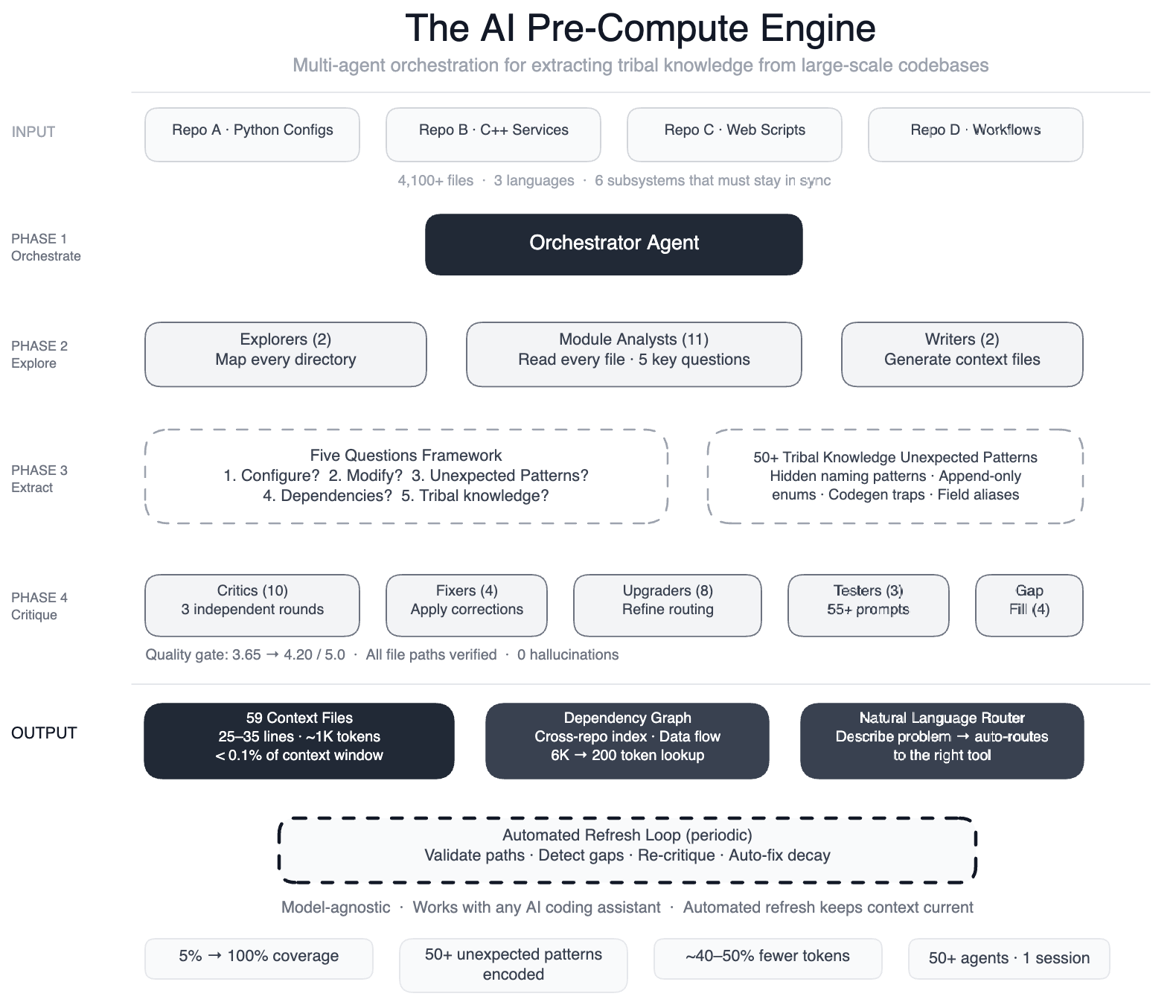
AI coding assistants are powerful but only as good as their understanding of your codebase. When we pointed AI agents at one of Meta’s large-scale data processing pipelines – spanning four repositories, three languages, and over 4,100 files – we quickly found that they weren’t making useful edits quickly enough. We fixed this by building [...] Read More... The post…
2 Apr
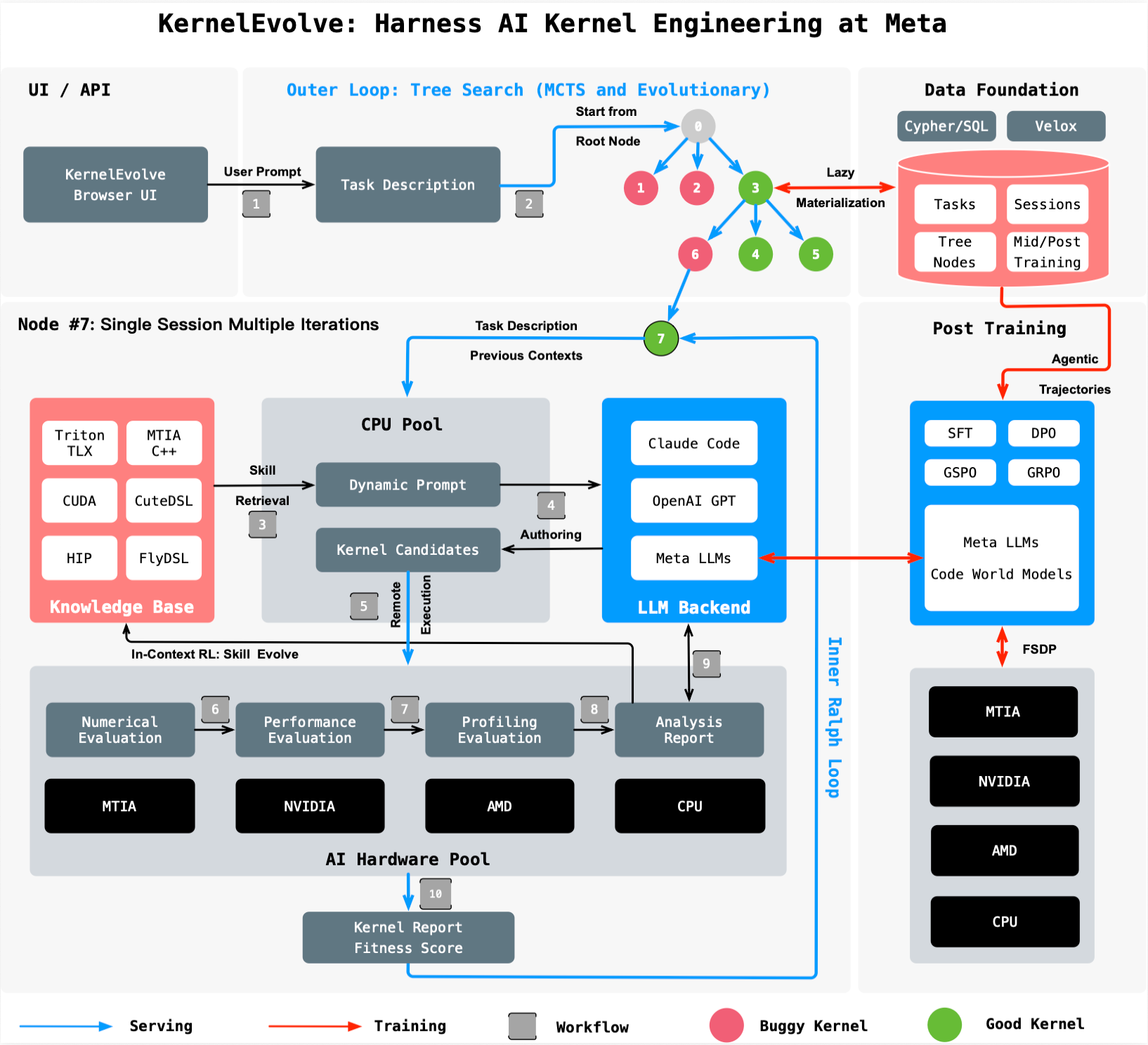
This is the second post in the Ranking Engineer Agent blog series exploring the autonomous AI capabilities accelerating Meta’s Ads Ranking innovation. The previous post introduced Ranking Engineer Agent’s ML exploration capability, which autonomously designs, executes, and analyzes ranking model experiments. This post covers how to optimize the low-level infrastructure that makes those models run [...] Read More... The post…
31 Mar
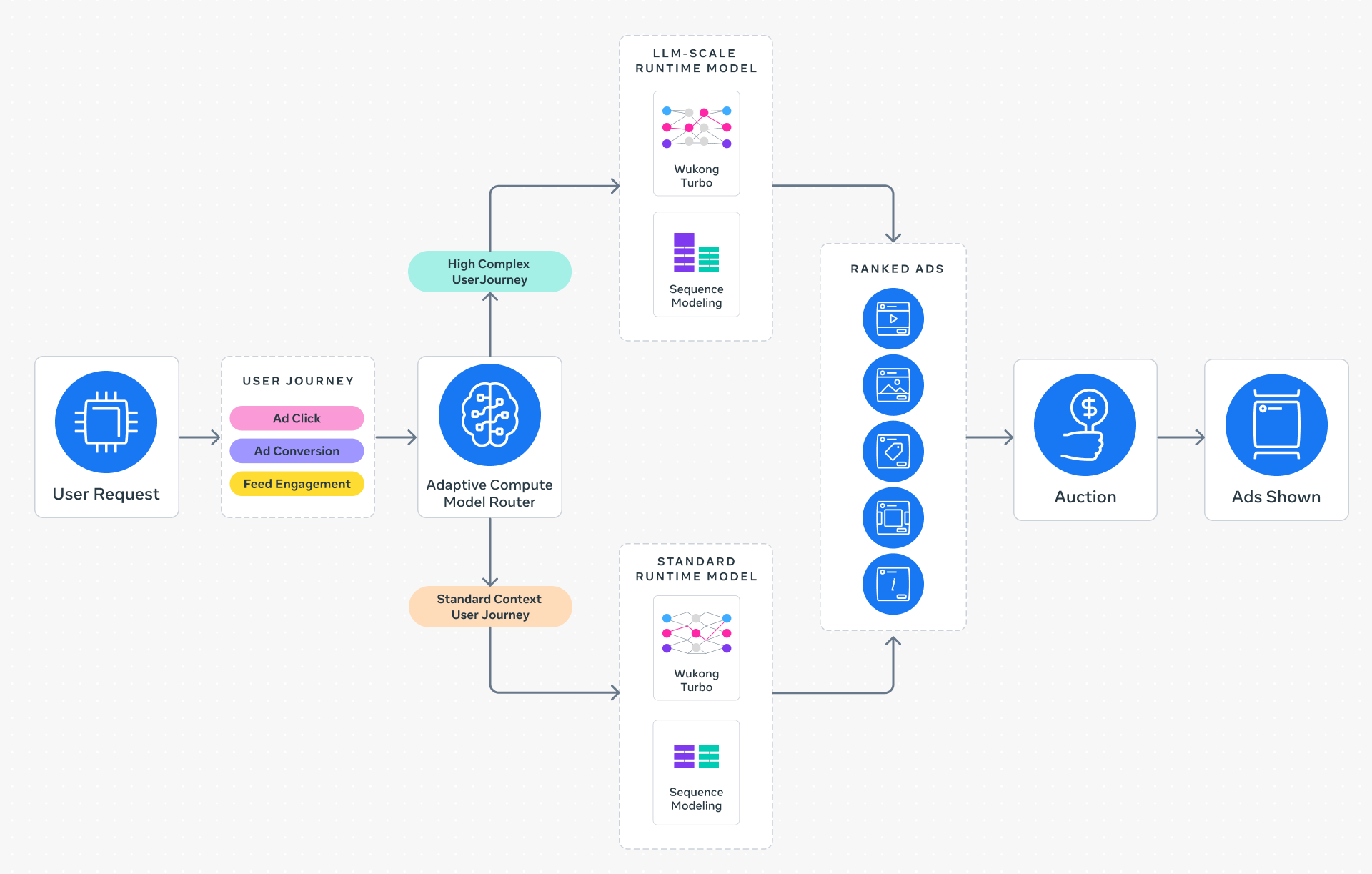
Meta Adaptive Ranking Model: Bending the Inference Scaling Curve to Serve LLM-Scale Models for Ads
FacebookMeta continues to lead the industry in utilizing groundbreaking AI Recommendation Systems (RecSys) to deliver better experiences for people, and better results for advertisers. To reach the next frontier of performance, we are scaling Meta’s Ads Recommender runtime models to LLM-scale & complexity to further a deeper understanding of people’s interests and intent. This increase [...] Read More... The post…
30 Mar
Meta is continuing its long-term roadmap to help the construction industry leverage AI to produce high-quality and more sustainable concrete mixes, as well as those exclusively produced in the United States. Concurrent with the 2026 American Concrete Institute (ACI) Spring Convention, Meta is releasing a new AI model for designing concrete mixes – Bayesian Optimization [...] Read More... The post…
18 Mar

Friend bubbles in Facebook Reels highlight Reels your friends have liked or reacted to, helping you discover new content and making it easier to connect over shared interests. This article explains the technical architecture behind friend bubbles, including how machine learning estimates relationship strength and ranks content your friends have interacted with to create more [...] Read More... The post…
17 Mar
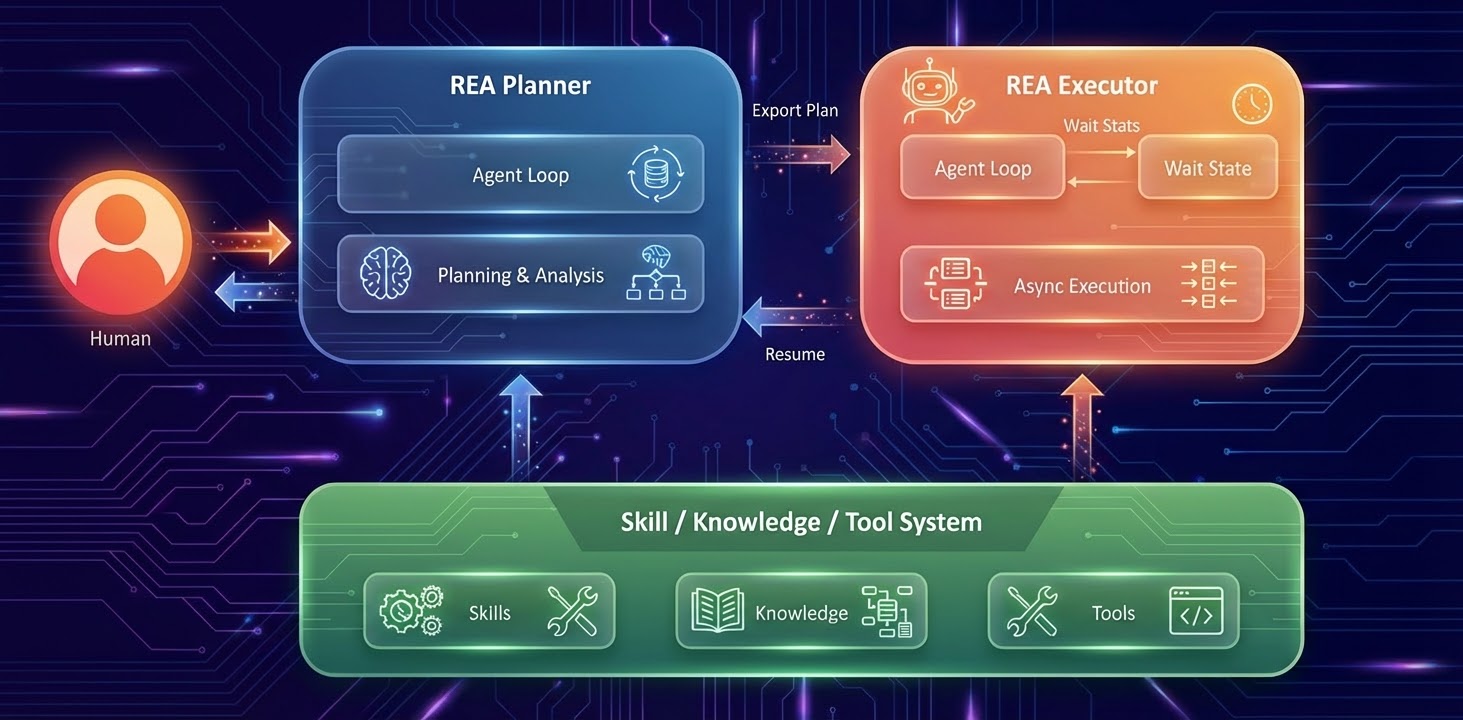
Ranking Engineer Agent (REA): The Autonomous AI Agent Accelerating Meta’s Ads Ranking Innovation
FacebookMeta’s Ranking Engineer Agent (REA) autonomously executes key steps across the end-to-end machine learning (ML) lifecycle for ads ranking models. This post covers REA’s ML experimentation capabilities: autonomously generating hypotheses, launching training jobs, debugging failures, and iterating on results. Future posts will cover additional REA capabilities. REA reduces the need for manual intervention. It manages [...] Read More... The post…
13 Mar
Even seemingly simple engineering tasks — like updating an API — can become monumental undertakings when you’re dealing with millions of lines of code and thousands of engineers, especially if the changes are security-related. Nowhere is this more apparent than in mobile security, where a single class of vulnerability can be replicated across hundreds of [...] Read More... The post…
24 Feb
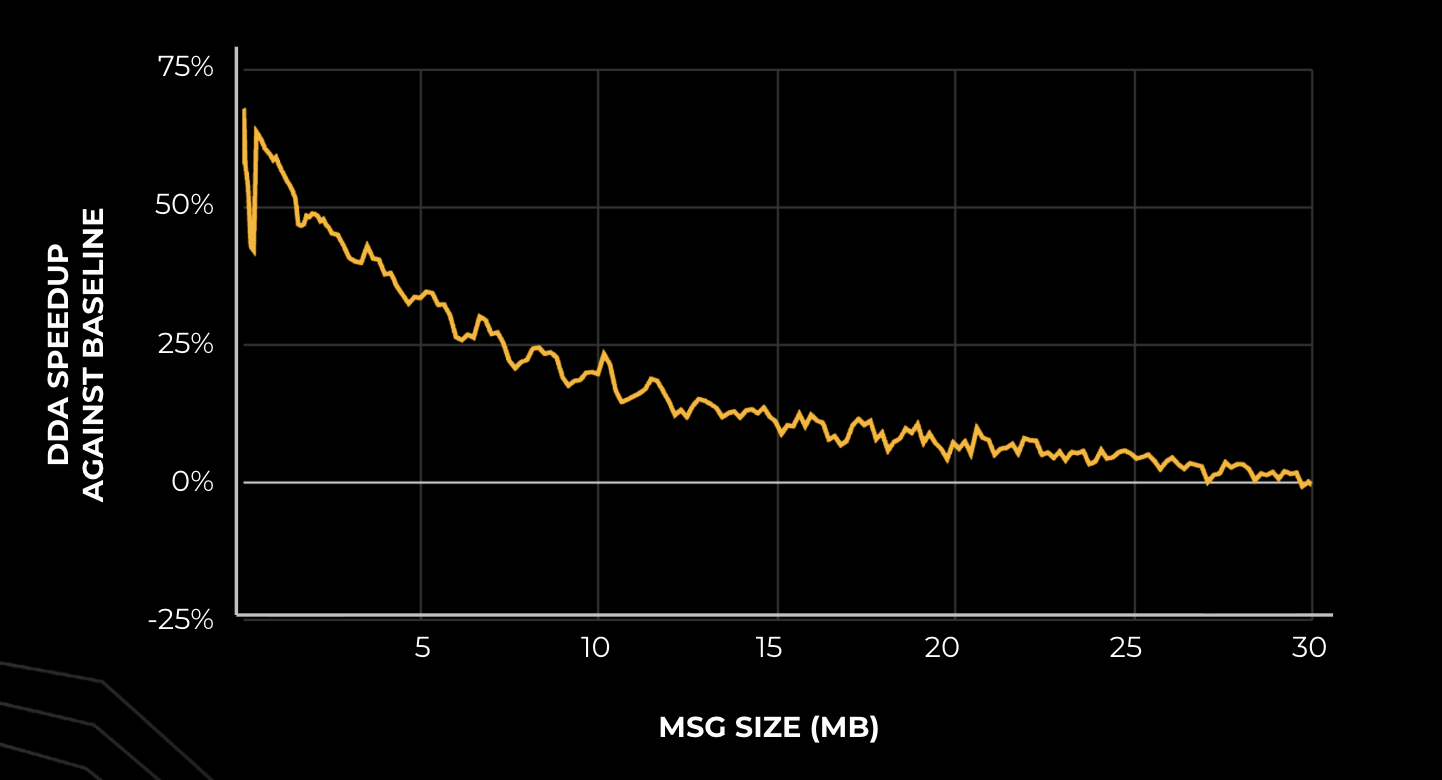
We are open-sourcing the initial version of RCCLX – an enhanced version of RCCL that we developed and tested on Meta’s internal workloads. RCCLX is fully integrated with Torchcomms and aims to empower researchers and developers to accelerate innovation, regardless of their chosen backend. Communication patterns for AI models are constantly evolving, as are hardware [...] Read More... The post…
11 Feb
The Death of Traditional Testing: Agentic Development Broke a 50-Year-Old Field, JiTTesting Can Revive It
FacebookWHAT IT IS The rise of agentic software development means code is being written, reviewed, and shipped faster than ever before across the entire industry. It also means that testing frameworks need to evolve for this rapidly changing landscape. Faster development demands faster testing that can catch bugs as they land in a codebase, without [...] Read More... The post…
14 Jan
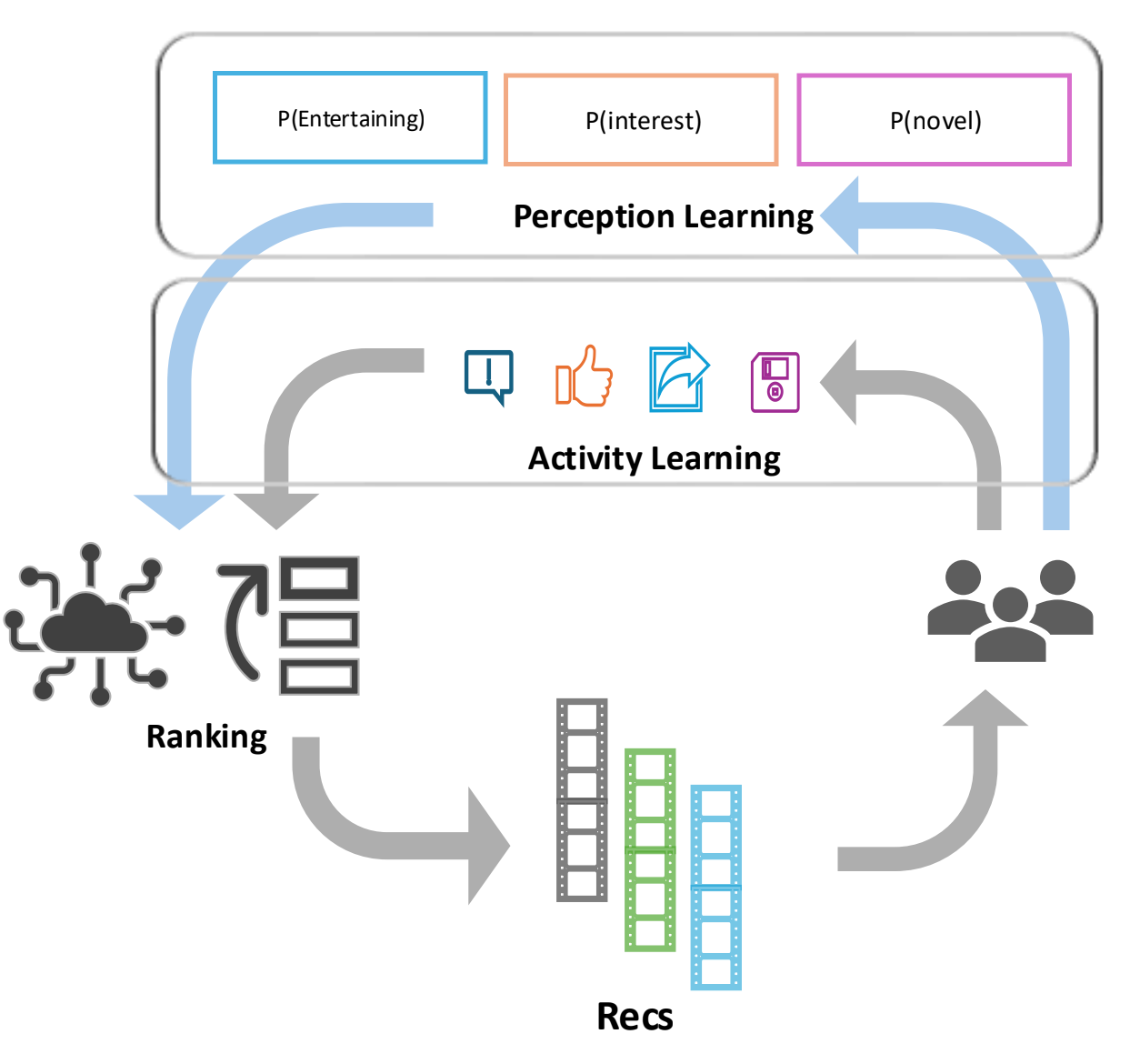
We’ve improved personalized video recommendations on Facebook Reels by moving beyond metrics such as likes and watch time and directly leveraging user feedback. Our new User True Interest Survey (UTIS) model, now helps surface more niche, high-quality content and boosts engagement, retention, and satisfaction. We’re doubling down on personalization, tackling challenges like sparse user data [...] Read More... The post…
19 Dec 2025

Incident investigation can be a daunting task in today’s digital landscape, where large-scale systems comprise numerous interconnected components and dependencies DrP is a root cause analysis (RCA) platform, designed by Meta, to programmatically automate the investigation process, significantly reducing the mean time to resolve (MTTR) for incidents and alleviating on-call toil Today, DrP is used [...] Read More... The post…
15 Dec 2025

Meta’s secure-by-default frameworks wrap potentially unsafe OS and third-party functions, making security the default while preserving developer speed and usability. These frameworks are designed to closely mirror existing APIs, rely on public and stable interfaces, and maximize developer adoption by minimizing friction and complexity. Generative AI and automation accelerate the adoption of secure frameworks at [...] Read More... The post…
21 Nov 2025
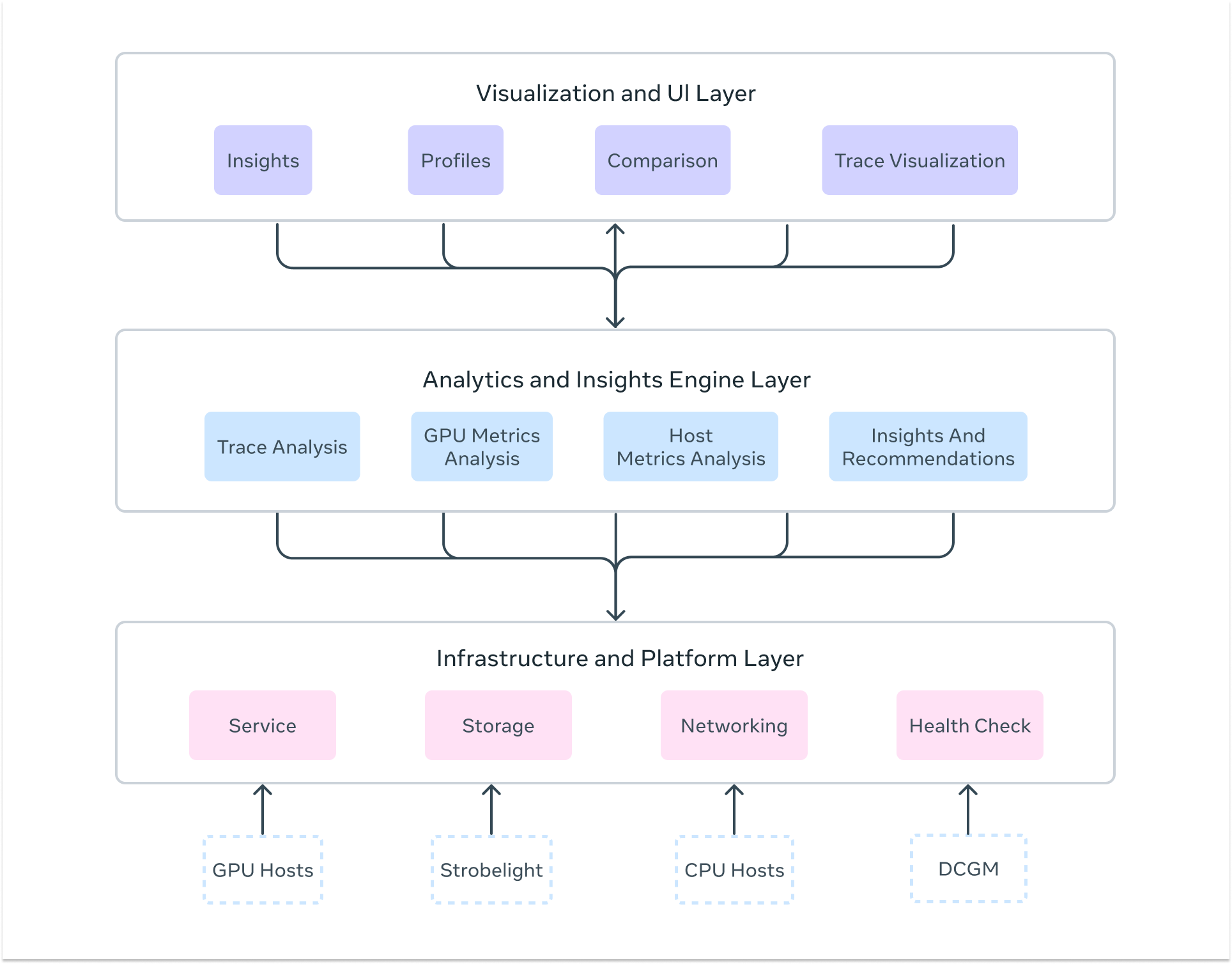
Zoomer: Powering AI Performance at Meta’s Scale Through Intelligent Debugging and Optimization
FacebookWe’re introducing Zoomer, Meta’s comprehensive, automated debugging and optimization platform for AI. Zoomer works across all of our training and inference workloads at Meta and provides deep performance insights that enable energy savings, workflow acceleration, and efficiency gains in our AI infrastructure. Zoomer has delivered training time reductions, and significant QPS improvements, making it the [...] Read More... The post…
14 Nov 2025
Most people have heard of open-source software. But have you heard about open hardware? And did you know open source can have a positive impact on the environment? On this episode of the Meta Tech Podcast, Pascal Hartig sits down with Dharmesh and Lisa to talk about all things open hardware, and Meta’s biggest announcements [...] Read More... The post…
10 Nov 2025

Meta’s Generative Ads Model (GEM): The Central Brain Accelerating Ads Recommendation AI Innovation
FacebookWe’re sharing details about Meta’s Generative Ads Recommendation Model (GEM), a new foundation model that delivers increased ad performance and advertiser ROI by enhancing other ads recommendation models’ ability to serve relevant ads. GEM’s novel architecture allows it to scale with an increasing number of parameters while consistently generating more precise predictions efficiently. GEM propagates [...] Read More... The post…
14 Oct 2025
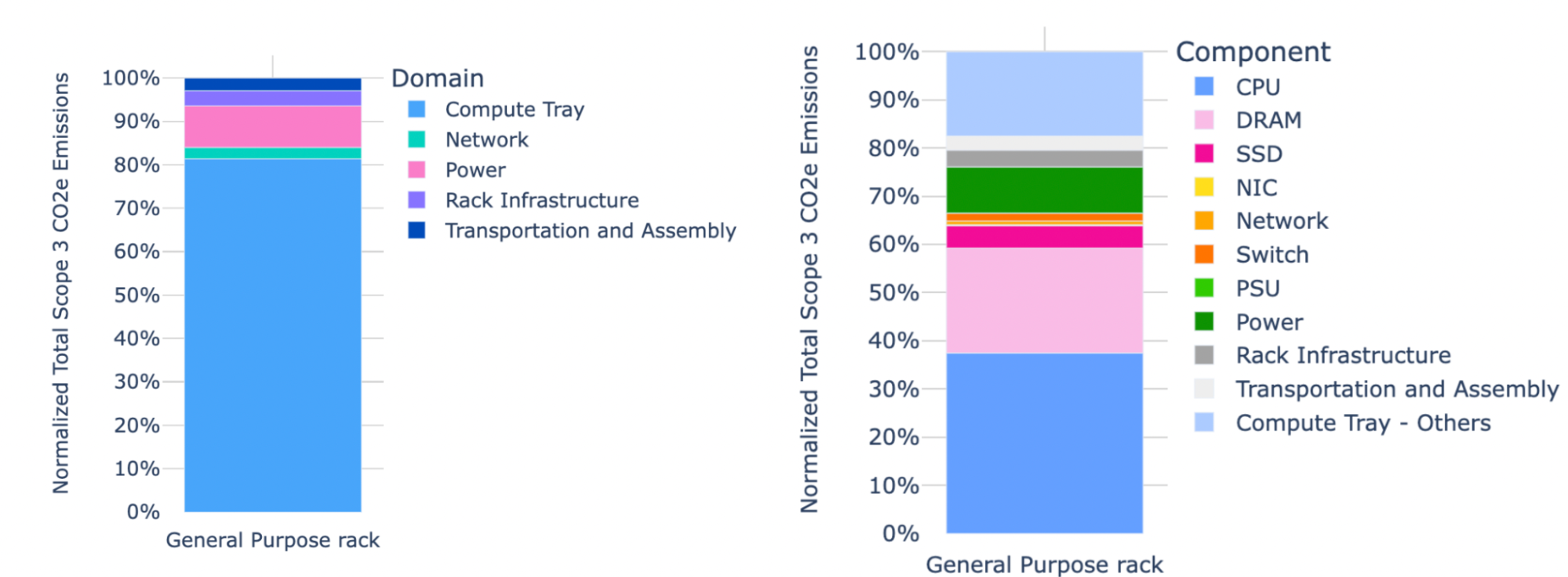
How Meta Is Leveraging AI To Improve the Quality of Scope 3 Emission Estimates for IT Hardware
FacebookAs we focus on our goal of achieving net zero emissions in 2030, we also aim to create a common taxonomy for the entire industry to measure carbon emissions. We’re sharing details on a new methodology we presented at the 2025 OCP regional EMEA summit that leverages AI to improve our understanding of our IT [...] Read More... The post…
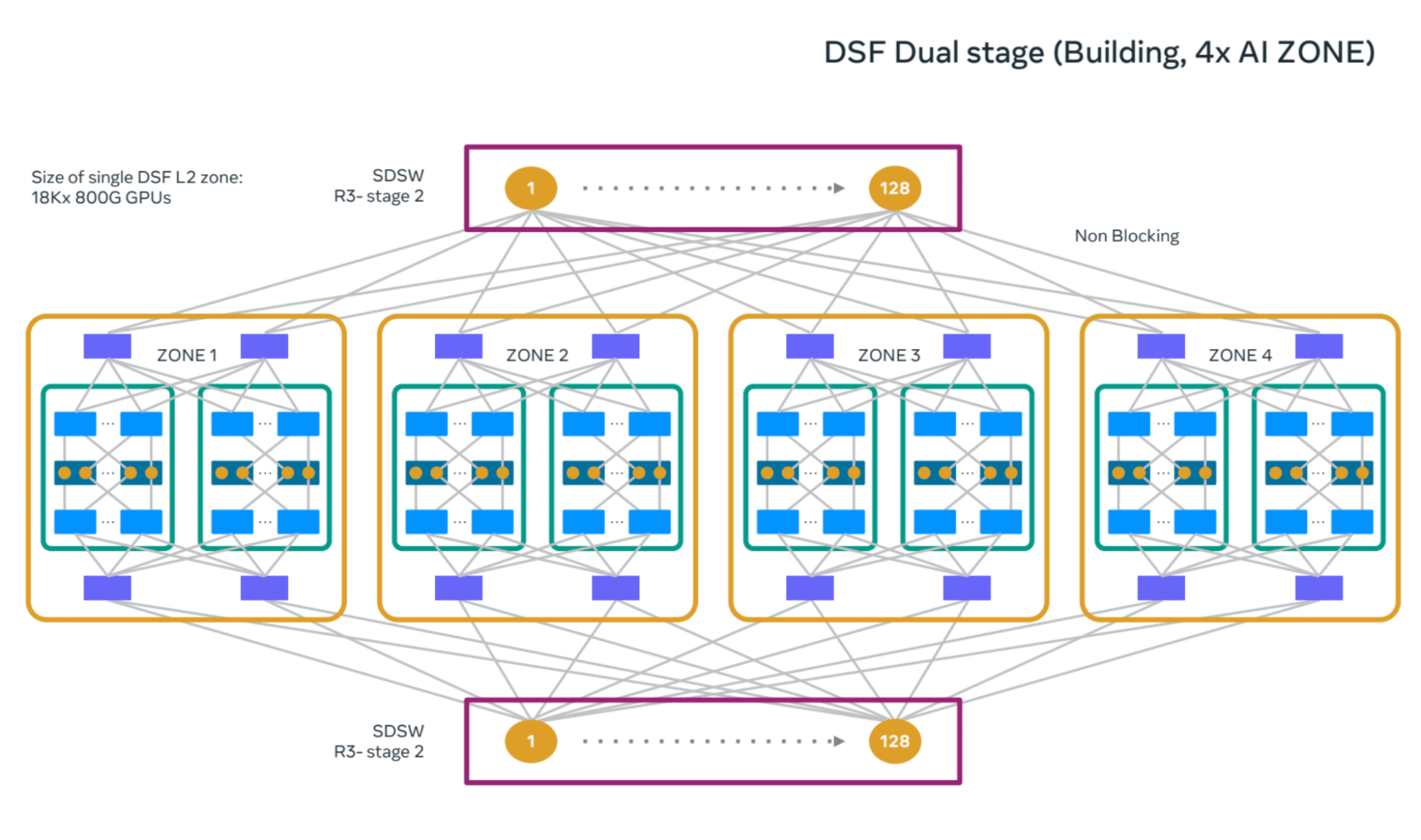
At Open Compute Project Summit (OCP) 2025, we’re sharing details about the direction of next-generation network fabrics for our AI training clusters. We’ve expanded our network hardware portfolio and are contributing new disaggregated network platforms to OCP. We look forward to continued collaboration with OCP to open designs for racks, servers, storage boxes, and motherboards [...] Read More... The post…
30 Sept 2025
Following our keynote presentations at FSE 2025 and Eurostar 2025, we’re delving further into the development of Meta’s Automated Compliance Hardening (ACH) tool, an LLM-based tool for software testing that is automating aspects of compliance adherence at Meta, while accelerating developer and product velocity. By leveraging LLMs we’ve been able to overcome the barriers that [...] Read More... The post…
29 Sept 2025
Imagine being able to use AI to create 3D virtual worlds using prompts as easily as you can generate images. The intersection of AI and VR was one of the biggest topics at Meta Connect this year. In his keynote, Mark Zuckerberg shared his vision of a future where anyone can create virtual worlds using [...] Read More... The post…
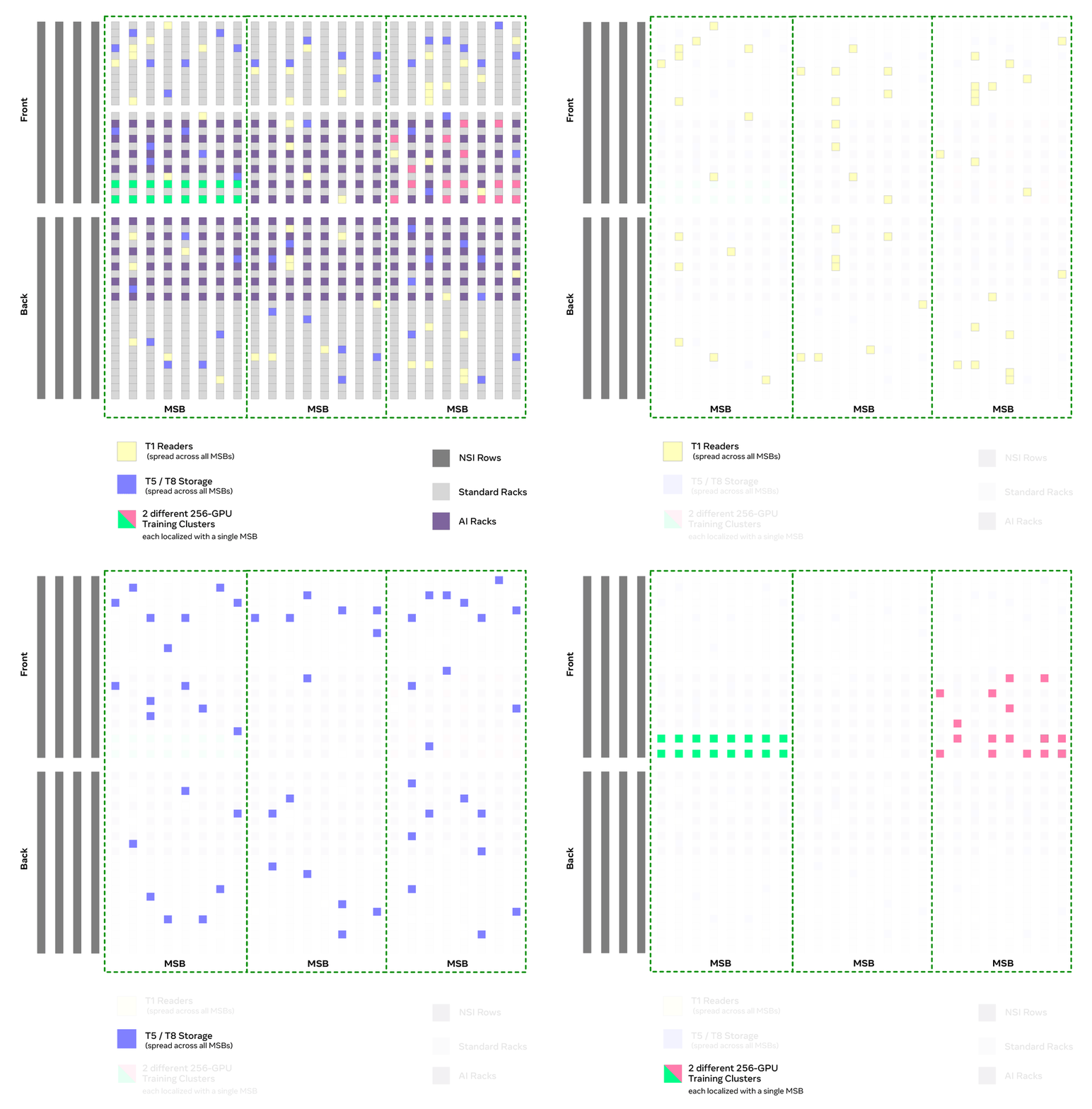
Over the past 21 years, Meta has grown exponentially from a small social network connecting a few thousand people in a handful of universities in the U.S. into several apps and novel hardware products that serve over 3.4 billion people throughout the world. Our infrastructure has evolved significantly over the years, growing from a [...] Read More... The post Meta’s…
26 Sept 2025
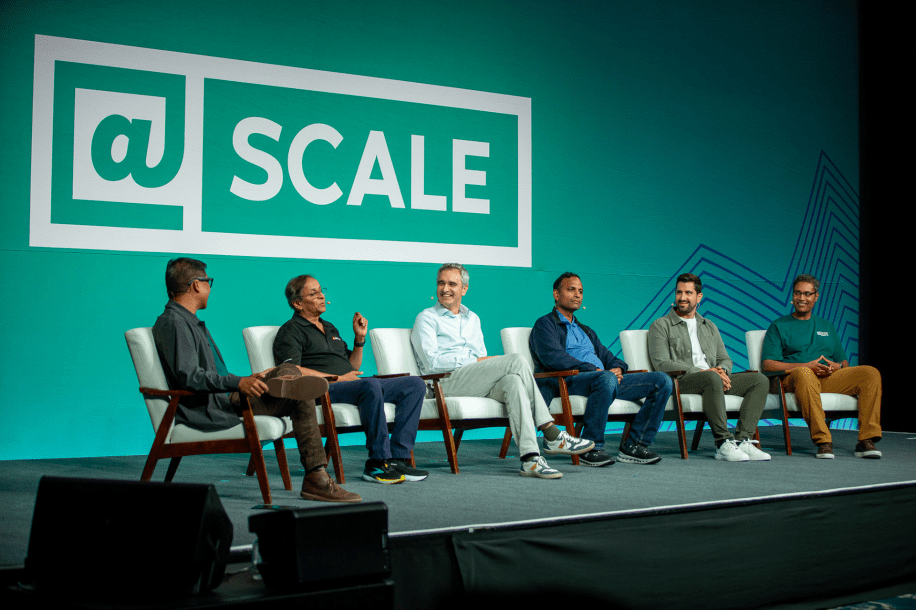
AI is everywhere and, as network engineers, we are right in the thick of it: building the network infrastructure for AI. This year, at our largest @Scale:Networking ever, engineers from Meta, ByteDance, Google, Microsoft, Oracle, AMD, Broadcom, Cisco, and NVIDIA came together to share our latest experiences in architecting, designing, operating, and debugging our AI [...] Read More... The post…
2 Sept 2025

We’re sharing how Meta is applying machine learning (ML) and diversity algorithms to improve notification quality and user experience. We’ve introduced a diversity-aware notification ranking framework to reduce uniformity and deliver a more varied and engaging mix of notifications. This new framework reduces the volume of notifications and drives higher engagement rates through more diverse [...] Read More... The post…
11 Aug 2025
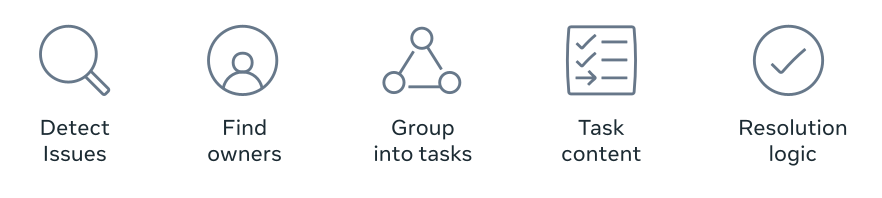
Federation Platform and Privacy Waves: How Meta distributes compliance-related tasks at scale
FacebookWe’re exploring Meta’s Federation Platform, a scalable set of tools for managing compliance-related tasks, along with Privacy Waves, our method for batching these tasks and ensuring accountability. Together, the Federation Platform and Privacy Waves create a structured, effective, and sustainable approach to operationalizing privacy work, enabling Meta to safeguard user data for the billions of [...] Read More... The post…
6 Aug 2025
The state of the research Diff Risk Score (DRS) is an AI-powered technology built at Meta that predicts the likelihood of a code change causing a production incident, also known as a SEV. Built on a fine-tuned Llama LLM, DRS evaluates code changes and metadata to produce a risk score and highlight potentially risky code [...] Read More... The post…
4 Aug 2025
What if you could control any device using only subtle hand movements? New research from Meta’s Reality Labs is pointing even more firmly toward wrist-worn devices using surface electromyography (sEMG) becoming the future of human-computer interaction. But how do you develop a wrist-worn input device that works for everyone? Generalization has been one of the [...] Read More... The post…
8 May 2025
Meta and NVIDIA collaborated to accelerate vector search on GPUs by integrating NVIDIA cuVS into Faiss v1.10, Meta’s open source library for similarity search. This new implementation of cuVS will be more performant than classic GPU-accelerated search in some areas. For inverted file (IVF) indexing, NVIDIA cuVS outperforms classical GPU-accelerated IVF build times by up [...] Read More... The post…
4 Mar 2025
Multimodal AI – models capable of processing multiple different types of inputs like speech, text, and images – have been transforming user experiences in the wearables space. With our Ray-Ban Meta glasses, multimodal AI helps the glasses see what the wearer is seeing. This means anyone wearing Ray-Ban Meta glasses can ask them questions about [...] Read More... The post…
5 Feb 2025
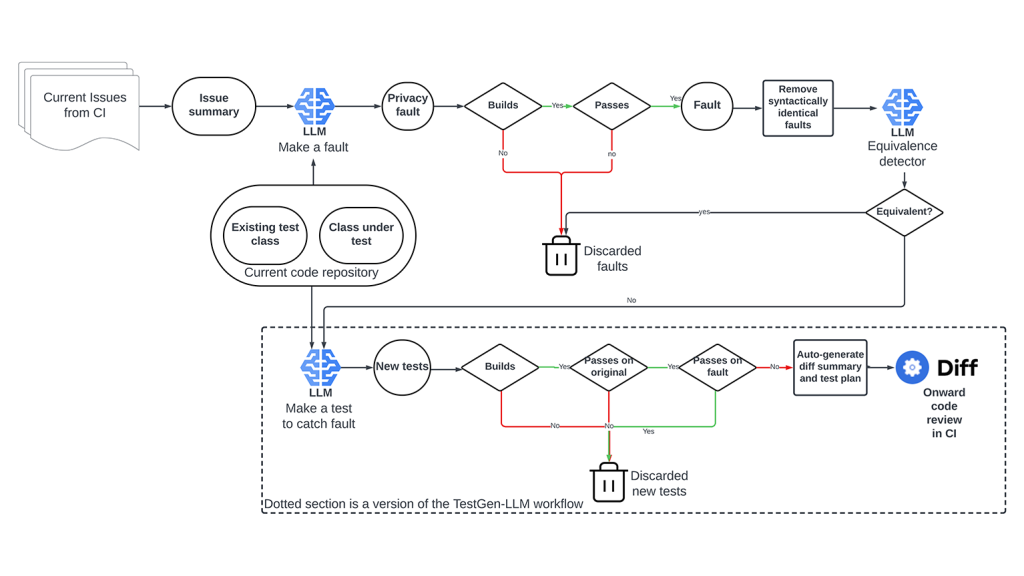
WHAT IT IS Meta’s Automated Compliance Hardening (ACH) tool is a system for mutation-guided, LLM-based test generation. ACH hardens platforms against regressions by generating undetected faults (mutants) in source code that are specific to a given area of concern and using those same mutants to generate tests. When applied to privacy, for example, ACH automates [...] Read More... The post…