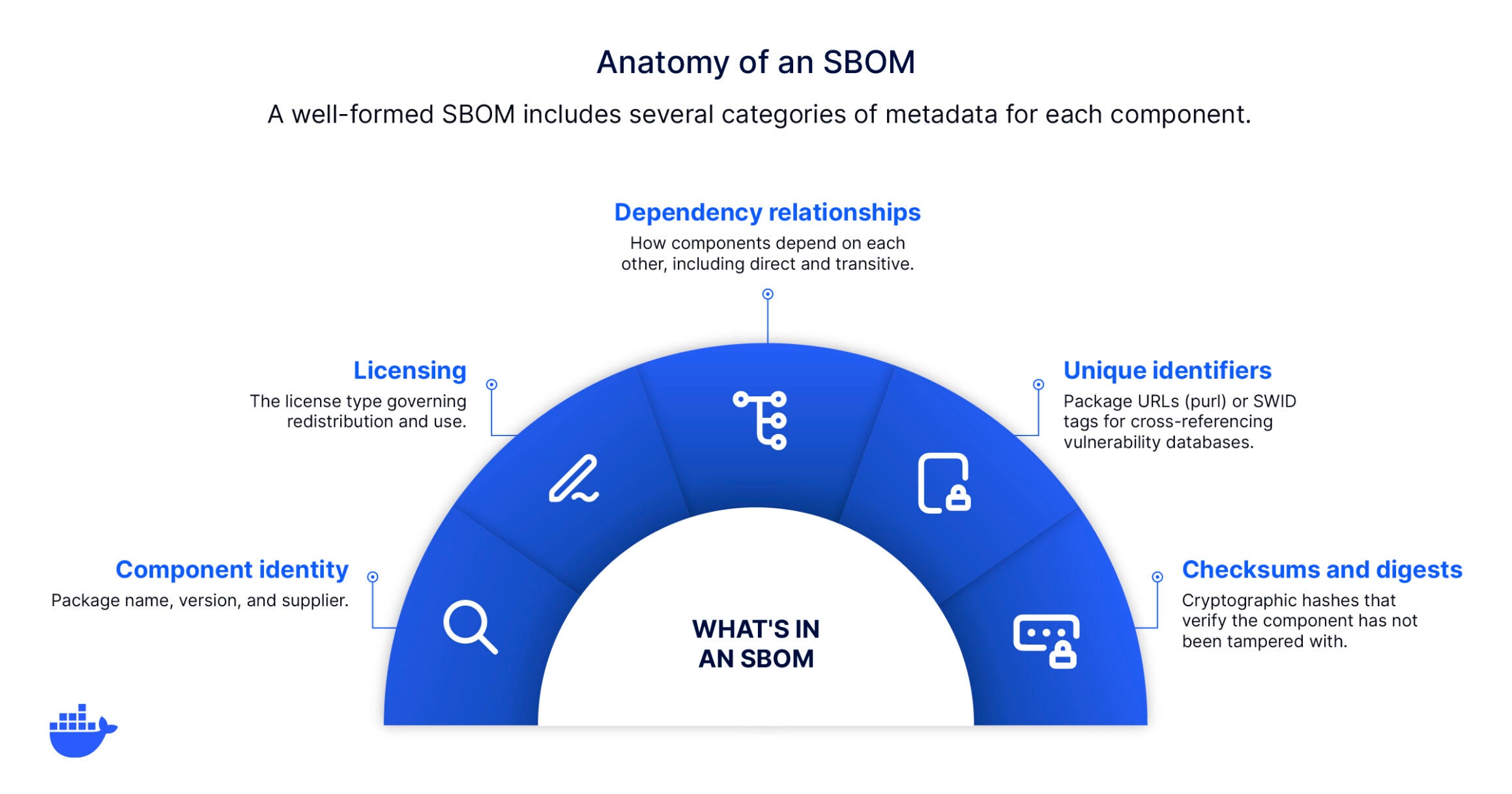
In Omdia's 2026 software supply chain security report, 73% of organizations that generate SBOMs say they enable more efficient vulnerability mitigation, yet 86% still find the generation process challenging. That gap between recognized value and operational difficulty is where most teams are stuck. For teams building and securing containerized applications, understanding what an SBOM is,...
#software supply chain security
7 posts
23 Jun
8 Jun
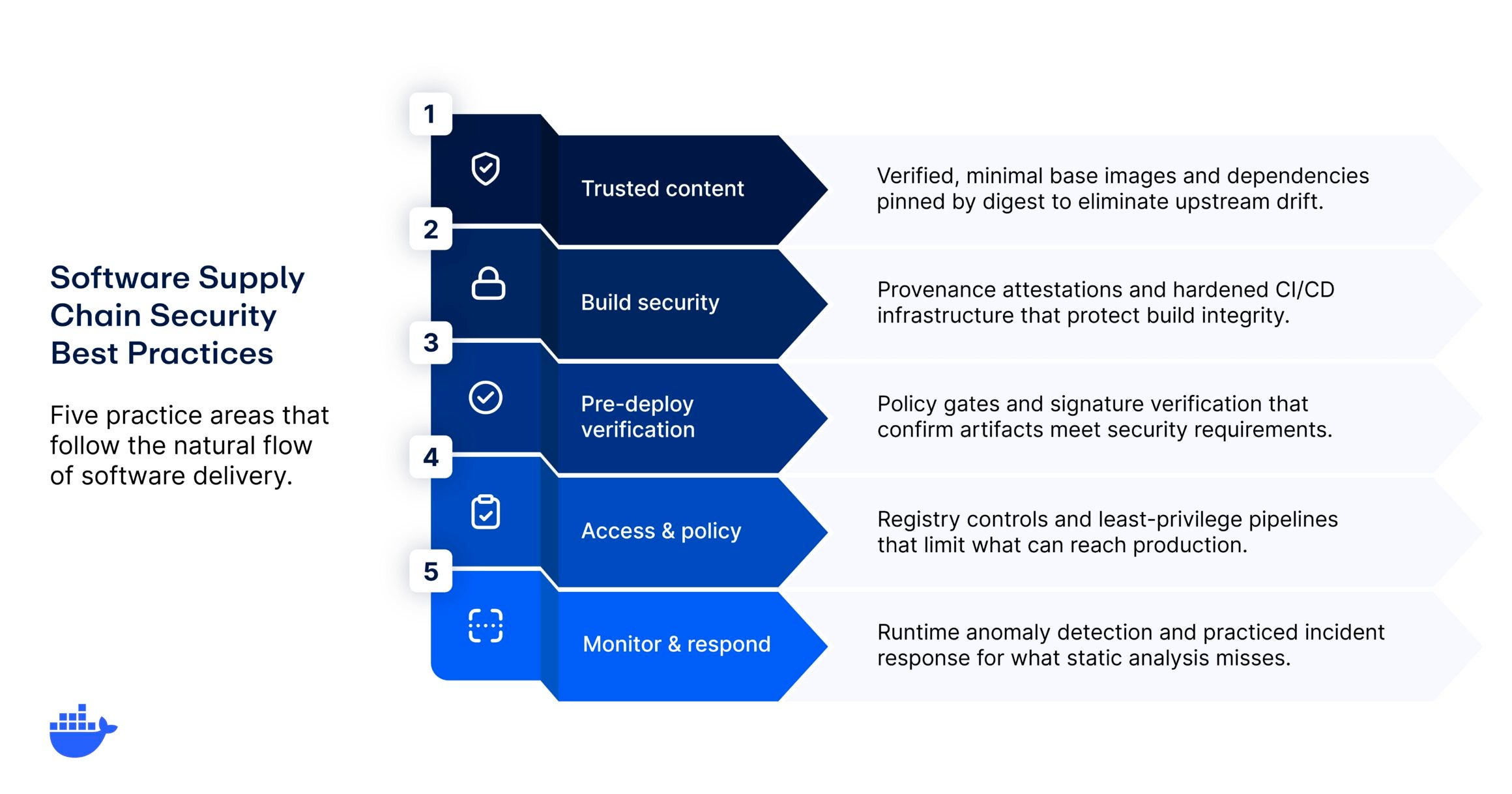
Understanding software supply chain security is one thing. Putting it into practice across a real pipeline, with real deadlines and real constraints, is another. Most organizations recognize that their software supply chain is a growing attack surface, but translating that awareness into concrete, repeatable practices is where the work gets difficult. But why should your...
4 Jun
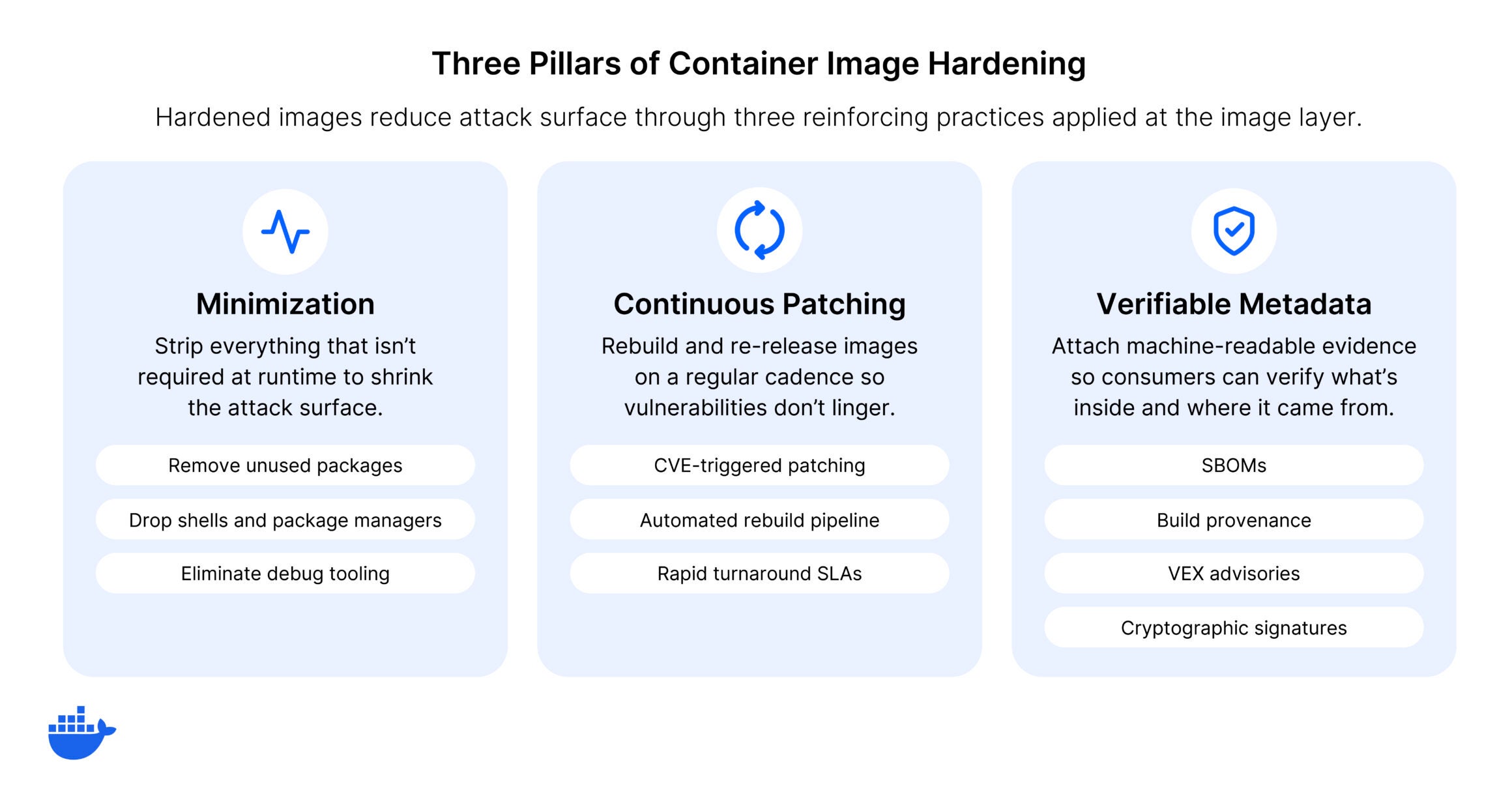
When security teams scan their container environments for the first time, they often discover hundreds of known vulnerabilities, and almost none of them trace back to application code. The overwhelming majority come from packages that shipped with the base image: shells, compilers, debug utilities, and libraries the application never calls. In a software supply chain...
3 Jun
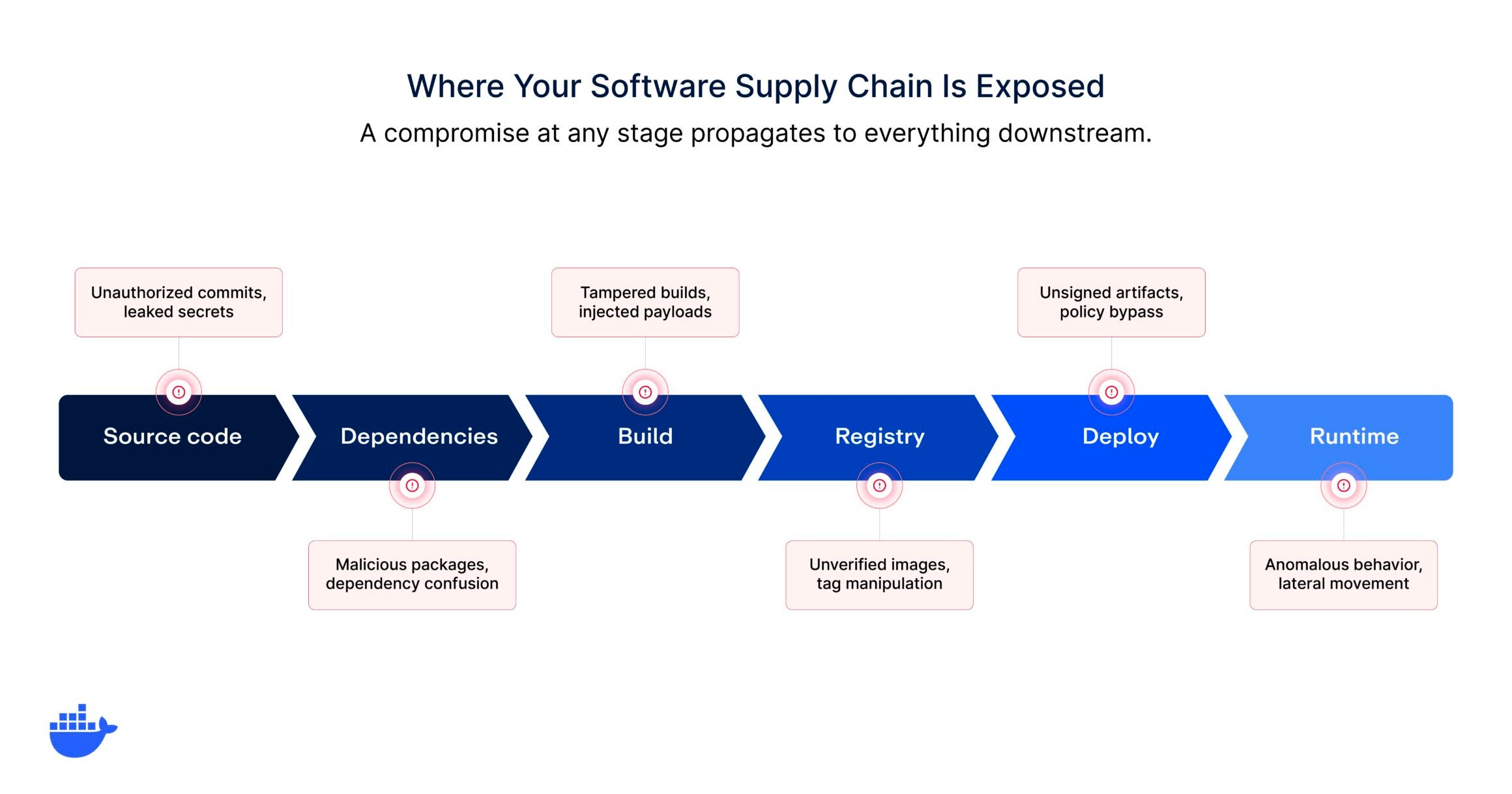
Software supply chain attacks have accelerated faster than most security teams anticipated. Sonatype's 2026 State of the Software Supply Chain report identified more than 454,000 new malicious packages published to open source repositories in 2025, bringing the cumulative total to over 1.2 million since 2019. The blast radius keeps expanding as organizations consume more open...
5 May
The complexity of modern containerized applications often leaves developers drowning in a sea of "noise"—vulnerabilities that exist in the file system but pose zero actual risk to the application. The integration between Black Duck and Docker Hardened Images (DHI) provides a definitive answer to this challenge. By combining Docker’s secure-by-default foundations, using VEX (Vulnerability Exploitability...
8 Apr
We recently announced the integration between Mend.io and Docker Hardened Images (DHI) provides a seamless framework for managing container security. By automatically distinguishing between base image vulnerabilities and application-layer risks, it uses VEX statements to differentiate between exploitable vulnerabilities and non-exploitable vulnerabilities, allowing your team to prioritize what really matters. TL;DR: The Developer Value Proposition...
14 Jan
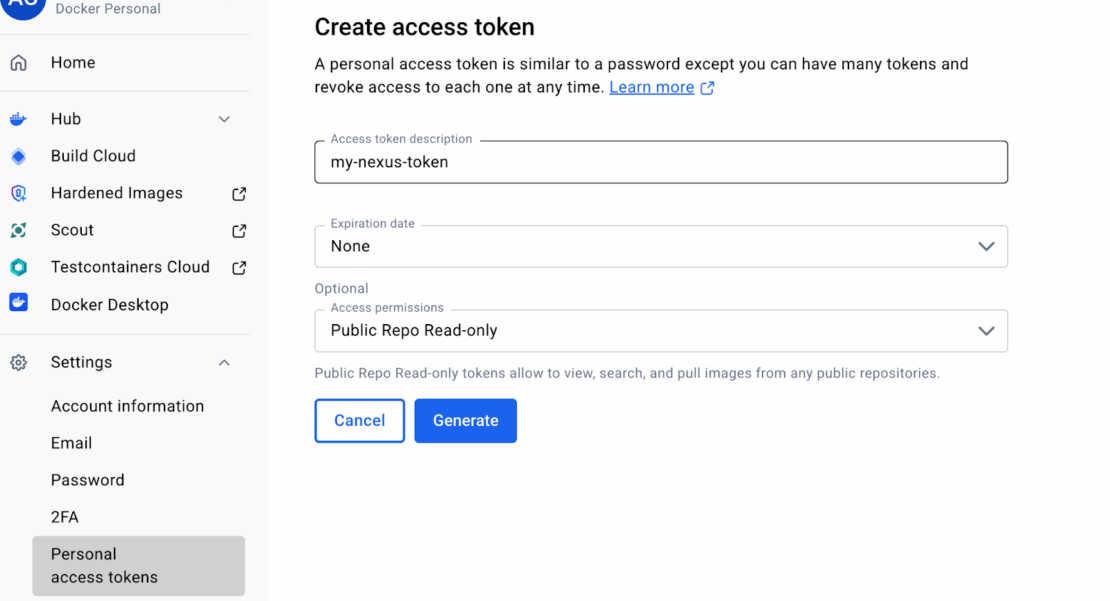
Why a “protected repo”? Modern teams depend on public container images, yet most environments lack a single, auditable control point for what gets pulled and when. This often leads to three operational challenges: Inconsistent or improvised base images that drift across teams and pipelines. Exposure to new CVEs when tags remain unchanged but upstream content...