I’ll admit, I hesitated a bit before writing this post. The whole point of this linuxblog.io and linuxcommunity.io forum is to bring together like-minded Linux users and professionals so we can troubleshoot, share ideas, and learn from one another. Continue reading...
#desktop
9 posts
11 Jun
8 Jun
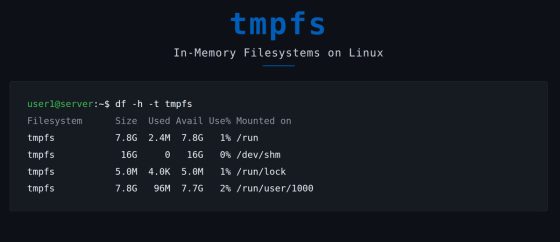
tmpfs lets you mount a filesystem entirely in RAM. Here is how Linux already uses it, how to create your own mounts, and where it actually makes sense to use one. Continue reading...
3 Jun
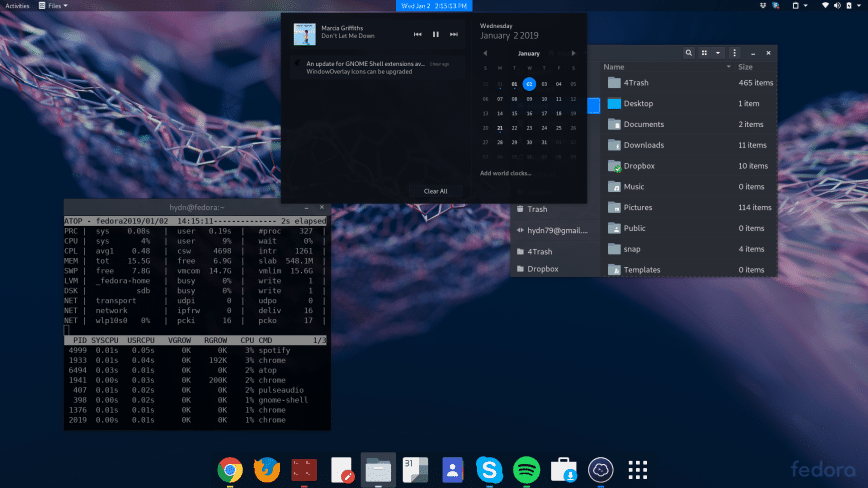
Looking for the best Linux distro (distribution) to enhance your desktop or laptop experience? This article will guide you to what, I believe, are the best Linux distros for beginner, experienced, and expert users. Continue reading...
21 May
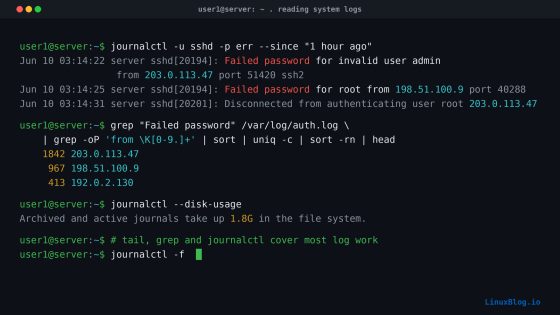
A practical guide to Linux log files: where they live, how to read and search them with tail, grep, and journalctl, how to manage log rotation, and a real-world troubleshooting workflow. Continue reading...
17 May
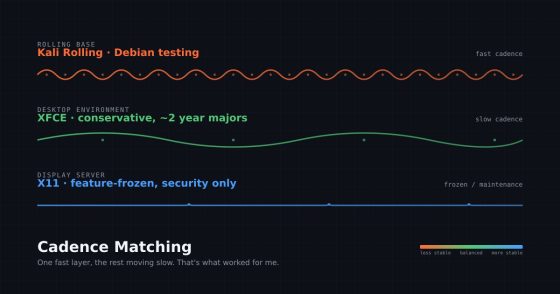
After twenty years on the Linux desktop, more than a dozen distros, multiple desktop environments, a seven-year tiling window manager phase, and one detour through whatever I thought of as the stable answer at the time, I'm finally in a noticeably more comfortable place than ever before. Continue reading...
3 May
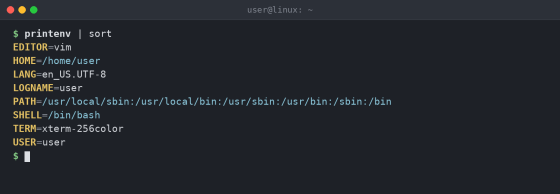
A practical guide to Linux environment variables: how to set, export, persist, and debug them correctly across shell sessions, user accounts, system-wide configs, and systemd services. Continue reading...
24 Apr
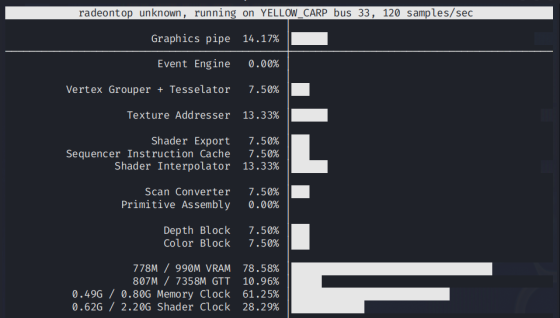
If the Linux desktop and applications on your thin and light laptop or low-end PC feel sluggish under a busy session, the usual suspects are slow storage R/W, not enough RAM, or occasionally a CPU bottleneck. But on machines with integrated graphics, there is a fourth bottleneck most people never check: VRAM. Continue reading...
22 Apr
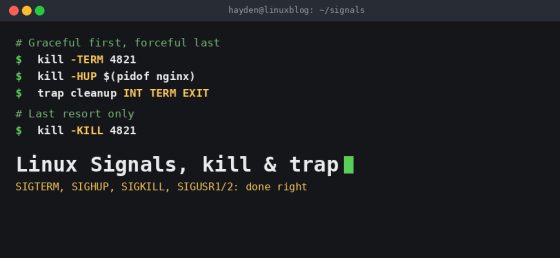
A practical guide to Linux signals: how to use kill, pkill, and trap correctly to manage processes, reload configs, and write scripts that clean up gracefully instead of dying mid-operation. Continue reading...
20 Apr
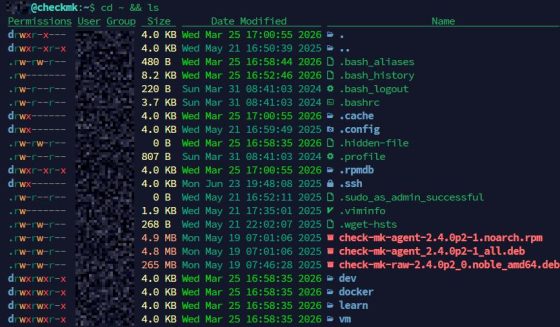
Bash aliases turn long, repetitive commands into short custom shortcuts that load every time you open a terminal. Here's how to set them up, where to store them, and a practical set of aliases built for real sysadmin work. Continue reading...