This weekend I polished up my Arduino Day project and published it to GitHub for Retrochallenge 2017/04. Introducing Arduino6502 https://github.com/davecheney/arduino6502 The repository contains an Arduino sketch that can be loaded on Arduino Mega boards (Arduino Uno’s can be accommodated by lowering the RAMSIZE value). The sketch includes ROM images for AppleSoft Lite and Krusader symbolic […]
#hardware hacking
16 posts
9 Apr 2017
3 Dec 2016
This is a short blog post to reference the slides from my builderscon 2016 presentation. I had a great time at buildercon, the talks were varied and engaging from a wide selection of Japanese makers. I’m grateful to the builderscon organisers for accepting my talk and inviting me to present at the inaugural builderscon conference in […]
30 Jun 2016
Long time readers of this blog will know that when I’m not shilling for the Go language, my hobbies include electronics and retro computing. For me, projects like James Newman’s Megaprocessor, a computer built entirely from discrete components, is about as good as it gets. James has recently finished construction of the Megaprocessor and has started […]
31 Dec 2014
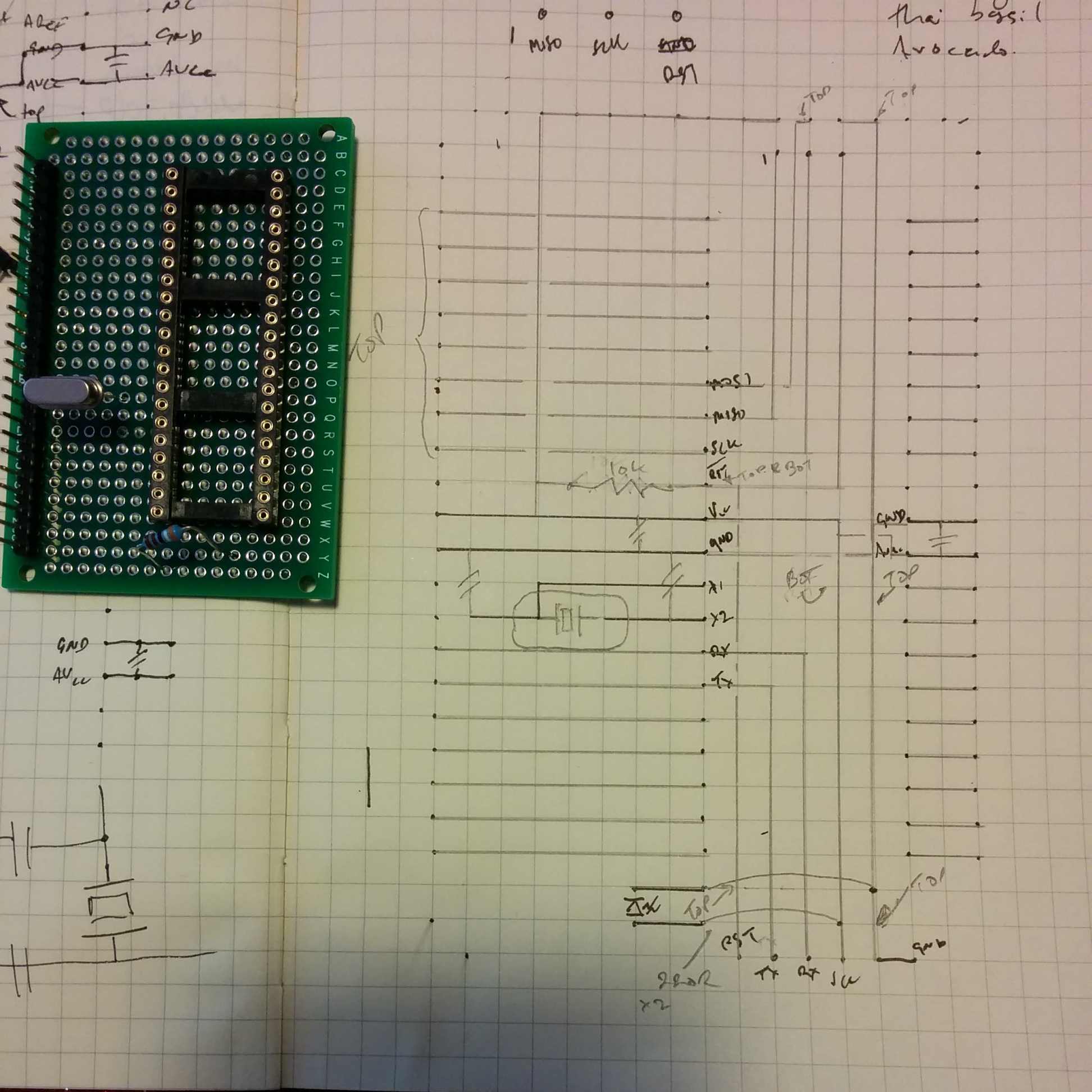
This project was featured on Hackaday and the Atmel blog. For the next step in my Apple 1 replica project I decided I wanted to replace the Arduino Mega board with a bare Atmega MPU with the goal of producing a two chip solution — just the Atmel and the 6502, no glue logic or external support […]
26 Dec 2014
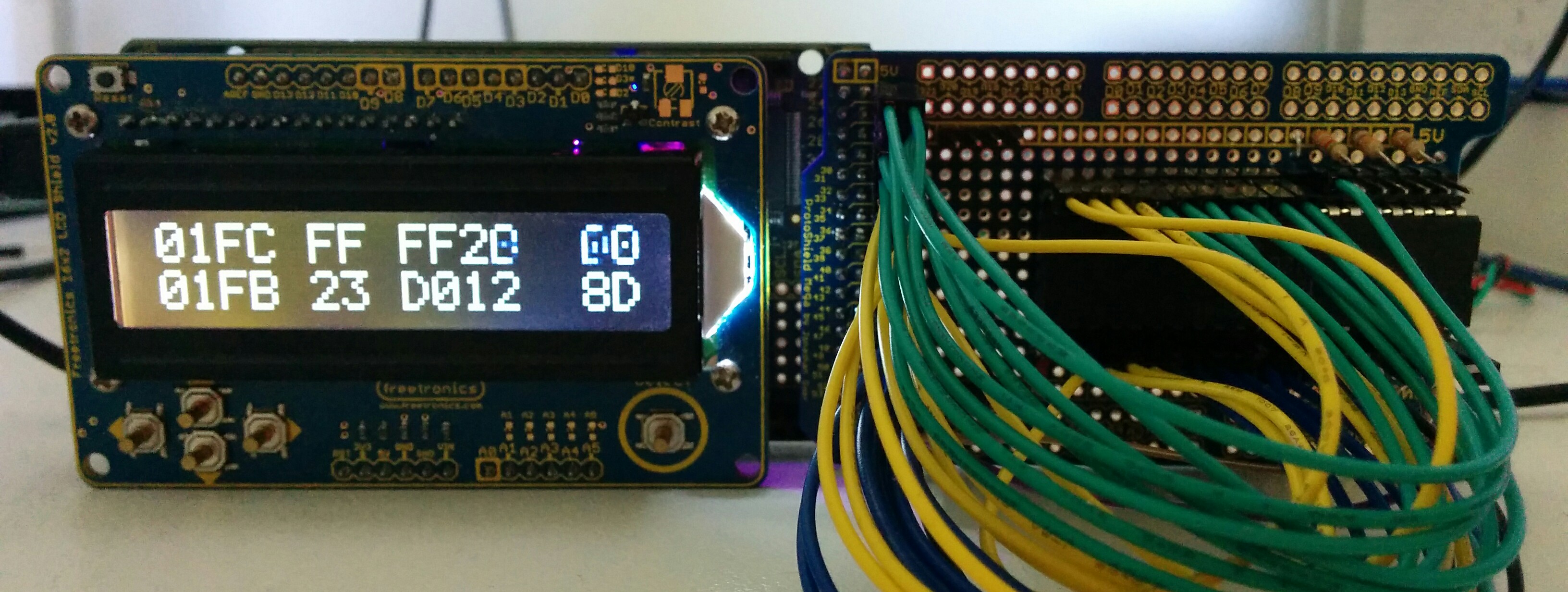
Woot! This project was featured on Hackaday. No Apple 1 under the tree on Christmas Day ? Never mind, with a 6502 and an Arduino Mega 2560 you can make your own. The Apple 1 was essentially a 6502 computer with 4k of RAM and 256 bytes of ROM. The inclusion of a 6821 PIA and a […]
1 Dec 2014
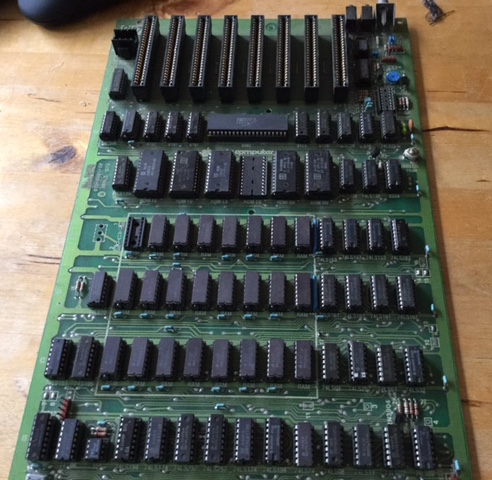
After lurking on the fringes of the hobbyist electronic and retrocomputing communities for a few years I’ve decided to take the plunge and join the RC2015/01 retrochallenge. The task I have assigned myself is to revive this 1981 vintage revision 7 Apple II motherboard which I discovered in a box of parts while visiting my […]
3 Aug 2014
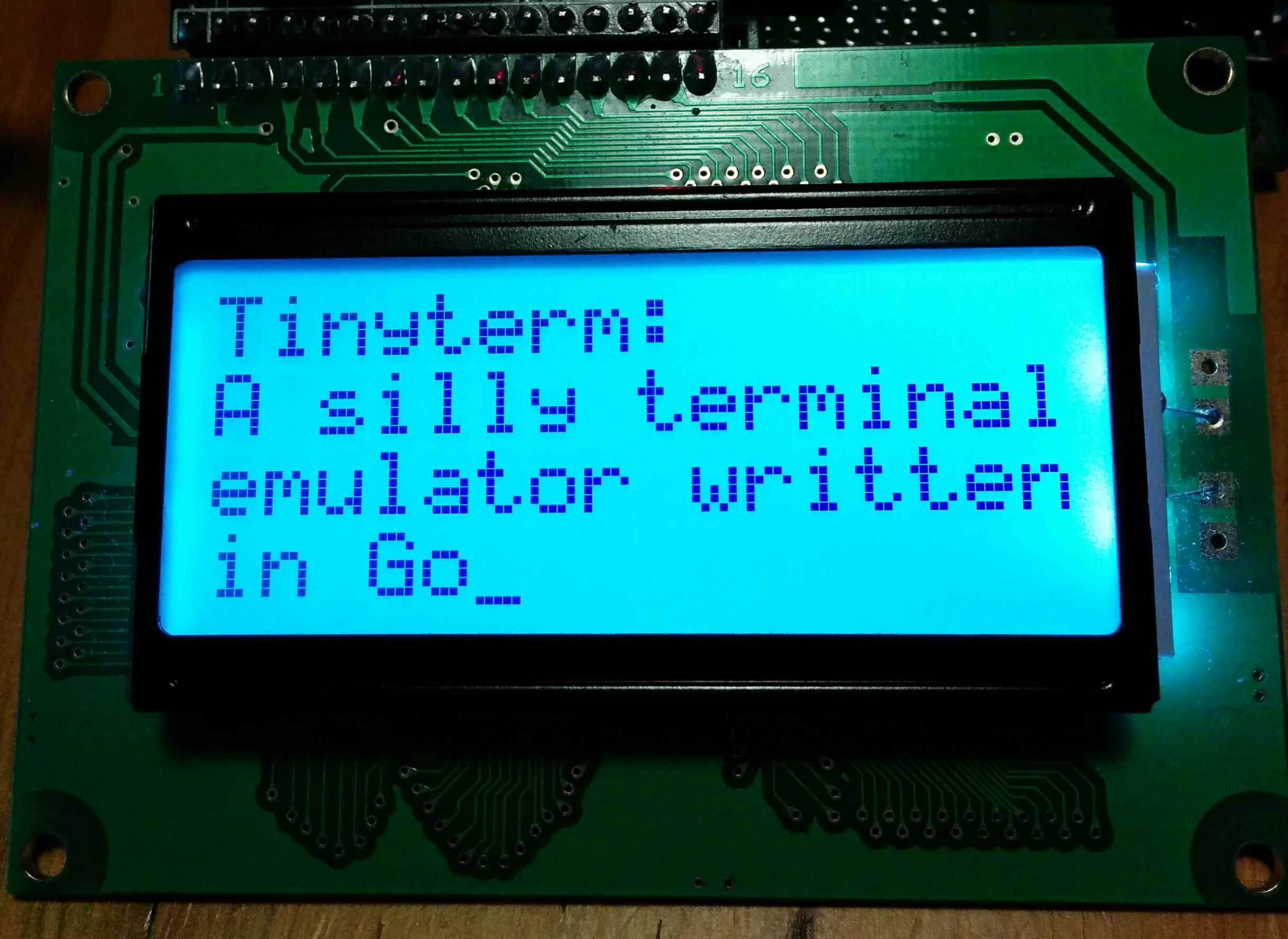
This post is about Tinyterm, a silly hack that I presented as a lightning talk at last month’s Sydney Go User group 1. You can find the original slides online at talks.golang.org. This talk is about a experiment to see if I could drive I2C devices from Go through my laptop’s VGA port. It was […]
13 Jul 2014
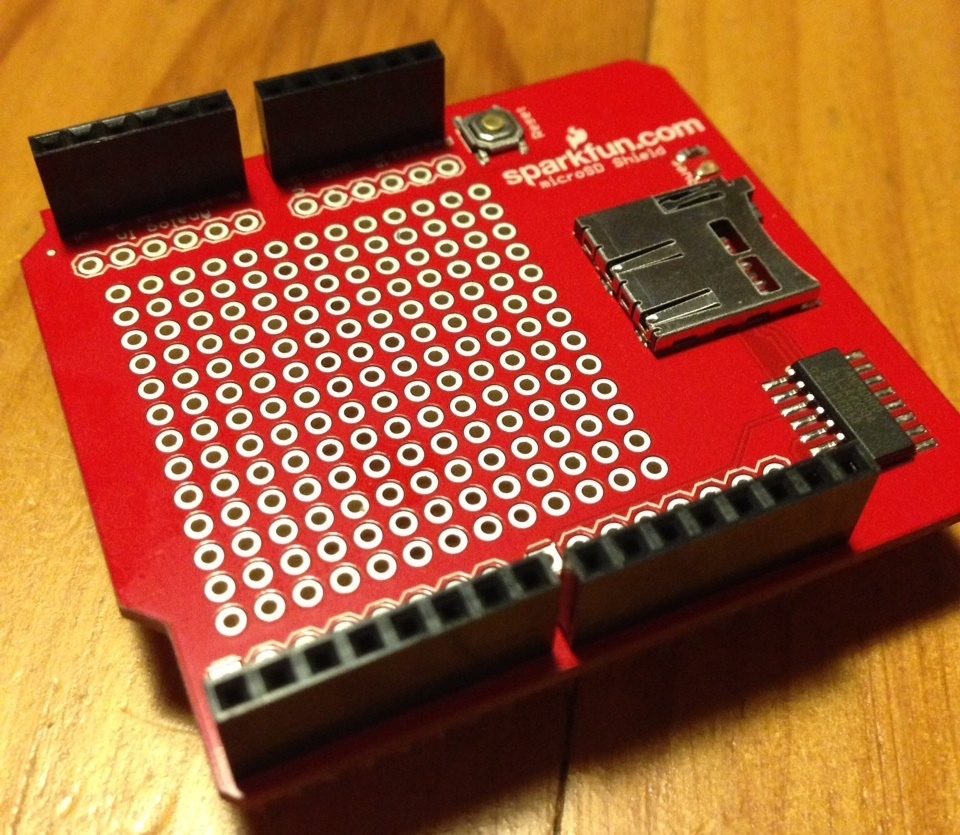
A few months ago I upgraded the hardware my avr11 project ran on from the atmega2560 8bit micro to the SAM3x based Arduino Due. In doing so I lost access to the excellent QuadRAM memory expansion board, and had to find another solution for accessing the micro SD card. For the moment, I’ve decided to go […]
16 Feb 2014
Mea culpa In my first post I said that I believed the simulator performance was 10x slower than a real PDP-11/40, sadly it looks like that estimate was well off by at least another factor of 10. Yup, 100x slower than the machine I tried to simulate. At least. More accurate profiling After my last […]
25 Jan 2014
In my previous post I had figured out that I could capture memory accesses in my simulator and send them elsewhere. In version 1 of the design I (ab)used the onboard mini SD card to simulate the entire address space. This was a very 1950’s solution and came with matching performance. Still, it did give […]
24 Jan 2014
18 bits of core memory In Schmidt’s original javascript simulator, and my port to Go, the 128 kilowords (256 kilobytes) of memory connected to the PDP-11 is modeled using an array. This is a very common technique as most simulators execute on machines that have many more resources than the machines they impersonate. However, when I […]
23 Jan 2014
Introduction It all started with Javascript. In April of 2011 Julius Schmidt wrote a PDP-11 emulator that ran in a browser. I thought that this was one of the most amazing thing I had ever seen. Late last year I ran across the link again in my Pocket backlog and spent a little time poking […]
5 Jan 2014
This post talks about how I connected my Raspberry Pi to a WYSE 60 terminal. Voltages The terminal speaks RS232 level, +/- 12v, but the Pi speaks 3.3v TTL levels so some sort of converter is needed to adapt the signalling levels. A logic level converter won’t work as RS232 signalling needs negative voltages as […]
20 Oct 2013
This is a quick post explaining how to install Ubuntu 12.04 on your Udoo Quad board (I’m sure the instructions can be easily adapted to the Dual unit as well). The Udoo folks have made available two distributions, Linaro Ubuntu 11.10 and Android 4.22. The supplied Linaro distribution is very good, running what looks like […]
22 Sept 2013
Introduction I recently purchased a Beaglebone Black (BBB) as a replacement for a Raspberry Pi which was providing the freebsd/arm builder for the Go build dashboard. Sadly the old RPi didn’t work out. I’m hoping the BBB will be a better match, faster, and more reliable. The BBB is a substantial upgrade to the original […]
6 Aug 2013
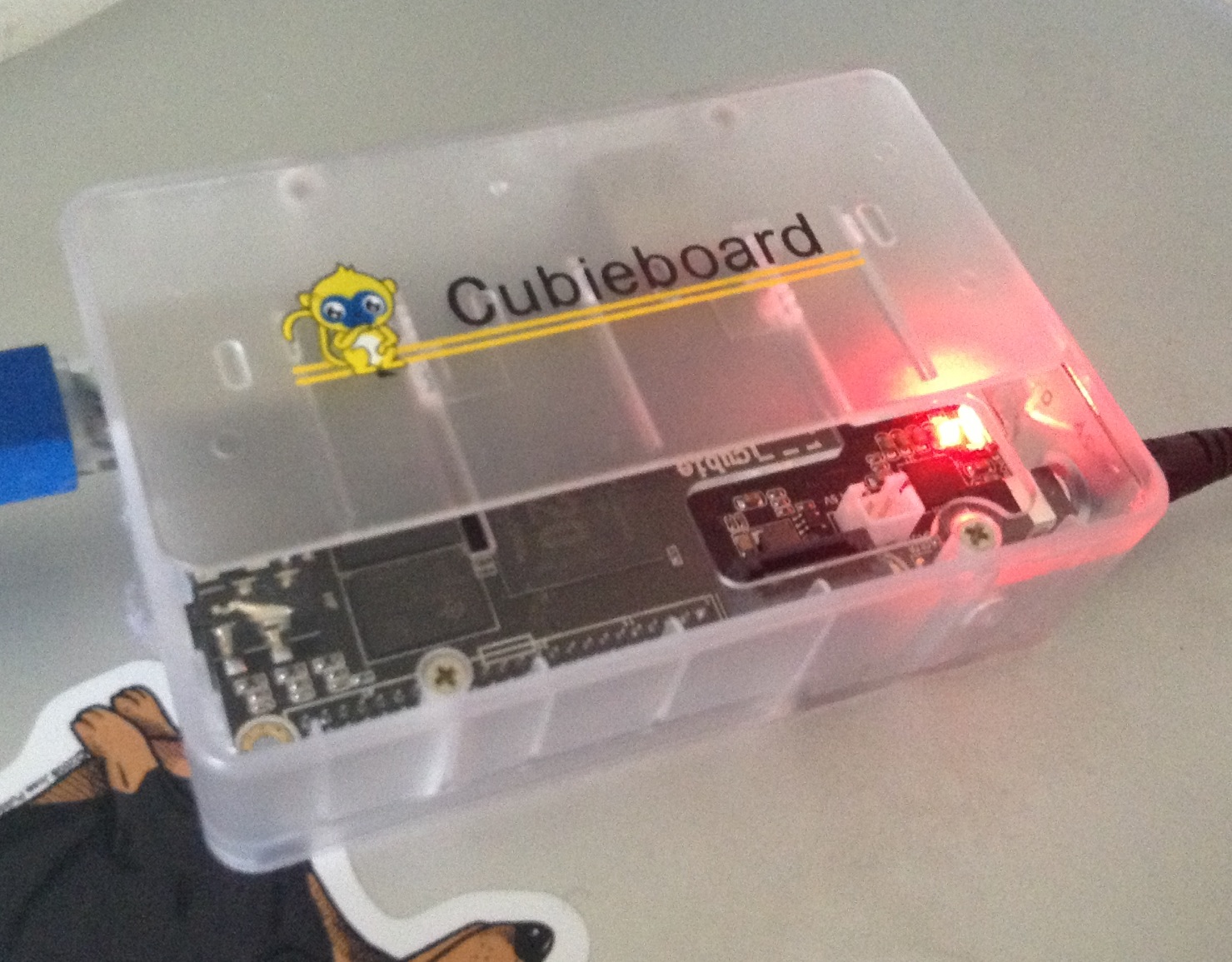
Thanks to Little Bird Electronics I just picked up the recently released Cubieboard 2. For less than 90 bucks Australian you get the case, 4Gb of onboard NAND flash, a USB to serial adapter, USB to power adapter (althought you should use a real wall wart), and an adapter for the onboard SATA port which […]