Most of your code is private, internal, proprietary, and will never be exposed to public. If that’s the case, you can relax – you can refactor all of your mistakes, including those that incur breaking API changes. If you’re maintining public API, however, that’s not the case. If you’re maintaining public SPI (Service Provider Interfaces), … Continue reading Do Not…
#spi
4 posts
21 May 2015
13 Jul 2014
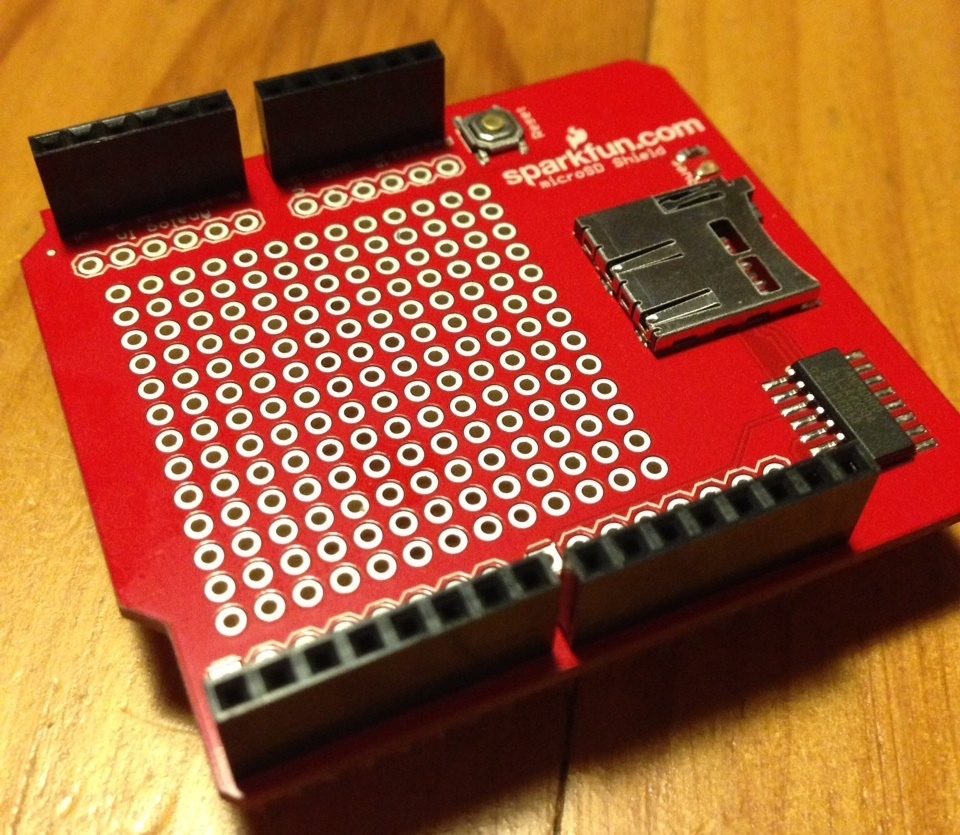
A few months ago I upgraded the hardware my avr11 project ran on from the atmega2560 8bit micro to the SAM3x based Arduino Due. In doing so I lost access to the excellent QuadRAM memory expansion board, and had to find another solution for accessing the micro SD card. For the moment, I’ve decided to go […]
25 Jan 2014
In my previous post I had figured out that I could capture memory accesses in my simulator and send them elsewhere. In version 1 of the design I (ab)used the onboard mini SD card to simulate the entire address space. This was a very 1950’s solution and came with matching performance. Still, it did give […]
24 Jan 2014
18 bits of core memory In Schmidt’s original javascript simulator, and my port to Go, the 128 kilowords (256 kilobytes) of memory connected to the PDP-11 is modeled using an array. This is a very common technique as most simulators execute on machines that have many more resources than the machines they impersonate. However, when I […]