Modern applications, especially those leveraging AI and data-heavy libraries, need more room to breathe. To support these evolving stacks and reduce developer friction, we’ve increased the default maximum compressed slug size from 500MB to 1GB. Understanding app slugs and deployment App slugs are the container build artifacts produced by Heroku Buildpacks and run in dynos. […] The post Bigger Slugs…
#buildpacks
18 posts
19 Mar
17 Mar
Most developers never see the 11 pack releases we shipped in the last 14 months as pack CLI maintainers. That’s actually a good sign—it means the infrastructure just works. When a critical vulnerability emerges requiring an immediate upgrade, the fix is shipped within days. Here’s what most developers don’t see: that same security patch now […] The post Behind the…
11 Nov 2025
It’s that time of year for .NET when we get a new major version and a bunch of exciting features. .NET Conf 2025 kicked off earlier today, bringing with it the release of .NET 10, as well as ASP.NET Core 10, C# 14, and F# 10. Congrats (and a big thank you) to the .NET […] The post Heroku Support…
9 Jul 2025
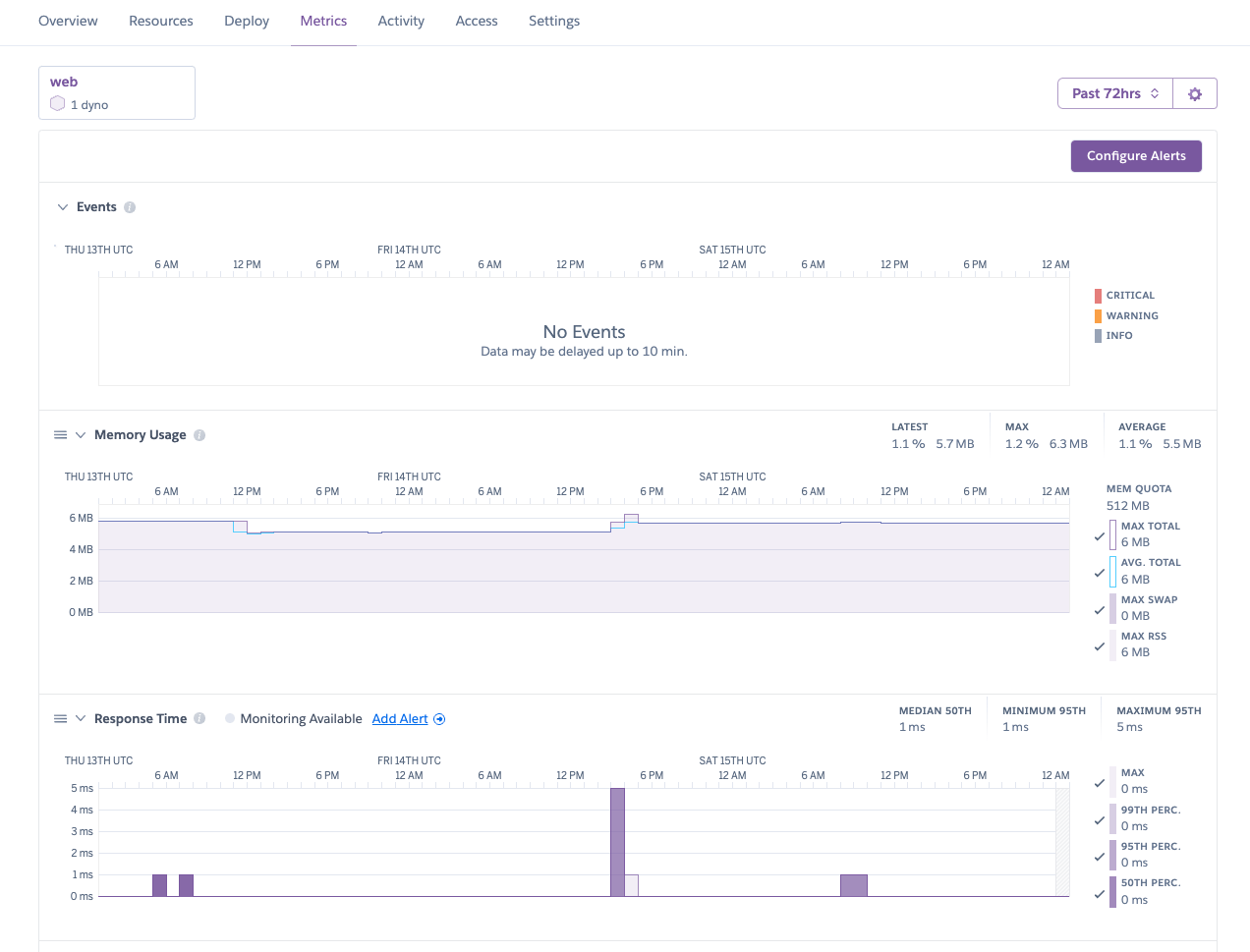
Modern cloud-native architectures are composed of multiple microservices running across dynamic environments. Effectively diagnosing performance issues, bottlenecks, or failures requires comprehensive observability. For this, many organizations look to OpenTelemetry, which provides a standardized approach to capturing and analyzing telemetry data. Fir is Heroku’s next generation cloud platform, designed to offer more modern cloud-native capabilities with […] The post OpenTelemetry, Kubernetes,…
2 Apr 2025
It’s never been a more exciting time to be a .NET developer. With .NET (formerly known as .NET Core) approaching its 10-year anniversary this November, the platform has evolved into a powerful, cross-platform ecosystem, embracing modern development practices and powering a vast array of applications. Today, we’re thrilled to announce that .NET support on Heroku, […] The post .NET on…
24 Mar 2025

Heroku’s commitment to developer productivity shines through in its powerful buildpack system. They handle the heavy lifting of building your app, letting you focus on what matters most: writing code. A prime example is the Heroku Java buildpack, a versatile tool that simplifies deploying Java applications, especially those built with popular frameworks like Spring Boot, […] The post Simplifying JVM…
3 Dec 2024
We’re excited to announce that official support for .NET on Heroku is entering public beta starting today. Developers can now build and deploy applications in C#, F#, and Visual Basic, using frameworks like ASP.NET Core and Blazor, all with the simplicity and flexibility of the Heroku platform. .NET has long been one of the most […] The post .NET Support…
30 Sept 2024
As maintainers of the open source framework Electron, we try to be diligent about the work we take on. Apps like Visual Studio Code, Slack, Notion, or 1Password are built on top of Electron and make use of our unique mix of native code and web technologies to make their users happy. That requires focus: […] The post Electron on…
27 Jun 2024

Heroku is joining the CNCF at the platinum level, upgrading the long-held CNCF Salesforce membership. This marks my third time serving on the CNCF board for different companies, and I’m excited to participate again. Joining the CNCF at the Platinum level signifies a major commitment, reflecting Heroku’s dedication to the evolving landscape. My three board […] The post Heroku Joins…
19 Mar 2024

At Heroku, we believe the best choices are the ones you don’t have to make. That’s why we’re thrilled to announce the preview release of Heroku Cloud Native Buildpacks. Our Cloud Native Buildpack (CNB) offering brings the beloved Heroku language and framework experience to your local machine and beyond. Whether you’re coding in Ruby, Node.js, […] The post Heroku Cloud…
22 Jul 2020

YAML files dominate configuration in the cloud-native ecosystem. They’re used by Kubernetes, Helm, Tekton, and many other projects to define custom configurations and workflows. But YAML has its oddities, which is why the Cloud Native Buildpacks project chose TOML as its primary configuration format. What is TOML? TOML stands for Tom’s Obvious, Minimal Language. It’s […] The post Ground Control…
3 Apr 2019

When we open-sourced buildpacks nearly seven years ago, we knew they would simplify the application deployment process. After a developer runs git push heroku master, a buildpack ensures the application’s dependencies and compilation steps are taken care of as part of the deploy. As previously announced, we’ve taken the same philosophies that made buildpacks so […] The post Turn Your…
13 Nov 2018

Last October, we announced the ability for you to deploy pre-built Docker images to Heroku via Container Registry. Today, building Docker images with heroku.yml is generally available; you can now: Use git push heroku master to build your Docker images on Heroku Take advantage of review apps in Docker-based projects For most teams, using containers […] The post Building Docker…
4 Oct 2018
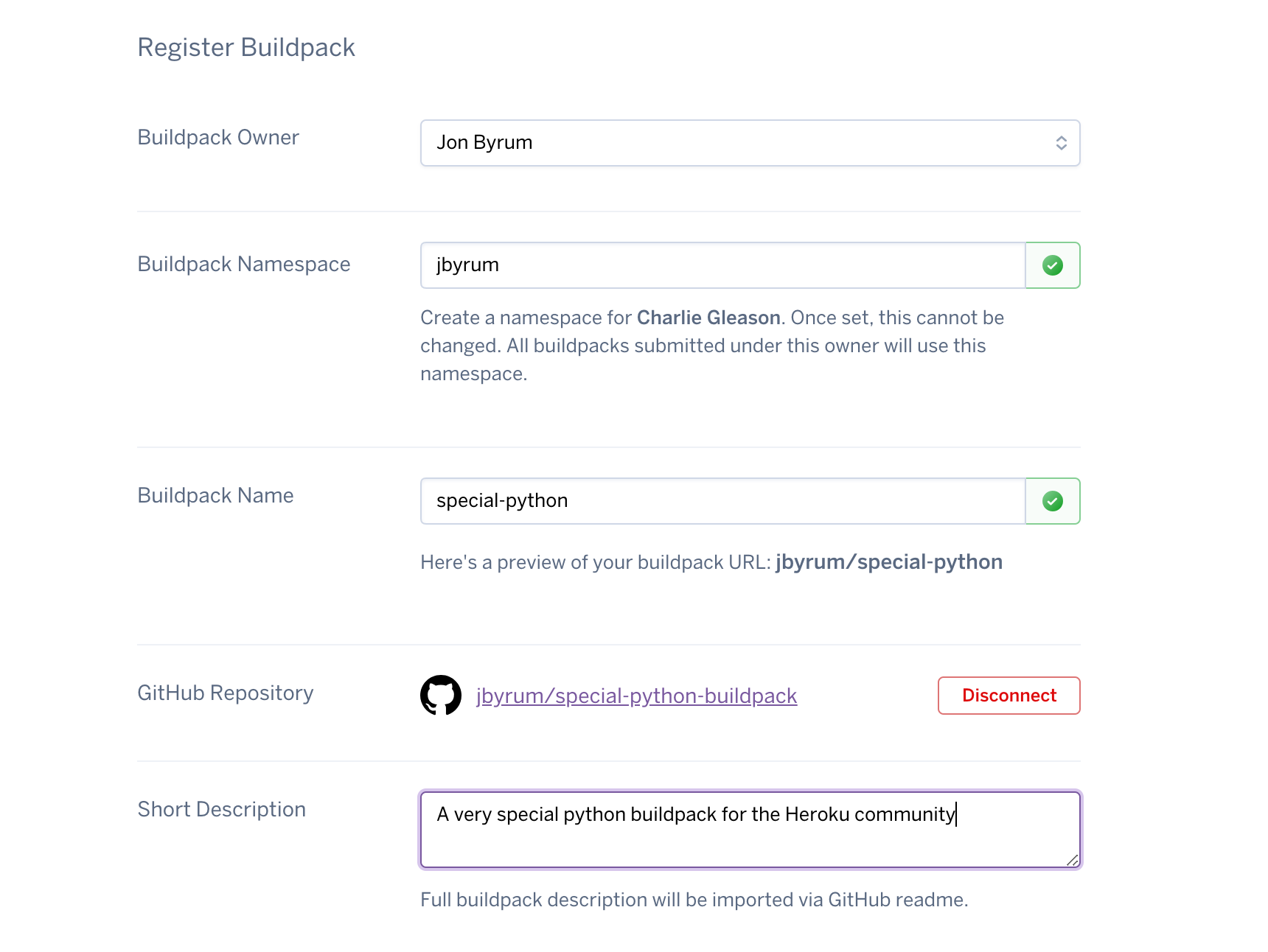
Yesterday we announced a major step towards making buildpacks a multi-platform, open standard by contributing to Cloud Native Buildpacks, a Sandbox Project hosted by the Cloud Native Computing Foundation. Today, we are announcing that you can now easily share your buildpacks with the world, by registering them with the Heroku Buildpack Registry. As of this […] The post Heroku Buildpack…
3 Oct 2018
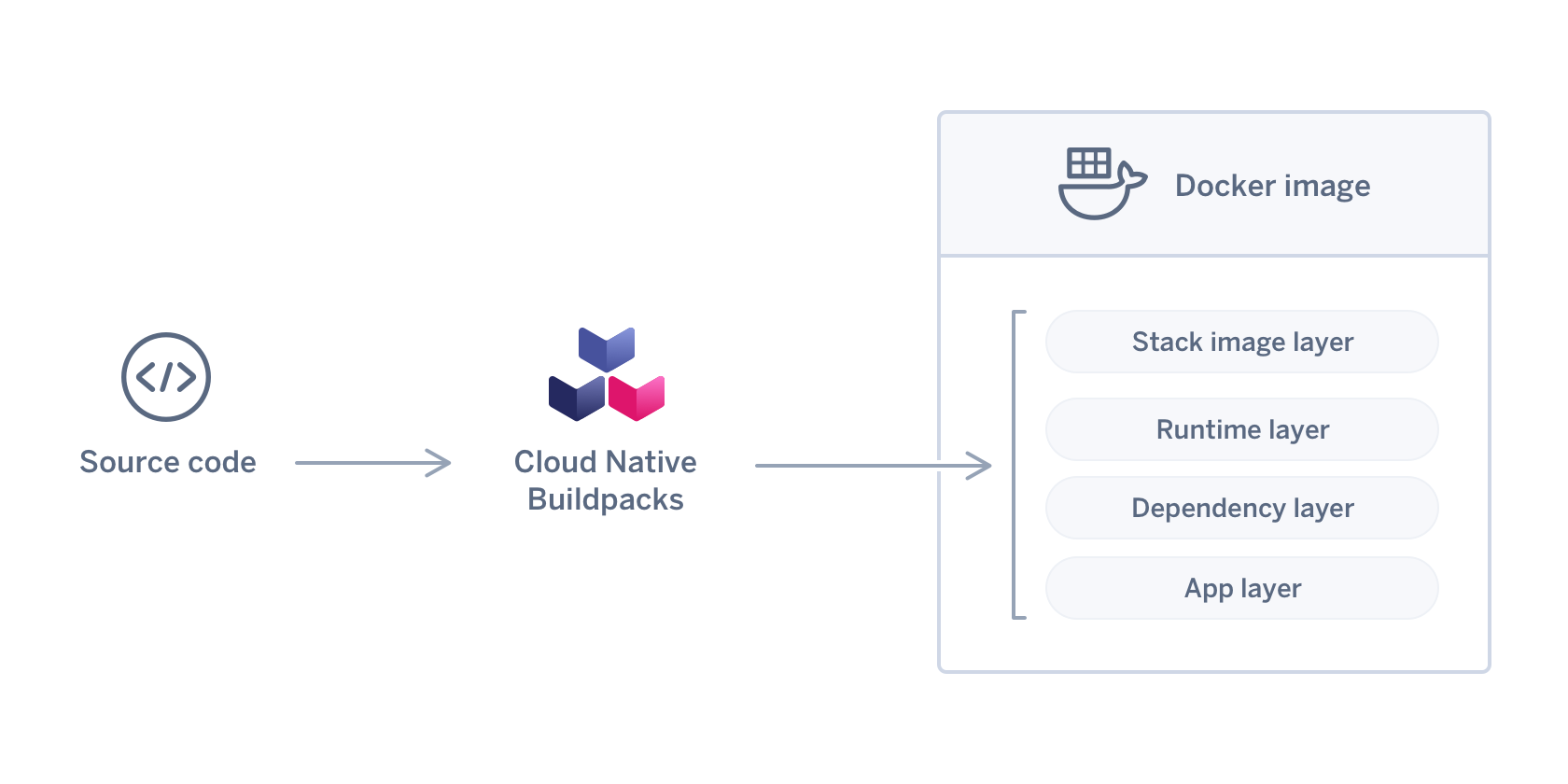
Your Heroku application’s journey to production begins with a buildpack that detects what kind of app you have, what tools you need to run, and how to tune your app for peak performance. In this way, buildpacks reduce your operational burden and let you to spend more time creating value for your customers. That’s why […] The post Buildpacks Go…
16 May 2018
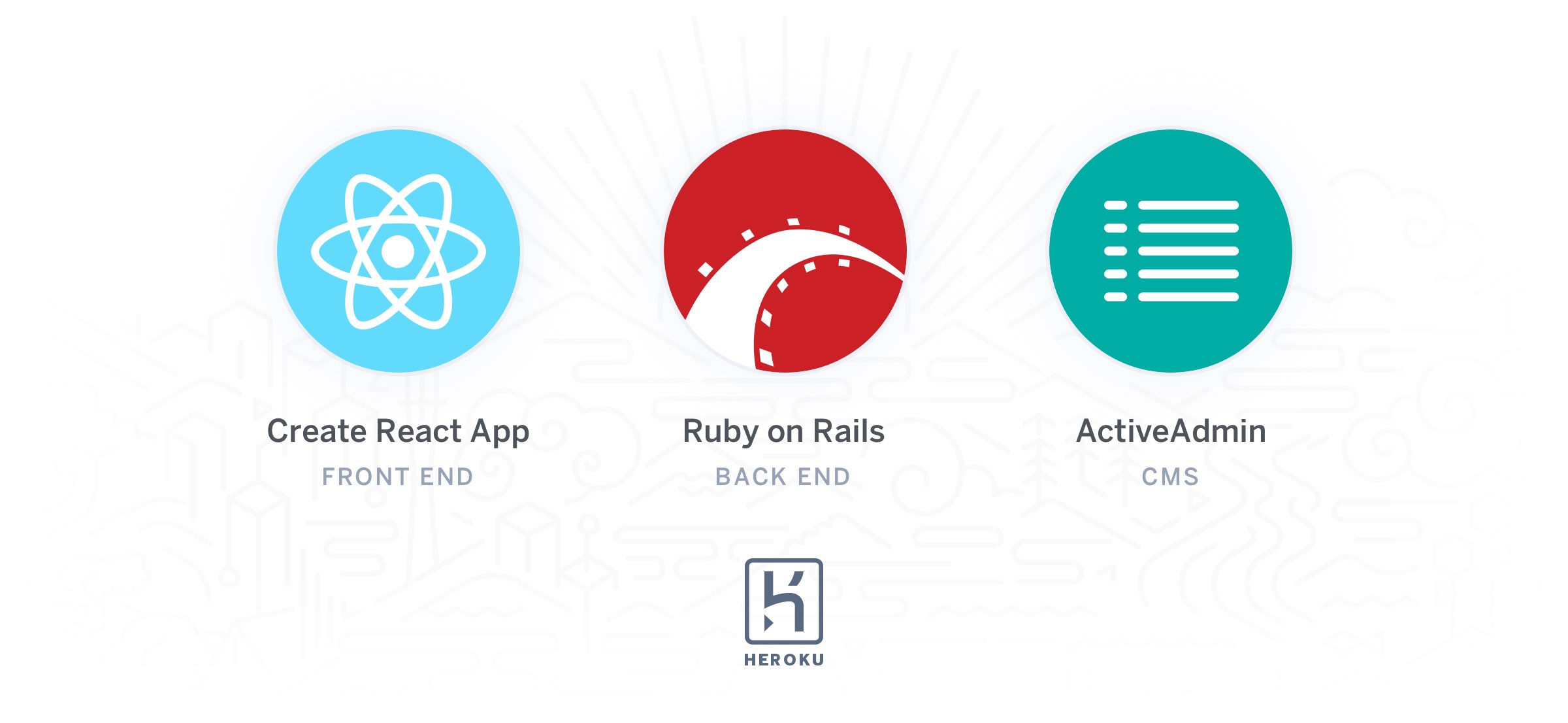
How to blend a rock-solid CMS and API with the absolute best in front-end tooling, built as a single project and hosted seamlessly on Heroku. Rails is an incredible framework, but modern web development has moved to the front-end, meaning sometimes you don’t need all the bulk of the asset pipeline and the templating system. In […] The post Modern…
1 Mar 2018

Observatory by Mozilla helps websites by teaching developers, system administrators, and security professionals how to configure their sites safely and securely. Let's take a look at the scores Observatory gives for a fairly straightforward Static Buildpack app, https://2017.keeprubyweird.com. Test Scores Test Pass Score Explanation Content Security Policy ✗ -25 Content Security Policy (CSP) header not […] The post Using HTTP…
12 Feb 2014

Flow is an important part of software development. The ability to achieve flow during daily work makes software development a uniquely enjoyable profession. Interruptions in your code/test loop make this state harder to achieve. Whether you are running unit tests locally, launching a local webserver, or deploying to Heroku there's always some waiting and some […] The post Git Push…