Ben Nadel demonstrates how to use the "name:" attribute in Docker Compose to collocate all docker assets under the same project umbrella....
#docker
25 posts
11 Jun
23 Apr
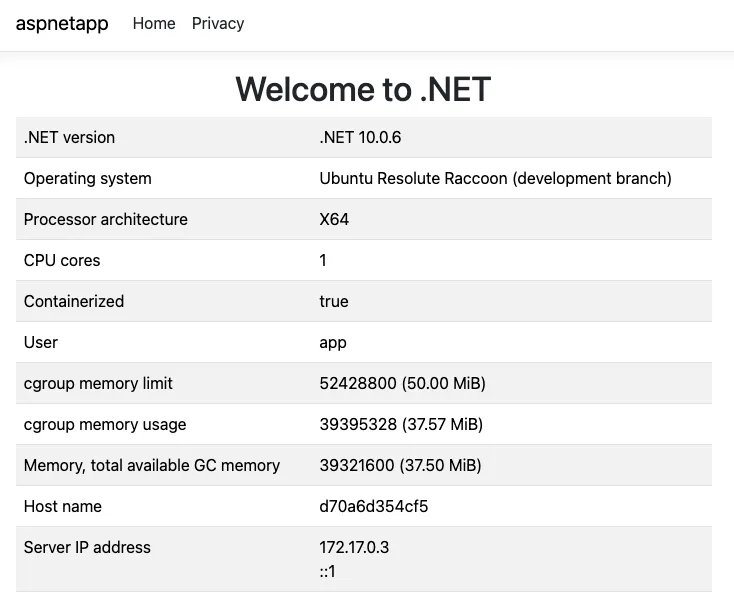
Ubuntu 26.04 (Resolute Raccoon) ships today with .NET 10. Here's how to install .NET 10 from the archive, use the new -resolute container tags, build Native AOT apps, and install .NET 8 and 9 from the dotnet-backports PPA. The post What’s new for .NET in Ubuntu 26.04 appeared first on .NET Blog.
16 Apr
Running and deploying with Kubernetes may sound excessive and intimidating, but it’s not nearly as hard as it once was. The immense popularity of Kubernetes over the past decade means tools can quickly set up and deploy a cluster in almost any environment. And what once was a technology platform requiring deep systems knowledge to […] The post K3s: A…
13 Mar
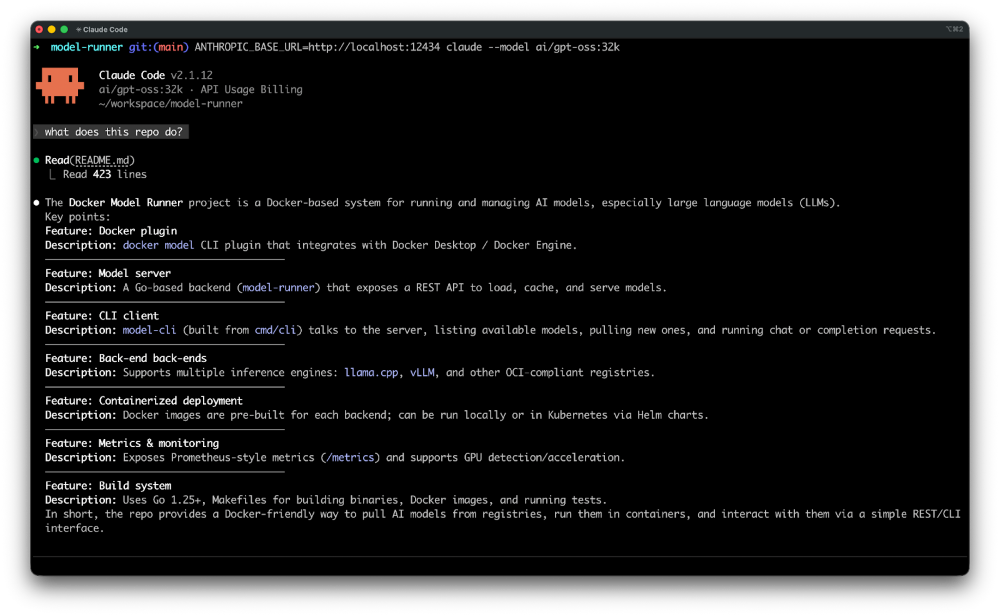
Claude Code is quickly becoming a go-to AI coding assistant for developers and increasingly for non-developers who want to build with code. But to truly unlock its potential, it needs the right local infrastructure, tool access, and security boundaries. In this blog, we’ll show you how to run Claude Code with Docker to gain full...
12 Mar
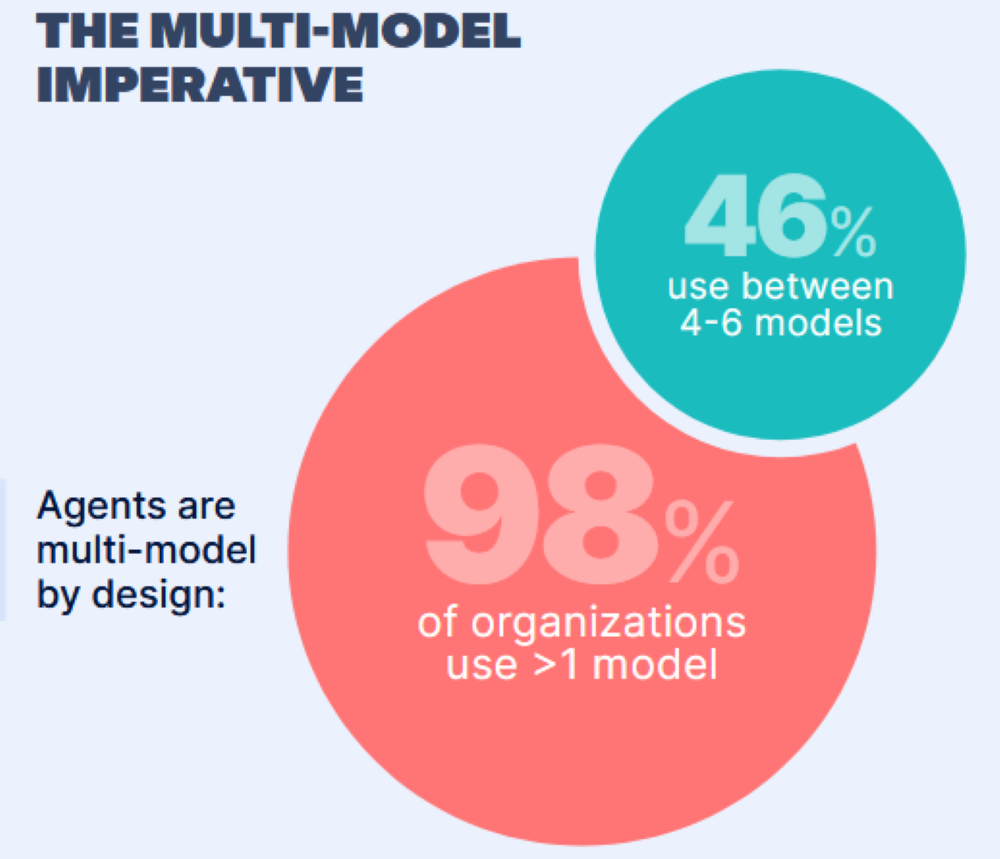
Building agents is now a strategic priority for 95% of respondents in our latest State of Agentic AI research, which surveyed more than 800 developers and decision-makers worldwide. The shift is happening quickly: agent adoption has moved beyond experiments and demos into early operational maturity. But the road to enterprise-scale adoption is still complex. The...
10 Mar
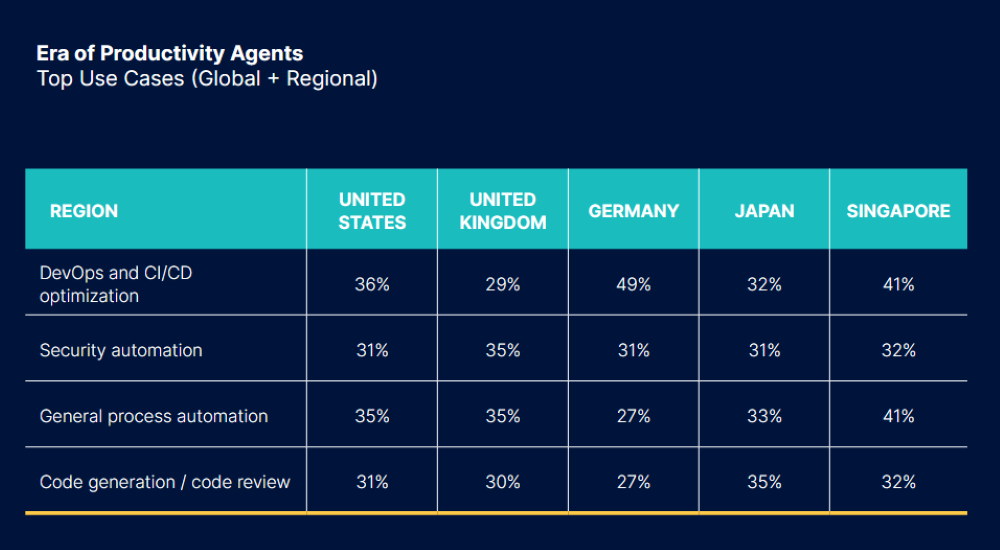
It’s hard to find a team today that isn’t talking about agents. For most organizations, this isn’t a “someday” project anymore. Building agents is a strategic priority for 95% of respondents that we surveyed across the globe with 800+ developers and decision makers in our latest State of Agentic AI research. The shift is happening...
3 Mar
Your Package Manager, Now with a Security Upgrade Last December, we made Docker Hardened Images (DHI) free because we believe secure, minimal, production-ready images should be the default. Every developer deserves strong security at no cost. It should not be complicated or locked behind a paywall. From the start, flexibility mattered just as much as...
2 Mar
What is Docker? Docker is an open source container runtime that allows you to build, run, and manage applications in ... Read More The post How to Install Docker on Ubuntu 26.04 appeared first on RoseHosting.
23 Feb
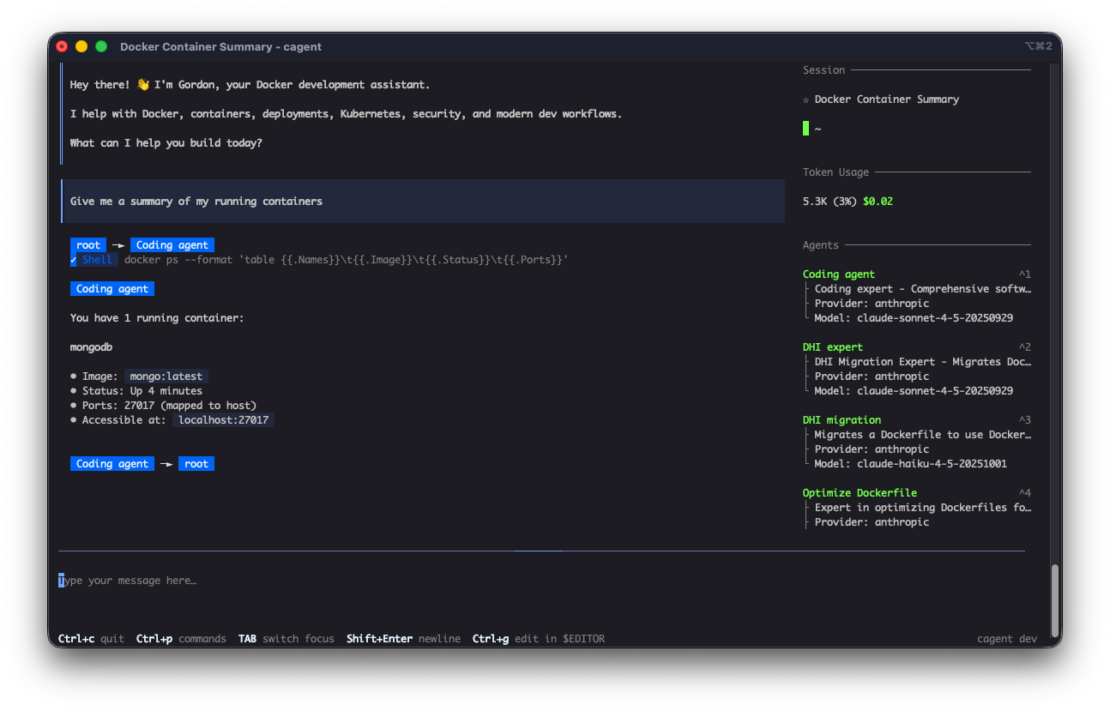
AI agents are moving from demos to daily workflows. They write code, run commands, and complete multi-step tasks without constant hand-holding. But general-purpose agents don't know Docker. They don't understand your containers, your images, or your specific setup. Gordon does. Just run docker ai in your terminal or try it in Docker Desktop. Available today...
11 Feb
In this blog post, we will show you how to remove Docker Containers, Images, and Volumes on Ubuntu 24.04. Docker ... Read More The post How To Remove Docker Images, Containers, and Volumes on Ubuntu 24.04 appeared first on RoseHosting.
24 Nov 2025
Docker is an open-source platform that enables you to build, deploy, and manage applications within lightweight, portable containers. When using ... Read More The post How to Install Docker on Debian 13 appeared first on RoseHosting.
19 Nov 2025
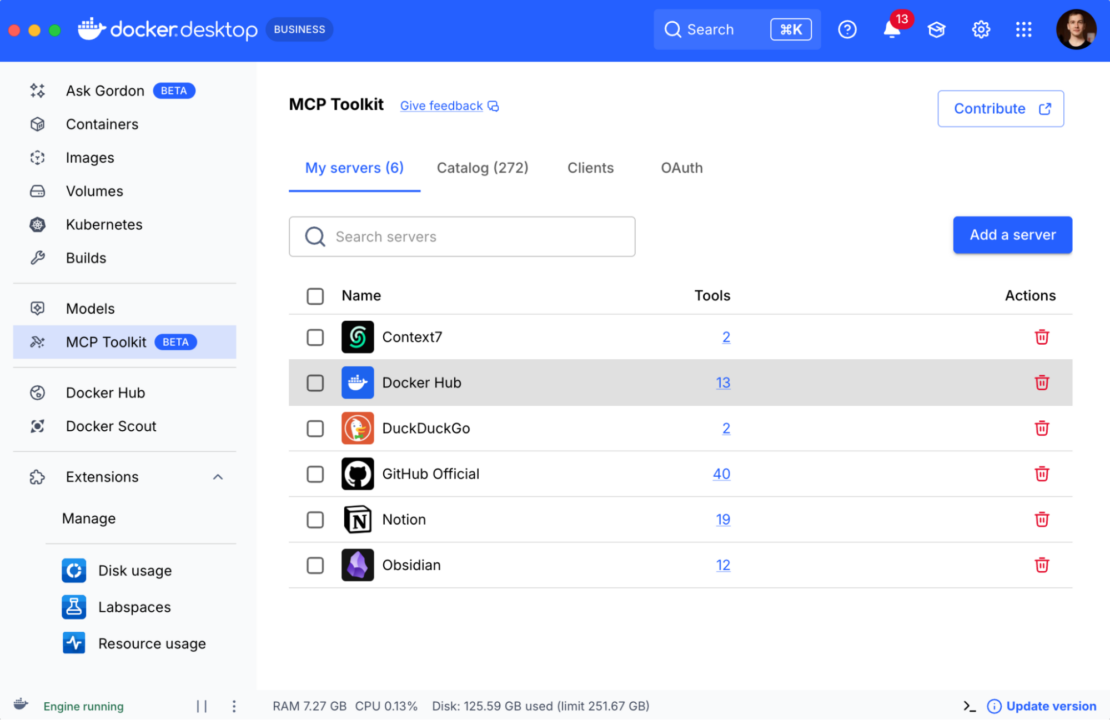
The era of AI agents has arrived, and with it, a new standard for how they connect to tools: the Model Context Protocol (MCP). MCP unlocks powerful, flexible workflows by letting agents tap into external tools and systems. But with thousands of MCP servers (including remote ones) now available, it’s easy to ask: Where do...
18 Nov 2025
Running a Chat UI Agent doesn’t have to involve a complicated setup. By combining Docker with the Vercel AI SDK, it’s possible to build and launch a conversational interface in a clean, reproducible way. Docker ensures that the environment is consistent across machines, while the Vercel AI SDK provides the tools for handling streaming responses...
13 Nov 2025
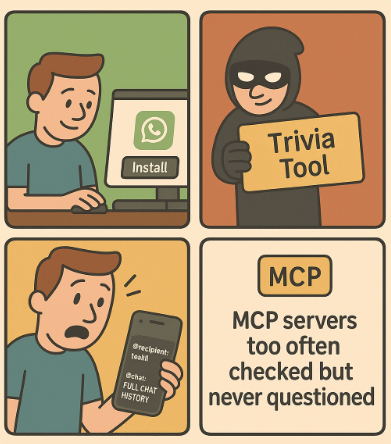
This is Part 5 of our MCP Horror Stories series, where we examine real-world security incidents that highlight the critical vulnerabilities threatening AI infrastructure and demonstrate how Docker’s comprehensive AI security platform provides protection against these threats. Model Context Protocol (MCP) promises seamless integration between AI agents and communication platforms like WhatsApp, enabling automated message...
22 Apr 2025
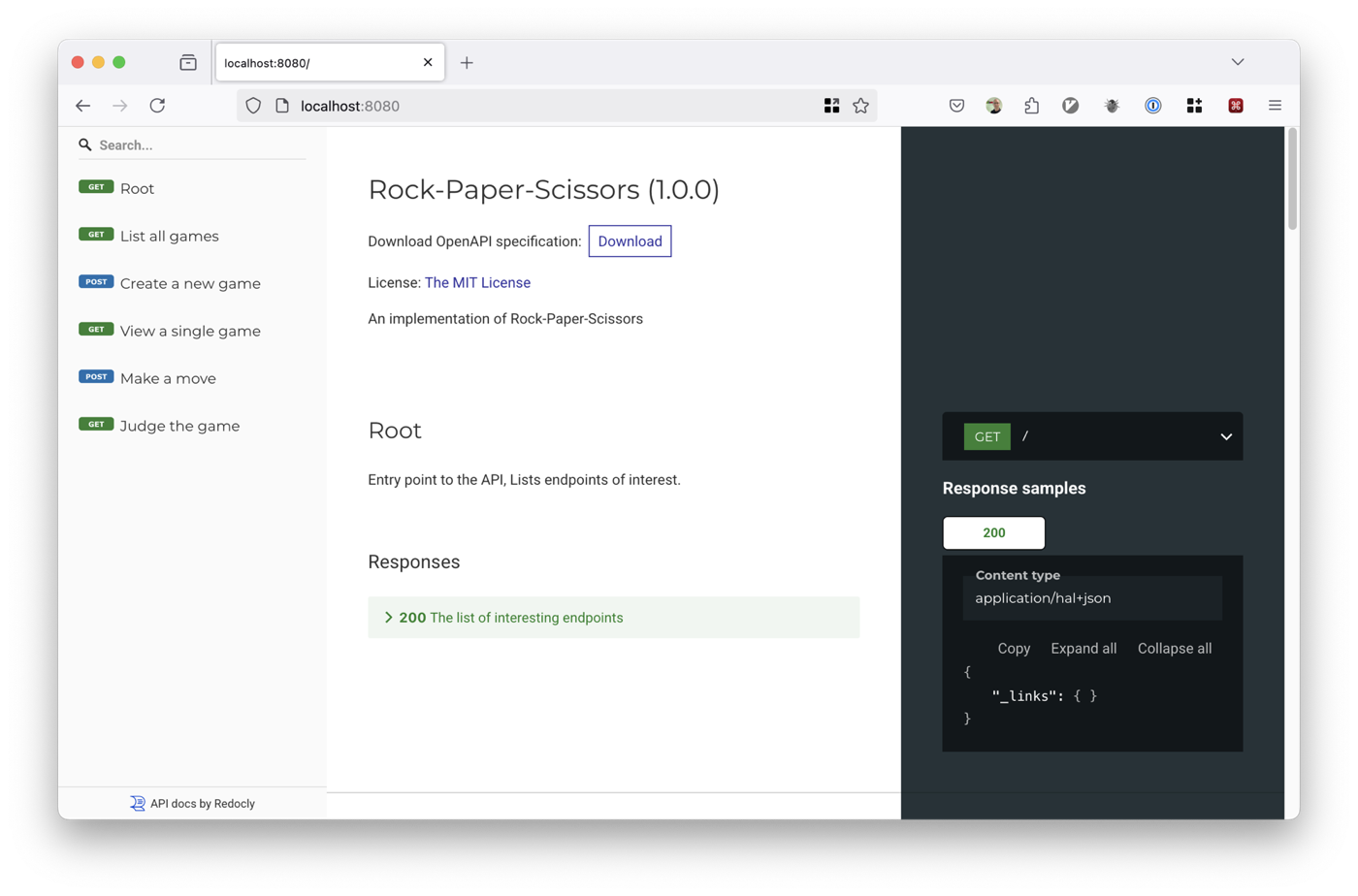
To provide consistency between the environments of our developers, I'm a strong proponent of using containers so that every developer is using the same versions of our tools. This is really important for command line tooling that depends on a separately installed language such as NodeJS or PHP as a simple npm i -g can install wildly different versions if…
15 Apr 2025
One of the projects that I'm working on at the moment uses Stripe which means that we need to handle web hooks in order to ascertain what's happened as that's how Stripe communicates back to us. For production and staging, it's easy enough to register a url on Stripe's dashboard, but when developing, it's a little more complicated as our…
1 Oct 2024
Sometimes you need some additional DNS entries in your containers. This is how to do it in compose.yaml. Internal entries Within the containers, the name of the container in compose.yaml is resolvable via DNS. Given this compose.yaml: services: web: # ... app: # ... networks: myapp: driver: "bridge" We can ping web from within the app container. If we need…
10 Sept 2024
I'm working on a project that uses MS SQL Server as its database. Recently, I noticed that the SQL Server Docker container now works with Apple Silicon Macs, so looked into setting up a PHP-FPM container with the sqlsrv extension installed. I'm noting the relevant parts of my Dockerfile for when I need them again, so this is entirely an…
3 Sept 2024
For one project that I'm working on the PHP-FPM-based Docker container is built from a Ubuntu container with PHP is installed into it. A little like this: FROM ubuntu:22.04 RUN apt-get update && apt-get upgrade -y && apt-get install -y gnupg curl # Register the Ondrej package repo for PHP RUN mkdir -p /etc/apt/keyrings \ curl -sS 'https://keyserver.ubuntu.com/pks/lookup?op=get&search=0x14aa40ec0831756756d7f66c4f4ea0aae5267a6c' | gpg…
5 May 2023
This article walks through the challenges of cross-compiling a Rust web app from a Mac Silicon machine to an x86 Docker container using musl, RusTLS, multi-stage builds and other techniques to produce a small container image.
20 Sept 2022

Kubernetes is a very popular open-source container orchestration system for deploying, scaling, and updating your software, as well as automatically recovering from failures. If your code can be packaged into a container, e.g. via Docker, then it can run on Kubernetes, or k8s for short (which is sometimes pronounced ‘kates’ and refers to the 8 letters between the first and…
3 Apr 2019

When we open-sourced buildpacks nearly seven years ago, we knew they would simplify the application deployment process. After a developer runs git push heroku master, a buildpack ensures the application’s dependencies and compilation steps are taken care of as part of the deploy. As previously announced, we’ve taken the same philosophies that made buildpacks so […] The post Turn Your…
18 Feb 2019

This article shows how to quickly build web app prototypes using Fastify for the backend API and Preact for the frontend UI. It also covers how to dockerize the app for easy sharing. Key points are the plugin architecture of Fastify, the lightweight nature of Preact, and the use of htm for defining UI without transpilation.
13 Nov 2018

Last October, we announced the ability for you to deploy pre-built Docker images to Heroku via Container Registry. Today, building Docker images with heroku.yml is generally available; you can now: Use git push heroku master to build your Docker images on Heroku Take advantage of review apps in Docker-based projects For most teams, using containers […] The post Building Docker…
29 Jun 2014
By writing a Dockerfile we can containerize a simple Go echo server app. The Dockerfile installs Go, copies the server code, exposes the port, and defines the command to run the app. Building the Dockerfile produces an image that can be run as a container. The containerized Go app can then be easily distributed and run anywhere Docker is installed.