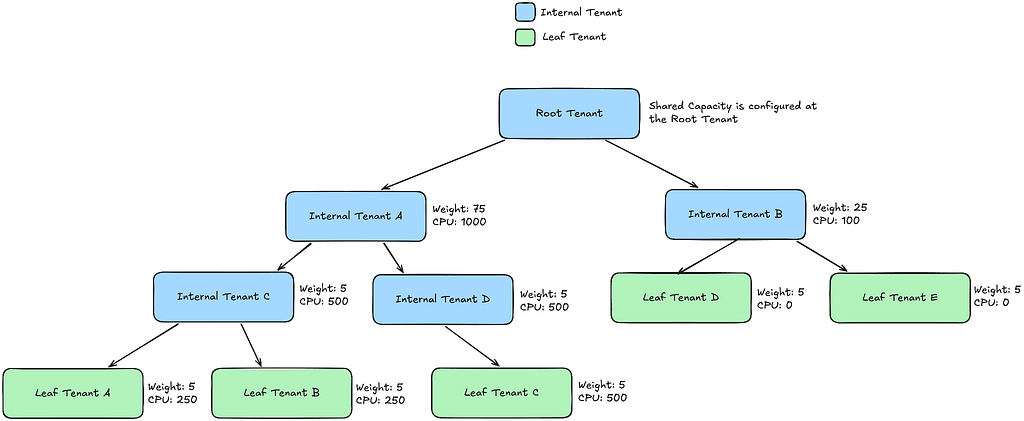
By Alvin Bao , Alex Petrov , Jennifer Lai , Aidan Sherr , and Samartha Chandrashekar As a part of the journey to transition Netflix’s compute infrastructure to be more Kubernetes-native, we have leaned into incorporating components from the Kubernetes ecosystem into our container platform Titus . One example of this is our use of Kueue , a cloud-native job…
#kubernetes
30 posts
22 Jun
15 Apr
Vaibhav Shankar; Staff Software Engineer | Raymond Lee; Staff Software Engineer | Chia-Wei Chen; Staff Software Engineer | Shunyao Li; Sr. Software Engineer | Yi Li; Staff Software Engineer | Ambud Sharma; Principal Engineer | Saurabh Vishwas Joshi; Principal Engineer | Charles-A. Francisco; Senior Engineer | Karthik Anantha Padmanabhan; Director, Engineering | David Westbrook; Sr. Manager, Engineering One day in…
8 Dec 2025
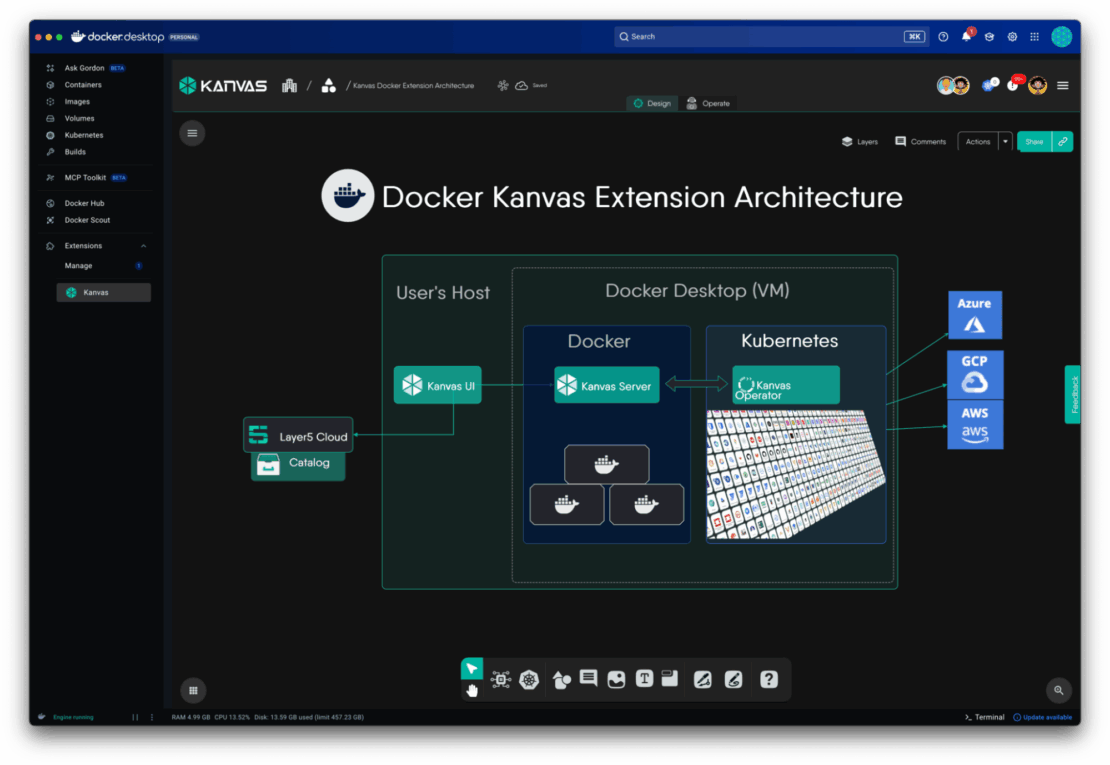
Docker has long been the simplest way to run containers. Developers start with a docker-compose.yml file, run docker compose up, and get things running fast. As teams grow and workloads expand into Kubernetes and integrate into cloud services, simplicity fades. Kubernetes has become the operating system of the cloud, but your clusters rarely live in...
24 Nov 2025

We are thrilled to announce that the Heroku Terraform Provider is now fully optimized for Fir. This significant milestone allows developers to manage our next-generation platform using Infrastructure as Code (IaC). Fir is built on a modern foundation of cloud-native, open-source standards (Kubernetes) while maintaining the legendary Heroku developer experience. By combining the declarative power […] The post Unleash the…
25 Sept 2025

You are in the process of putting together your application. While designing your authorization solution, you realize you will need to send emails to potential clients.Using a third-party service (like SendGrid or Mailgun) to cover your needs for now looks pretty attractive. After all, you don’t have any users yet, they offer free tiers, and […] The post Postfix on…
9 Jul 2025
Modern cloud-native architectures are composed of multiple microservices running across dynamic environments. Effectively diagnosing performance issues, bottlenecks, or failures requires comprehensive observability. For this, many organizations look to OpenTelemetry, which provides a standardized approach to capturing and analyzing telemetry data. Fir is Heroku’s next generation cloud platform, designed to offer more modern cloud-native capabilities with […] The post OpenTelemetry, Kubernetes,…
8 Jun 2025

Are you ready for more self-service datastore adventures? If you haven’t already, have a look at our previous entries in this series: Unlocking Efficiency: A New Era for Datastore Provisioning Simplifying Datastore Provisioning with Kubernetes Operators Resolving Incidents With The Remote Incident Console They’re a fun read. The story so far Last time, in Simplifying Datastore Provisioning with Kubernetes Operators…
2 Apr 2025
In a short amount of time, AI has transformed life, work, and how we think about the future. These rapid advancements have left many of us wondering how to integrate AI into our existing workflows and what it means for the future of app development. The apps we’re building today are more than lines of […] The post Heroku: Powering…

For years, Heroku has been empowering developers to deploy and scale their applications with ease. Now, we’re thrilled to introduce the general availability of the next generation of the Heroku platform, codenamed Fir, launching later this month April 2025. Built on open source standards and cloud-native technologies, Fir accelerates your development like never before. A […] The post Heroku Fir:…
3 Dec 2024

Over the past year, Heroku has been on a journey of reflection as we rebase the platform to address the changing needs of app teams toward the future without disrupting your business. In the Heroku way, we want to be thoughtful about your experience as we evolve. When we started Heroku, it was the early […] The post The Next…
2 Dec 2024
Cloud platforms have come a long way since Heroku first set out to empower developers. Today’s cloud native development demands even greater flexibility, openness, and scalability. A fun fact about Heroku is that we use trees to denote the generation of the platform technology stack (aka version). In the tradition of Aspen, Bamboo, and Cedar, […] The post Planting New…
27 Jun 2024

Heroku is joining the CNCF at the platinum level, upgrading the long-held CNCF Salesforce membership. This marks my third time serving on the CNCF board for different companies, and I’m excited to participate again. Joining the CNCF at the Platinum level signifies a major commitment, reflecting Heroku’s dedication to the evolving landscape. My three board […] The post Heroku Joins…
15 Jun 2024
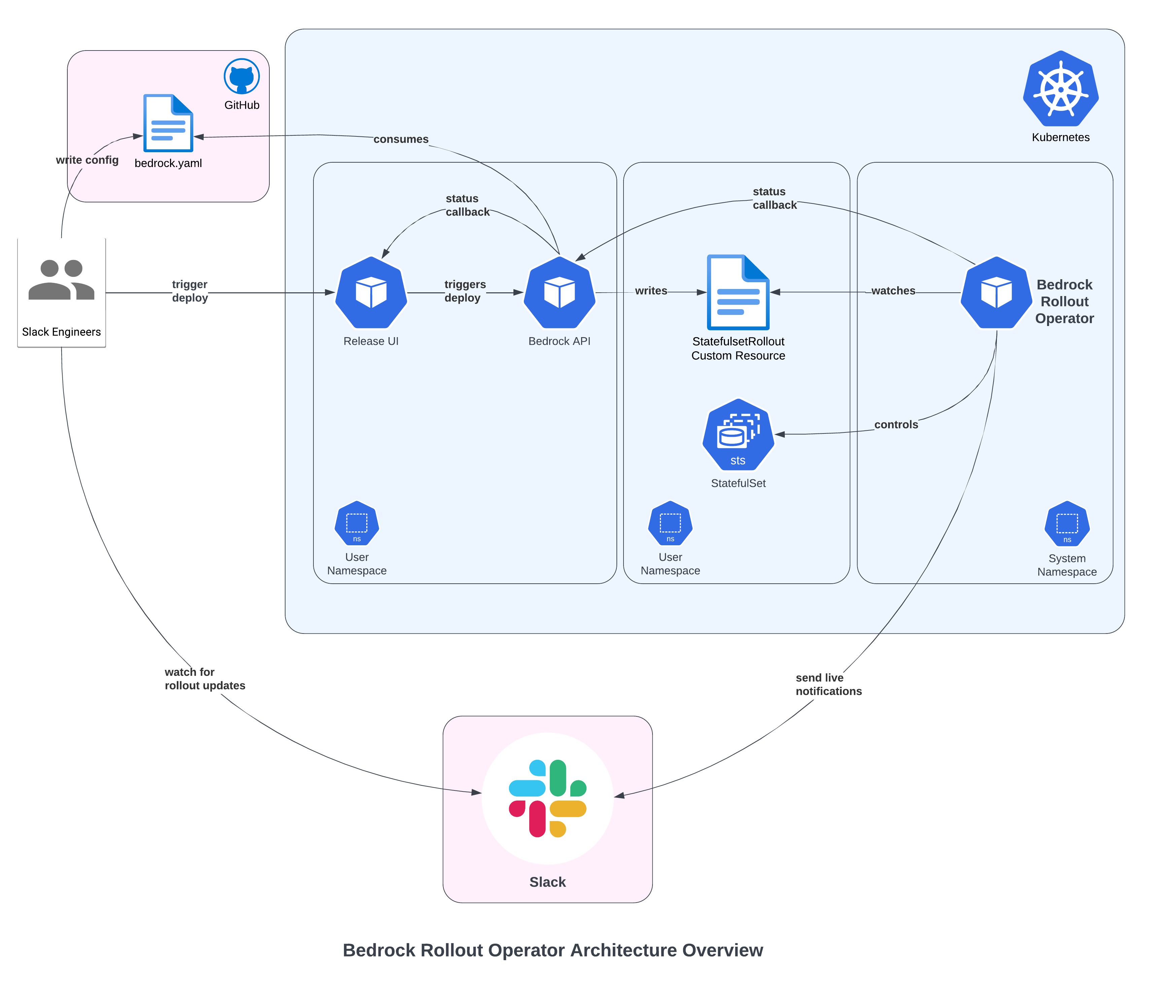
In a previous blog post—A Simple Kubernetes Admission Webhook—I discussed the process of creating a Kubernetes webhook without relying on Kubebuilder. At Slack, we use this webhook for various tasks, like helping us support long-lived Pods (see Supporting Long-Lived Pods), and today, I delve once more into the topic of long-lived Pods, focusing on our…
28 Sept 2023
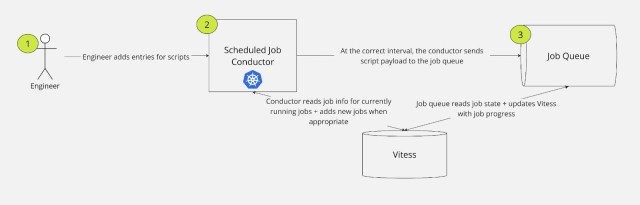
Cron scripts are responsible for critical Slack functionality. They ensure reminders execute on time, email notifications are sent, and databases are cleaned up, among other things. Over the years, both the number of cron scripts and the amount of data these scripts process have increased. While generally these cron scripts executed as expected, over time…
25 Apr 2023

In 2006, British mathematician Clive Humby declared “data is the new oil.”Like oil, data in raw form — sans insights and analysis has limited use. To harness the potential on data, organizations are constantly seeking ways to leverage their data to gain a competitive edge. This is where data science comes into play. CRED has evolved from a single product…
9 Jan 2023

Are you currently preparing for a Kubernetes interview? If so, you’ll want to make sure you’re familiar with the questions and answers below at least. This article will help you demonstrate your understanding of Kubernetes concepts and how they can be applied in practice. With enough preparation, you’ll be able to confidently nail your next […] The post Kubernetes Interview…
20 Sept 2022

Kubernetes is a very popular open-source container orchestration system for deploying, scaling, and updating your software, as well as automatically recovering from failures. If your code can be packaged into a container, e.g. via Docker, then it can run on Kubernetes, or k8s for short (which is sometimes pronounced ‘kates’ and refers to the 8 letters between the first and…
22 Mar 2022
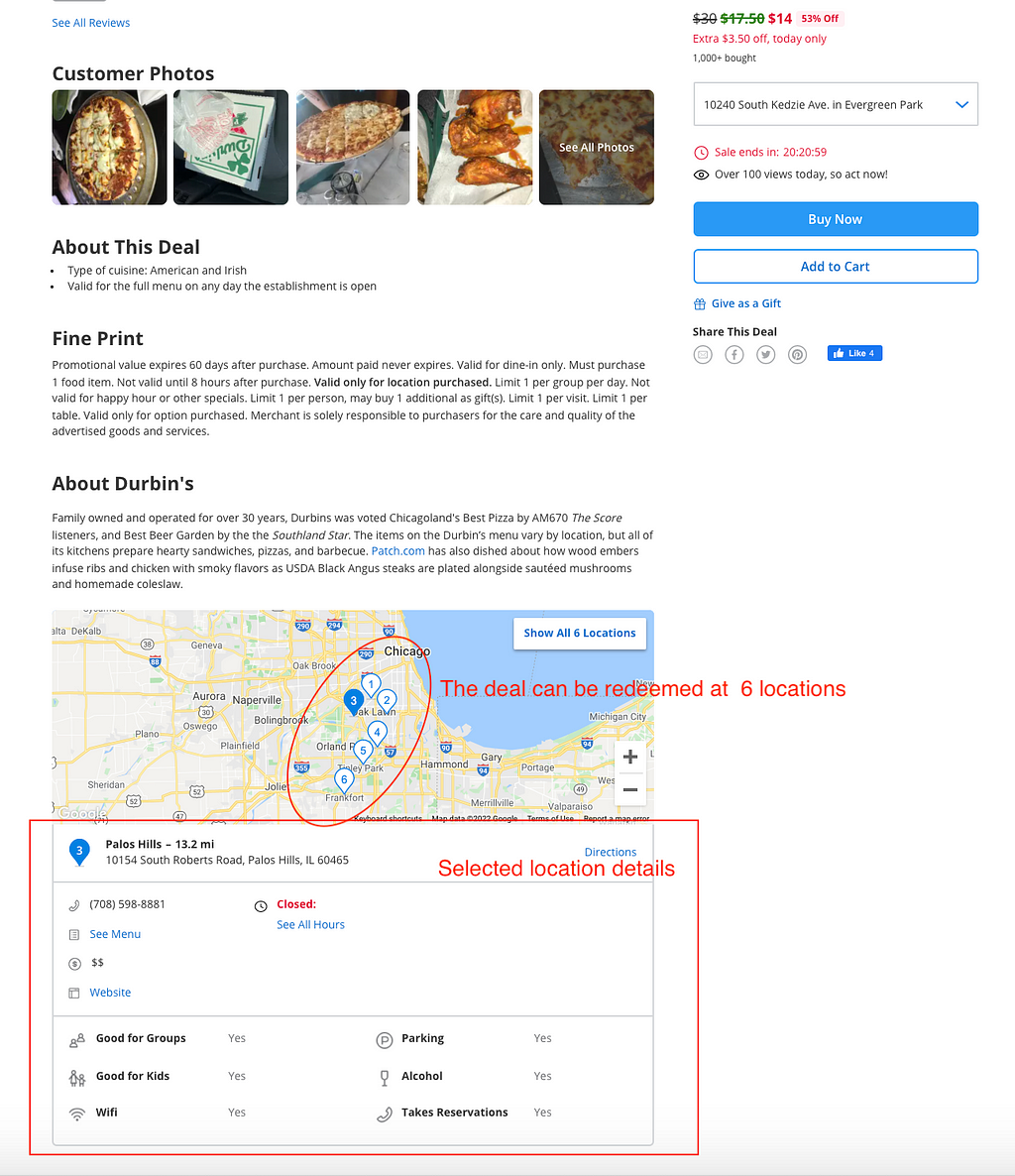
At Groupon, we are in the process of migrating our app workloads to AWS EKS. As part of the migration, we are also in the process of re-architecting our services to make them cloud & Kubernetes optimised. In this article, we will focus on the impact of cloud migration on Varnish caching at Groupon. For the uninitiated, Varnish is a…
14 Dec 2021
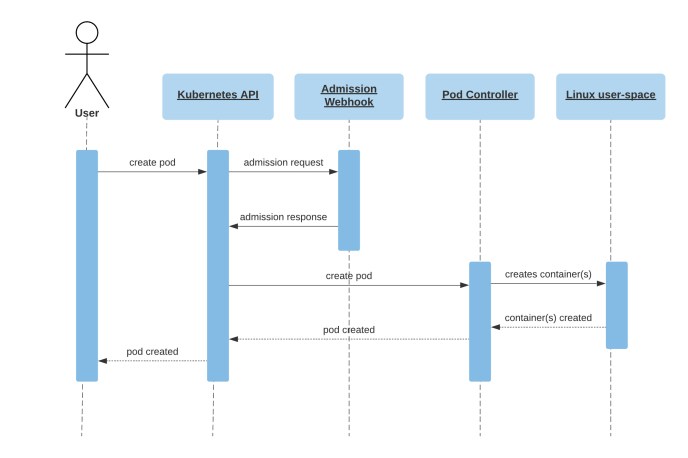
While adding a recent feature to our Kubernetes compute platform, we had the need to mutate newly-created pods based on annotations set by users. The mutation needed to follow simple business rules, and didn’t need to keep track of any state. Surely there must be a canonical solution to this simple problem? Well, sort of.…
23 Nov 2021
With this Argo CD Kubernetes tutorial you'll learn to store credentials safely within your k8s cluster using a pull-based continous deployment tool. The post Argo CD Kubernetes Tutorial appeared first on RisingStack Engineering.
1 Dec 2020
A case study where the adoption of Kubernetes has been heavily contested. Learn about our decision making process, and how we overcame k8s's limitations! The post Sometimes you do need Kubernetes! But how should you decide? appeared first on RisingStack Engineering.
19 Mar 2019

The CNJS project provides best practices and tools to build and integrate enterprise-grade Cloud Native Node.js applications. The post RisingStack Joins the Cloud Native Node.js Project appeared first on RisingStack Engineering.
7 Aug 2018
In this article, we’ll guide you through the process of deploying a stateful, Dockerized Node.js app on Azure Kubernetes Service (AKS)! The post Deploying a Stateful Application on Azure Kubernetes Service (AKS) appeared first on RisingStack Engineering.
25 Jul 2018
In this article, we’ll guide you through the process of deploying a stateful, Dockerized Node.js app on Google Cloud Kubernetes Engine! The post Deploying a Stateful Application on Google Cloud Kubernetes Engine appeared first on RisingStack Engineering.
20 Jun 2018
To tell the story of how Kubernetes evolved into the great tool that we know today, we visualized the major milestones on an interactive timeline! The post The History of Kubernetes on a Timeline appeared first on RisingStack Engineering.
8 May 2018
This article helps you to learn the basic concepts of Kubernetes, so you can have a modern, safe and reliable production infcrastructure in the cloud. The post What is Kubernetes & How to Get Started With It appeared first on RisingStack Engineering.
8 Mar 2018
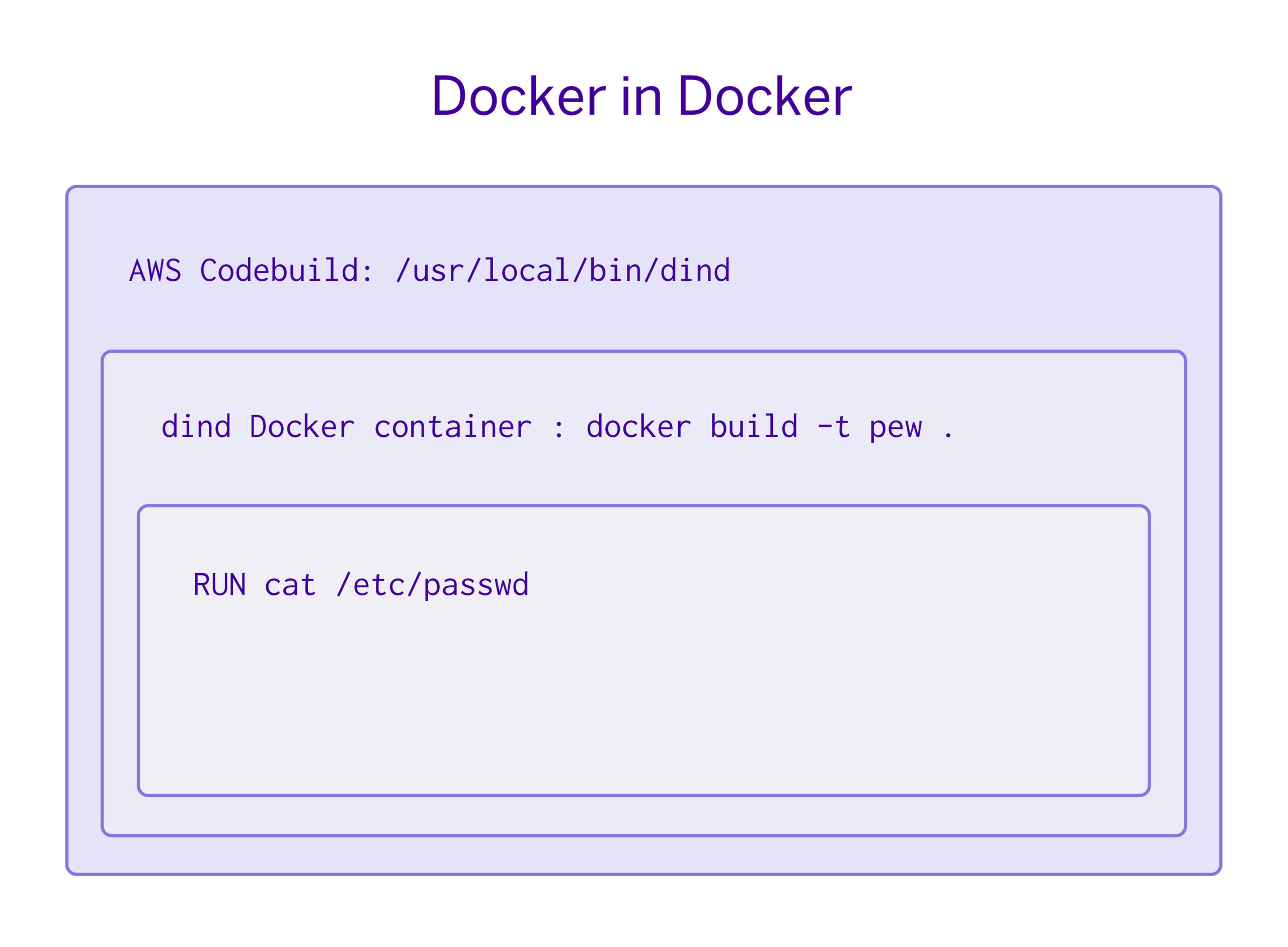
Containers, specifically Docker, are all the rage. Most DevOps setups feature Docker somewhere in the CI pipeline. This likely means that any build environment you look at, will be using a container solution such as Docker. These build environments need to take untrusted user-supplied code and execute it. It makes sense to try and securely […] The post A House…
22 Feb 2018

Kubernetes is a container orchestration system that originated at Google, and is now being maintained by the Cloud Native Computing Foundation. In this post, I am going to dissect some Kubernetes internals—especially, Deployments and how gradual rollouts of new containers are handled. What Is a Deployment? This is how the Kubernetes documentation describes Deployments: A […] The post Dissecting Kubernetes…
20 Feb 2018
The post How Fintonic uses Node.js, MongoDB & Kubernetes to scale appeared first on RisingStack Engineering.
6 Sept 2017
Everyone gets the same set of tools Something that had long puzzled me was the question “Why do some people [in the organisation] have root, and others do not?” It seemed to me that the reason the sysadmins had the root passwords, and everyone else had to raise tickets, was a tooling problem. Giving everyone […]