
Traditional data replication techniques often struggle to deliver the data freshness that modern workflows require. To help organizations overcome this challenge, SAP and Google Cloud are announcing that SAP Business Data Cloud Connect for BigQuery is now generally available. As the next phase of our long-standing partnership, SAP BDC Connect for BigQuery gives you zero-copy access to data products across…
#data analytics
44 posts
Yesterday
24 Jul
When we introduced the Open Knowledge Format (OKF) in June 2026, we asserted that the context that agents need (table schemas, metric definitions, runbooks) should live in a format, not in a proprietary service, and not scattered across unstructured text blobs. Accordingly, OKF v0.1 started simple: just markdown, YAML frontmatter, and a handful of conventions. The strong response and contributions…
23 Jul

What’s one of the biggest bottlenecks stopping organizations from scaling their AI initiatives? It isn’t the capabilities of today’s models — it’s their access to business context and semantic meaning. In the agentic era, enterprises need to go beyond simply storing data to activating it with trusted context, moving from passive systems of record to proactive systems of action. But…
22 Jul

From maintenance to innovation: Checking in on Checkout.com’s Cloud Composer 3 migration
Google CloudData engineering teams often face a “Day 2” operational reality after building a data platform: the ongoing work of maintaining the orchestrator itself. For the Data Platform team at Checkout.com, managing a self-hosted Apache Airflow environment on another hyperscaler was consuming time the team wanted to spend elsewhere as server management, patching, and incident response were pulling focus from building…
17 Jul
Many BigQuery customers rely on policy tags for protecting their sensitive information in BigQuery. Policy tags were the go-to solution for applying column-level access controls, allowing only users with the right permission to view sensitive columns like personally identifiable information (PII). It was a robust and effective system — for its time. However, data ecosystems have grown in complexity, and…
16 Jul

Data scientists and data engineers often find themselves caught between two worlds: SQL and Python. Some find SQL more intuitive, especially when combined with a powerful engine like BigQuery to process data at scale. Others find it easier to work in Python with its rich ecosystem of libraries and runtimes. Historically, using these languages together in one notebook required moving…
15 Jul

Deploying the Gemini Enterprise app across an organization marks a transformative leap forward in workforce productivity, providing employees with an amazing, high-performance suite of agentic AI tools, search-grounded assistants, and specialized solutions like NotebookLM. As adoption grows to a large scale, it can introduce a critical administrative scale challenge: how to audit, govern, and extract insights from a massive volume…
10 Jul

Editor’s note: Some of the most interesting questions in AI are being asked by information theoreticians, around how to provide context to an emerging class of AI agents. A few weeks ago, we waded into those waters with a blog about the Open Knowledge Format, a specification that formalizes the LLM-wiki pattern into a portable, interoperable format to represent the…
6 Jul

The automotive industry is at a pivotal crossroads as it hits the gas on adopting new technology. The era of the traditional connected vehicle has shifted into the age of the software-defined vehicle (SDV), notable for rapid innovation with many new capabilities delivered over the air. By integrating AI and agents, the next generation of SDVs will be capable of…
30 Jun

Businesses run on fast decisions, but the teams who hold the answers are often buried under a backlog of routine requests, leaving users waiting in line for insights they need now. Today, we are bringing Conversational Analytics in BigQuery to general availability, so both business and technical teams can query data, run multi-step analyses, and generate visual reports using natural…
29 Jun
Based in the UK, Curve are building a financial super-app, a smart wallet that consolidates all your debit and credit cards into a single app and card, simplifying how millions of users spend, send and save money. However, operating at this scale means confronting a high-volume, ever-evolving landscape of financial crime. While traditional fraud detection models are excellent at flagging…

We recently announced the preview of the BigQuery AI.AGG() function. With AI.AGG(), you can use natural-language instructions within a single line of SQL to summarize or synthesize information over millions of rows of unstructured or even multimodal data. Summarize millions of rows with one line of SQL: AI.AGG While BigQuery already offers powerful AI functions that help you analyze individual…
22 Jun
SQL is the industry standard for high-performance structured data analysis. However, expressing complex procedural logic, scientific computations, advanced string manipulations, or machine learning workflows in pure SQL can be highly challenging, if not impossible. That kind of work is better done with Python. Data practitioners often take on additional infrastructure management tasks — maintaining custom images and containers, and working…
17 Jun

The United Kingdom, and London in particular, continues to be one of the great hubs for AI development in Europe and the world. We’re home to Google DeepMind, of course, as well as significant AI unicorns — and Google Cloud customers — like Ineffable Intelligence, which is today announcing an important partnership with us. A year ago, we joined you…
16 Jun

How Siemens "slices the elephant," advancing agentic workflows for industrial software development
Google CloudFor technology companies like Siemens, software is the nervous system of factories, energy grids, and transportation networks worldwide. As a global leader in industrial AI, industrial software, and industrial automation, Siemens brings decades of domain expertise across factory and process automation, energy infrastructure, and intelligent transportation — expertise that no off-the-shelf AI solution can replicate. But innovation carries a heavy…
15 Jun
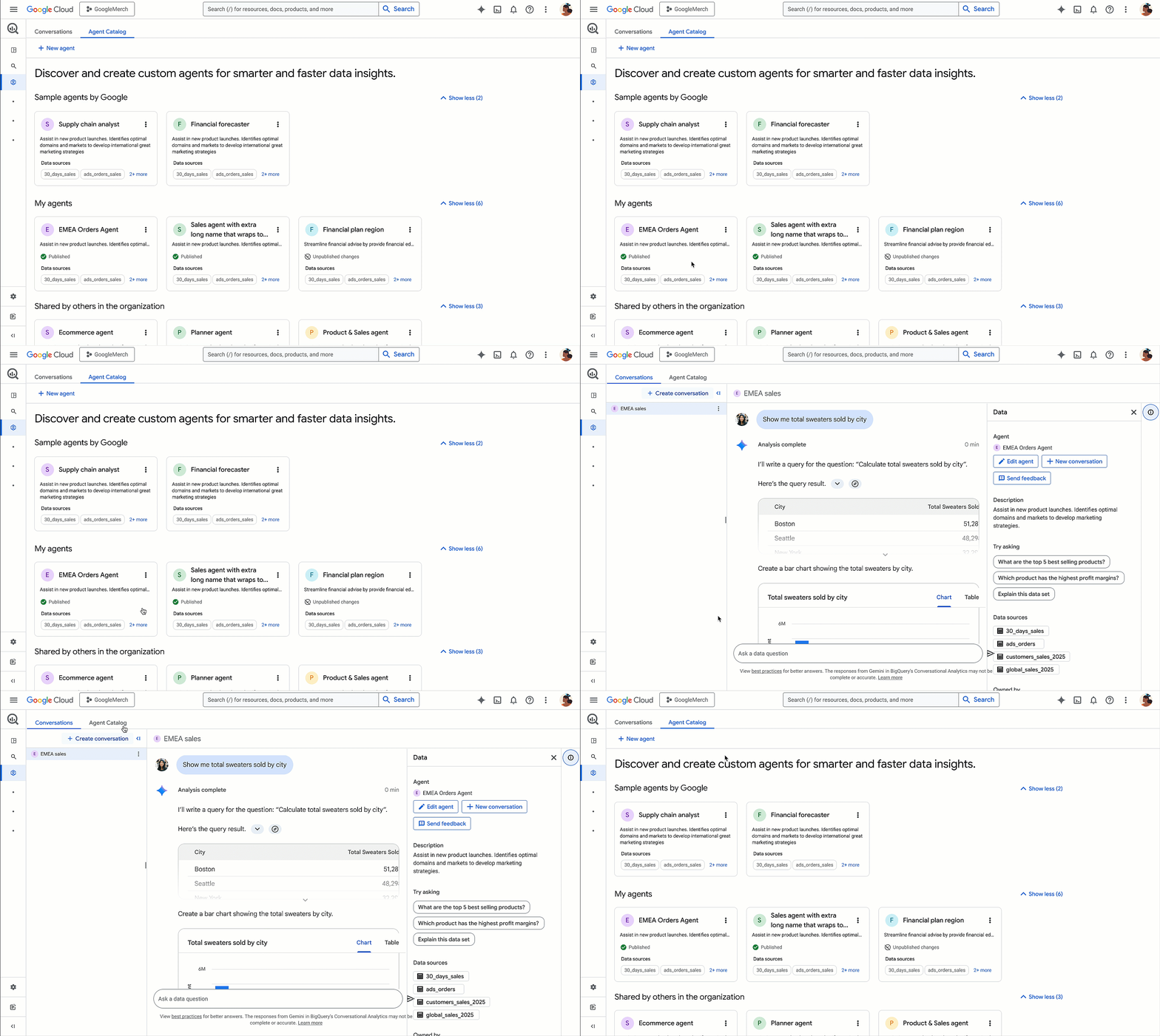
The rise of AI agents is fundamentally disrupting applications and analytical systems. Generic AI platforms don't usually have access to the context stored within enterprise databases. This is because traditional data architectures often lack context for agents across the data estate, which can lead to agents being inaccurate. They’re also prone to security gaps due to a lack of granular…
12 Jun
As foundation models continue to improve, the lack of relevant context often limits what they can do, especially as they are used to build agentic systems. While these models can help you write code, summarize documents, or analyze a dataset, they still need the right information to produce accurate and actionable results. That’s why today, we’re introducing the Open Knowledge…
11 Jun
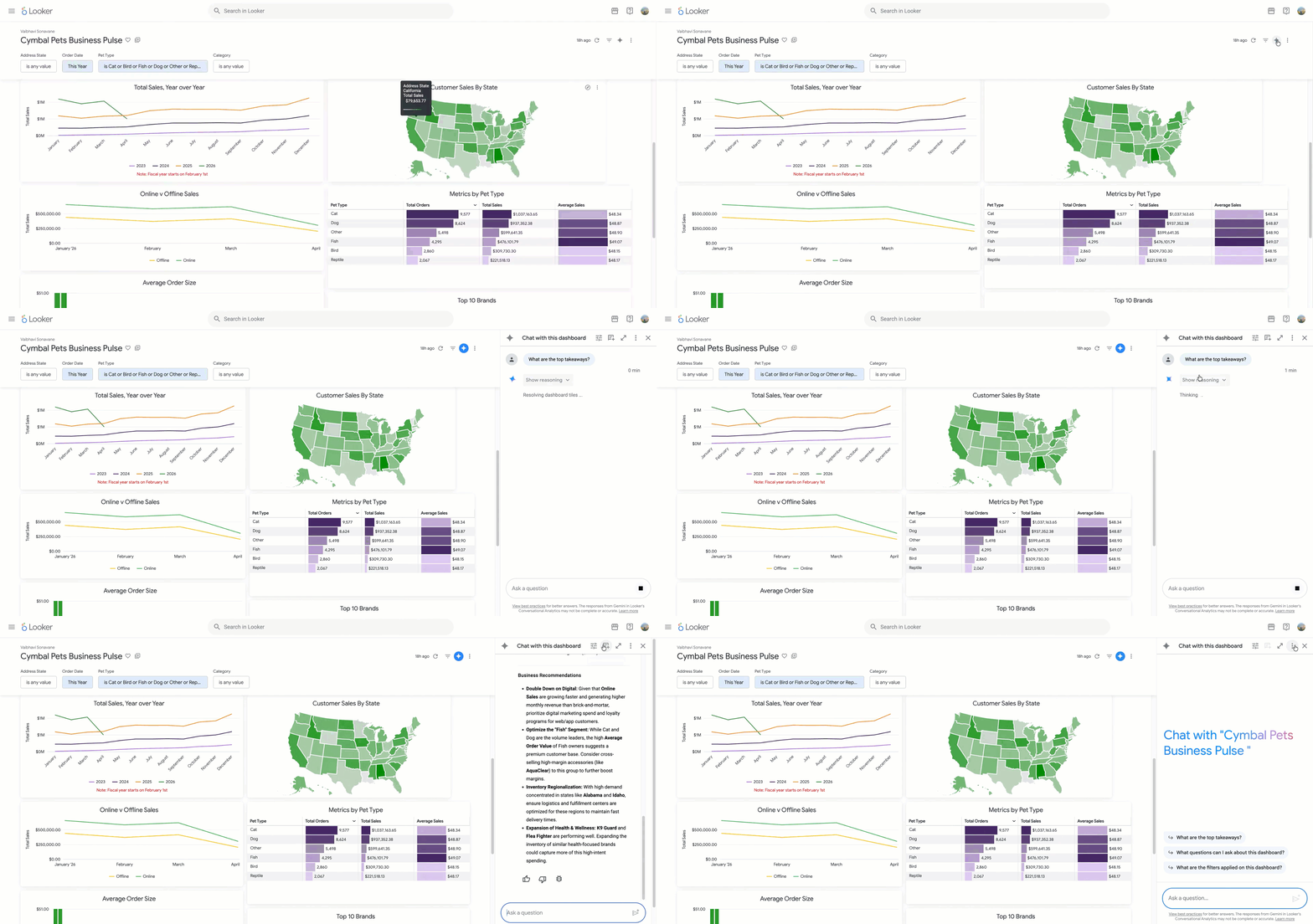
Dashboards have long served as a primary way for organizations to extract insights from data, but they can fall short in agile environments: Dashboards aren’t interactive and don’t allow you to ask follow-up questions. This forces users to step outside their workflows or turn to data analysts to get the answers they need. Today, we are introducing Looker dashboard agents…
10 Jun

From foundational ETL and analytics to the frontier of generative AI, Apache Spark serves as the architectural backbone for global data processing. However, as data volumes scale, the trade-off between performance and infrastructure costs can be a limiting factor for growth. In the agentic era, where autonomous agents can trigger thousands of concurrent, multi-hop queries, this performance bottleneck directly dictates…
8 Jun

Modernizing Healthcare: How Alcidion achieved greater stability and performance with AlloyDB
Google CloudIn clinical informatics, every second counts. For Alcidion, a global leader in smart health solutions, the mission is simple but critical: use technology to reduce cognitive load for clinicians and present the right information at the right time to save lives. Whether it’s managing patient flow in an emergency department or ensuring a patient is in the correct ward to…
4 Jun

At Google Cloud, our goal is to let you run large-scale analytical and data science workloads with maximum efficiency so you can process big data pipelines, machine learning, and ETL tasks. We recently announced that the Dataproc service is now Managed Service for Apache Spark, reflecting our deep integration with the Agentic Data Cloud. To support the diverse architectural needs…
June 1 - June 5 Beyond the Query: Powering AI Agents with Bigtable, Firestore & Memorystore Discover the latest advancements in Google Cloud's NoSQL Database portfolio, including Bigtable, Firestore, and Memorystore. This series is designed for a broad audience: whether you are exploring these databases for the first time or are an existing user looking to leverage the new capabilities…
3 Jun
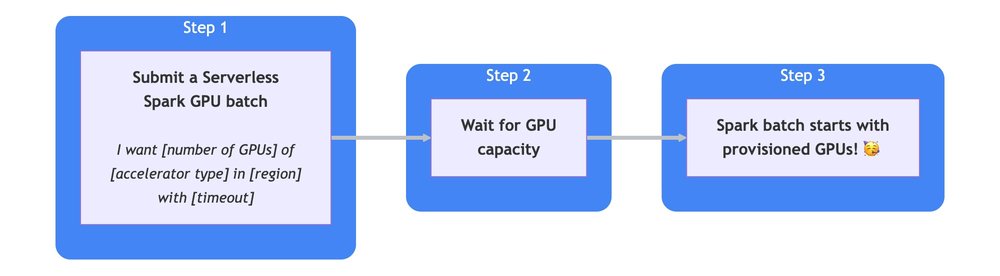
Whether you use it for data preparation, real-time interactive queries, AI model training, or something entirely different, running Apache Spark at scale is demanding — you shouldn’t have to manage the underlying infrastructure too. Late last year, we announced the general availability (GA) of our serverless Managed Service for Apache Spark runtime version 3.0, prioritizing speed, simplicity, and reliability. Since…
2 Jun
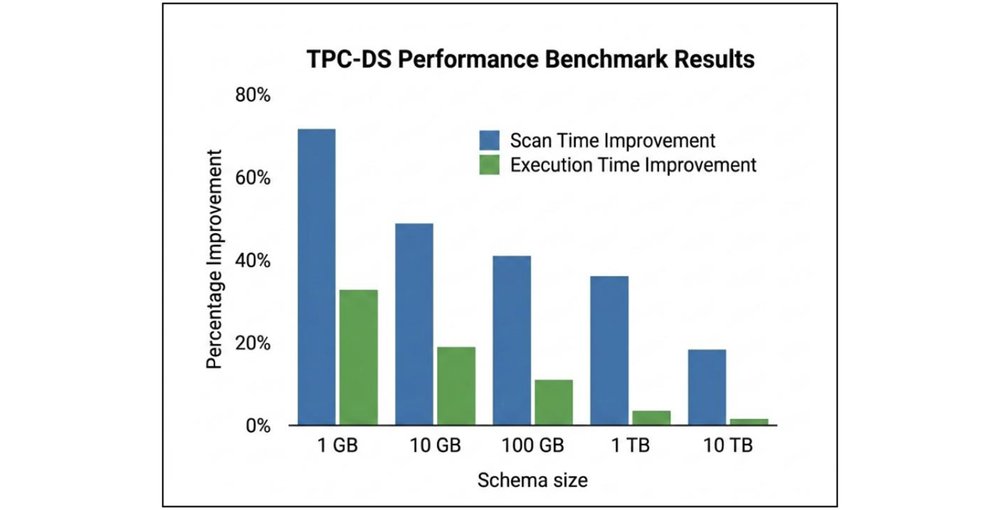
Many data engineers spend significant time managing compatibility and getting best performance across multiple analytics engines. To help solve this pain point, we are excited to announce gcs-analytics-core, a new open-source Java library designed to centralize and accelerate analytics optimizations for Google Cloud Storage (GCS). With this, you get the flexibility to select your preferred analytics engine while achieving high…
20 Jun 2025
How We Built Canva's IMPACT App with Streamlit in Snowflake
27 May 2025
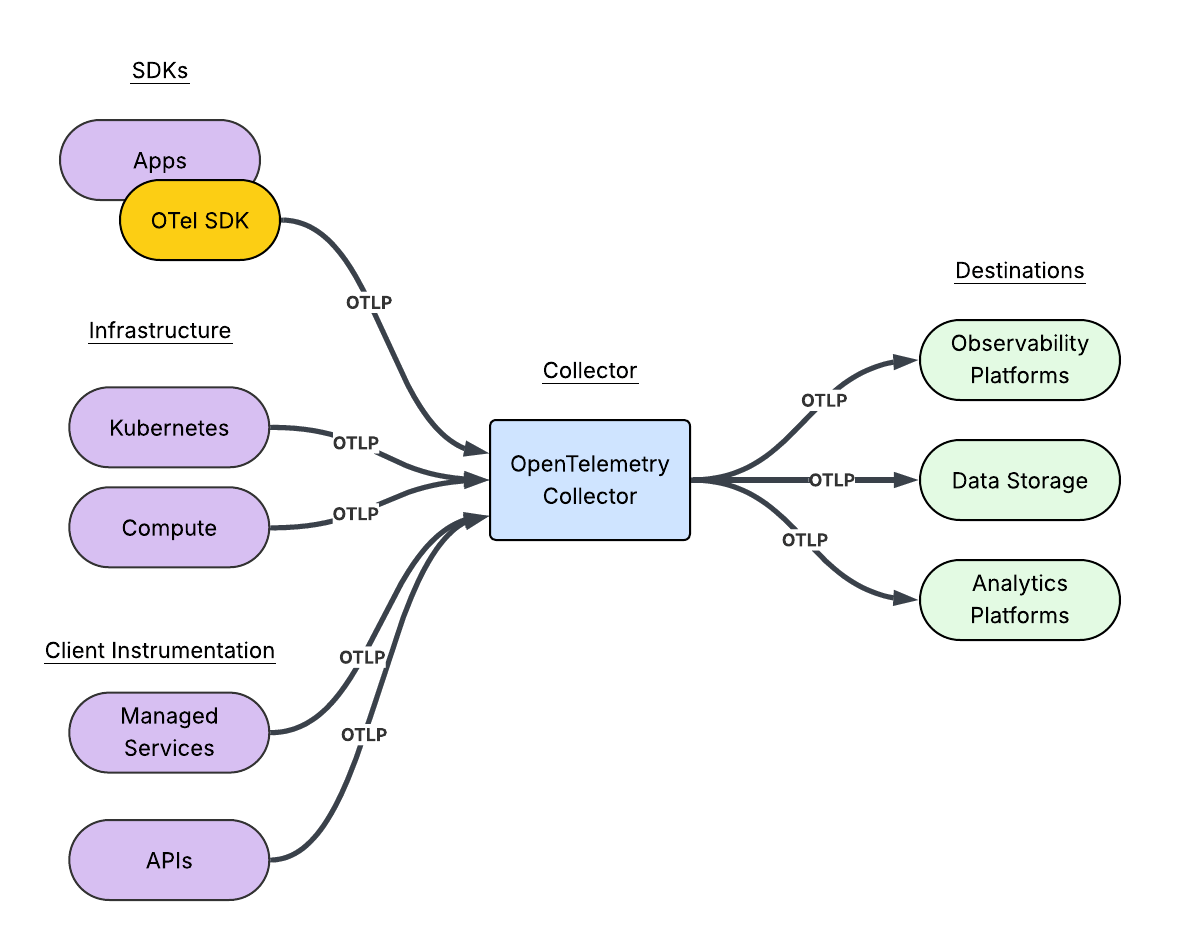
Heroku recently made the next generation platform – Fir – generally available. Fir builds on the strengths of the Cedar generation while introducing a new modern era of developer experience. Fir leverages modern cloud-native technologies to provide a seamless and performant platform. One of the goals we set out to achieve with Fir is to […] The post OpenTelemetry Basics…
1 May 2025
We’re excited to announce the release of Heroku-Streamlit, a template that makes deploying interactive data visualization applications on Heroku simpler than ever before. Streamlit is an open-source app framework built for machine learning and data science projects. This Streamlit App brings together Heroku’s scalable cloud platform and Streamlit’s intuitive Python-based data application framework. Whether you’re […] The post Introducing Heroku-Streamlit:…
2 Apr 2025
We’re excited to introduce Heroku-Jupyter, an open-source, production-ready solution for running Jupyter Notebooks on Heroku with persistent storage, seamless deployment, and built-in security. Whether you’re a data scientist, educator, or developer, you can now spin up a cloud-based Jupyter environment in minutes. Why Jupyter on Heroku? Jupyter Notebooks provide an interactive computing environment ideal for […] The post Jupyter Notebooks…
4 Mar 2025
Developers love Heroku for its elegance and simplicity to easily build and deploy any type of app or service in the languages they love. This flexibility enables developers to build robust custom applications or specialized capabilities like agent actions, complex pricing calculations, or real-time transformations and processing. These are often capabilities where Salesforce Admins and […] The post Heroku AppLink…
10 May 2024

Heroku Postgres is one of the world’s largest managed data stores. Our customers rely on Heroku Postgres to store valuable data, which powers a range of experiences and services they build on Heroku. Salesforce Data Cloud integrates all your company’s data into the Einstein 1 Platform, creating a comprehensive customer view for personalized engagements, analytics, […] The post Introducing the…
12 Jan 2022
Ryan Basayne of Coralogix sits down with Morgan Shultz of Copado to discuss his experience leveraging Coralogix on the Heroku Platform. Copado is an end-to-end, native DevOps solution that unites Admins, Architects and Developers on one platform. DevOps is a team sport, and uniting all 3 allows you to focus on what you need to […] The post How Copado…
21 Jan 2021

The Xplenty (Integrate.io) platform allows organizations to integrate, process, and prepare data for analytics in the cloud. Xplenty is also available as a Heroku Add-on. Abe Dearmer is the company’s COO. Often, innovation sparks innovation in unforeseen ways. In the early 1950’s, television brought the world an entirely new experience that not only changed people’s […] The post An Iconic…
11 Dec 2020

This post previously appeared on the Salesforce Architects blog. Event-driven application architectures have proven to be effective for implementing enterprise solutions using loosely coupled services that interact by exchanging asynchronous events. Salesforce enables event-driven architectures (EDAs) with Platform Events and Change Data Capture (CDC) events as well as triggers and Apex callouts, which makes the […] The post Extend Flows…
8 Oct 2020
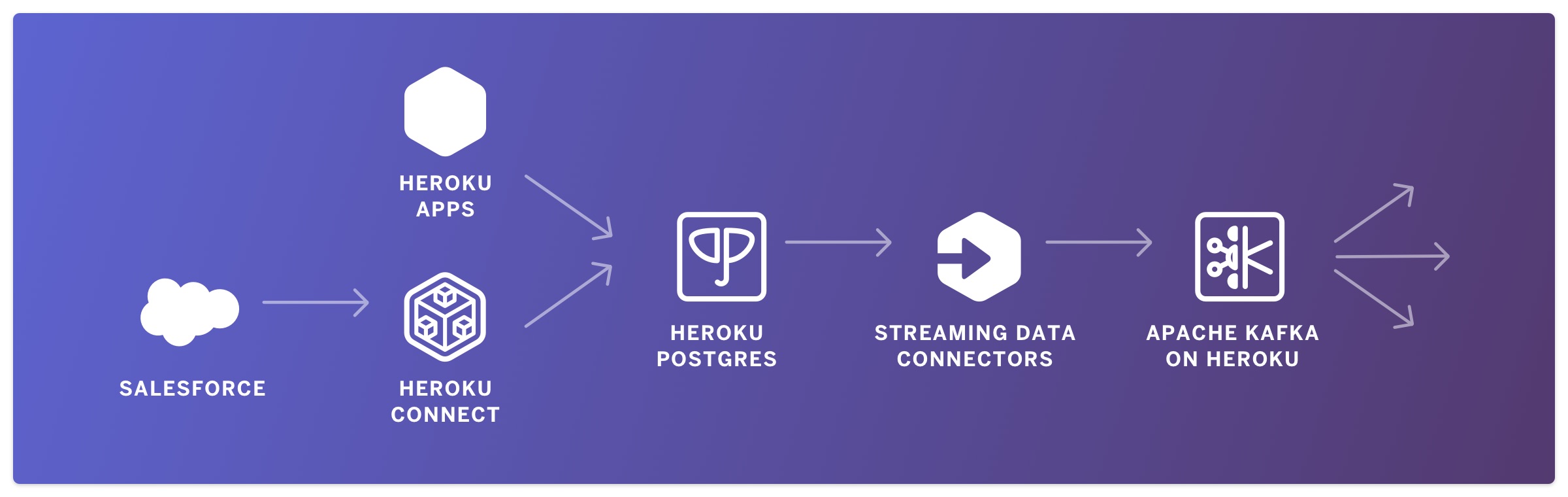
This summer, we announced the beta release of our new streaming data connectors between Heroku Postgres and Apache Kafka on Heroku. These connectors make Change Data Capture (CDC) possible on Heroku with minimal effort. Anyone with a Private or Shield Space, as well as a Postgres and an Apache Kafka add-on in that space, can […] The post Heroku Streaming…
10 Jul 2020
Today we are announcing a beta release of our new streaming data connector between Heroku Postgres and Apache Kafka on Heroku. Heroku runs millions of Postgres services and tens of thousands of Apache Kafka services, and we increasingly see developers choosing to start with Apache Kafka as the foundation of their data architecture. But for […] The post Streaming Data…
16 Apr 2019

The data we store holds value, but refining data into meaning remains a difficult task. Over the last few months, we’ve taken a step back to figure out what we can do to help our users cross that divide, and rebuilt Heroku Dataclips from scratch with that goal in mind. The result is an experience […] The post A Dialog…
28 Feb 2019

The recent introduction of Platform Events and Change Data Capture (CDC) in Salesforce has launched us into a new age of integration capabilities. Today, it's possible to develop custom apps that respond to activity in Salesforce. Whether you're creating a memorable customer interaction or implementing an internal workflow for employees, consider an event-sourced design to […] The post Reactive Programming…
6 Dec 2018
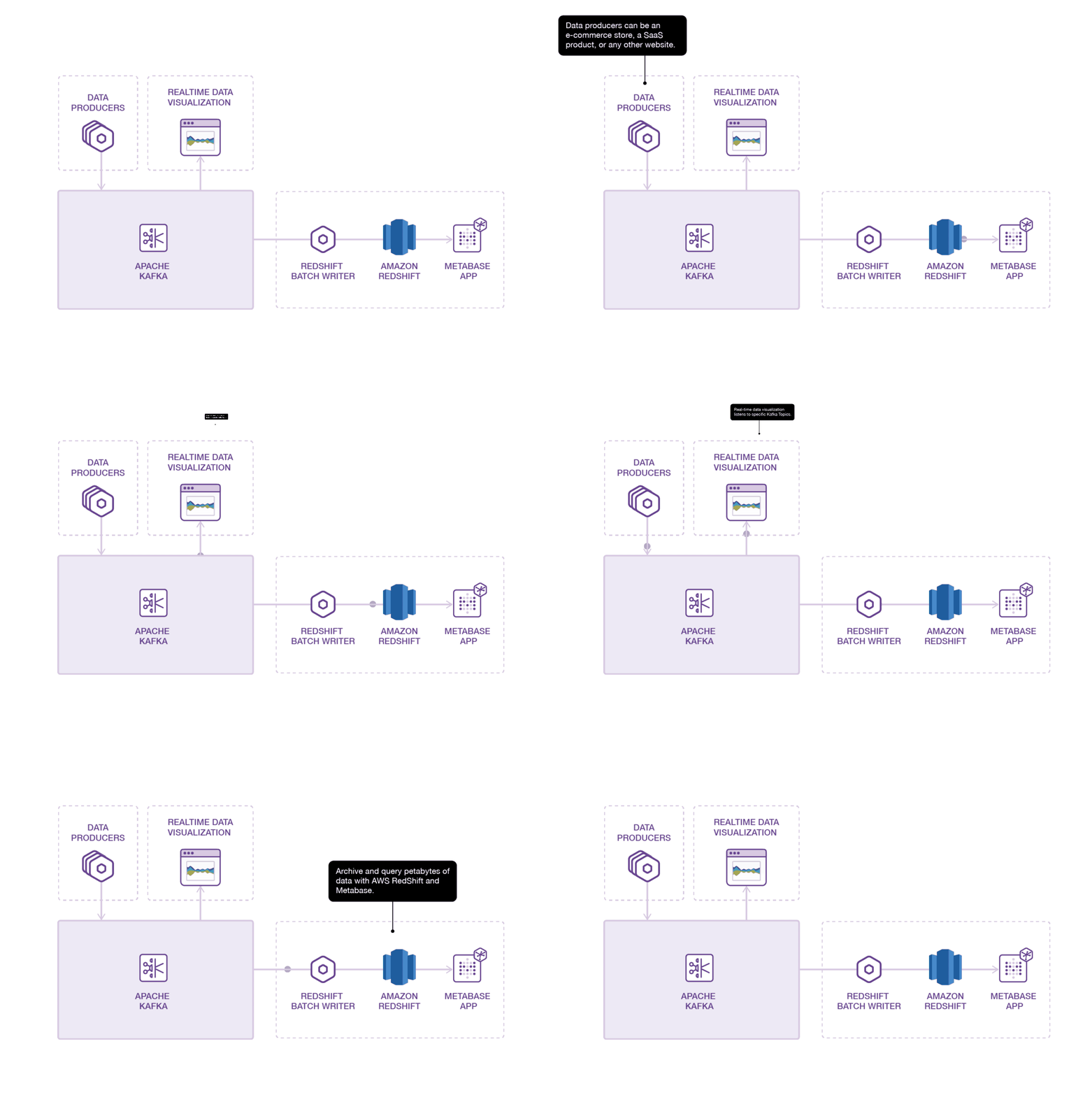
Building a SaaS product, a system to handle sensor data from an internet-connected thermostat or car, or an e-commerce store often requires handling a large stream of product usage data, or events. Managing event streams lets you view, in near real-time, how users are interacting with your SaaS app or the products on your e-commerce […] The post Manage Real-time…
14 Aug 2018
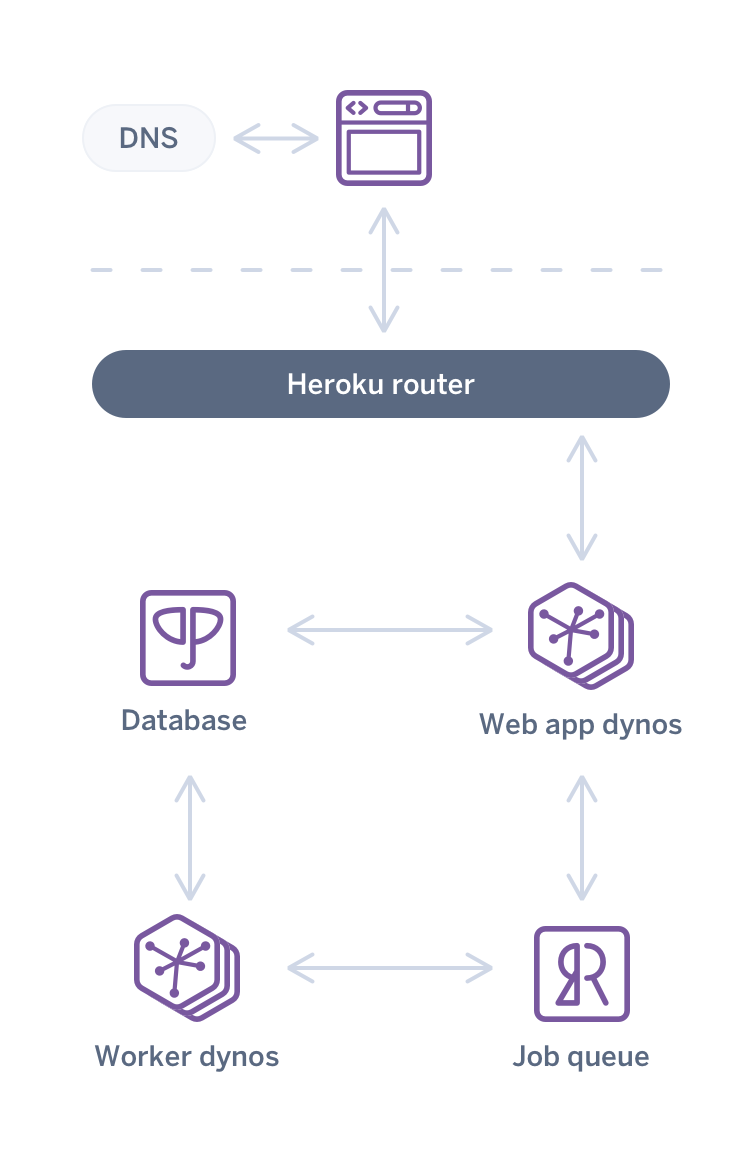
This is the first in a series of blog posts examining the evolution of web app architecture over the past 10 years. This post examines the forces that have driven the architectural changes and a high-level view of a new architecture. In future posts, we’ll zoom in to details of specific parts of the system. […] The post Beyond Web…
19 Dec 2017

Designing scalable, fault tolerant, and maintainable stream processing systems is not trivial. The Kafka Streams Java library paired with an Apache Kafka cluster simplifies the amount and complexity of the code you have to write for your stream processing system. Unlike other stream processing systems, Kafka Streams frees you from having to worry about building […] The post Kafka Streams…
14 Sept 2017
Event-driven architectures are on the rise, in response to fast-moving data and constellations of inter-connected systems. In order to support this trend, last year we released Apache Kafka on Heroku – a gracefully integrated, fully managed, and carefully optimized element of Heroku’s platform that is the culmination of years of experience of running many hundreds […] The post Kafka Everywhere:…
28 Sept 2016
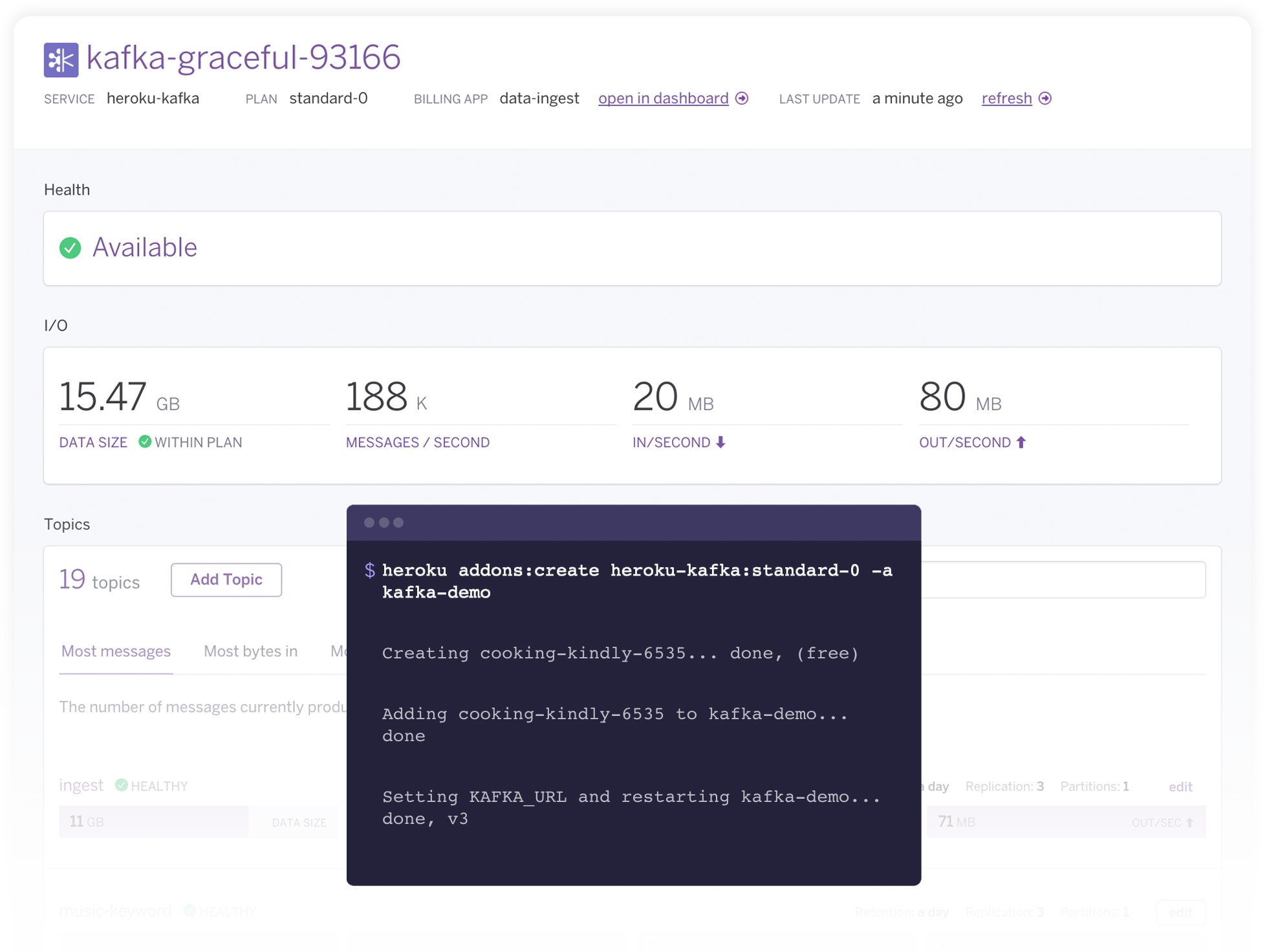
Many of the compelling and engaging application experiences we enjoy every day are powered by event-based systems; requesting a ride and watching its progress, communicating with a friend or large group in real time, or connecting our increasingly intelligent devices to our phones and each other. Behind the scenes, similar architectures let developers connect separate […] The post Apache Kafka…
26 May 2016

For almost two years now, the Heroku Dashboard has provided a metrics page to display information about memory usage and CPU load for all of the dynos running an application. Additionally, we’ve been providing aggregate error metrics, as well as metrics from the Heroku router about incoming requests: average and P95 response time, counts by […] The post Heroku Metrics…
5 Sept 2014
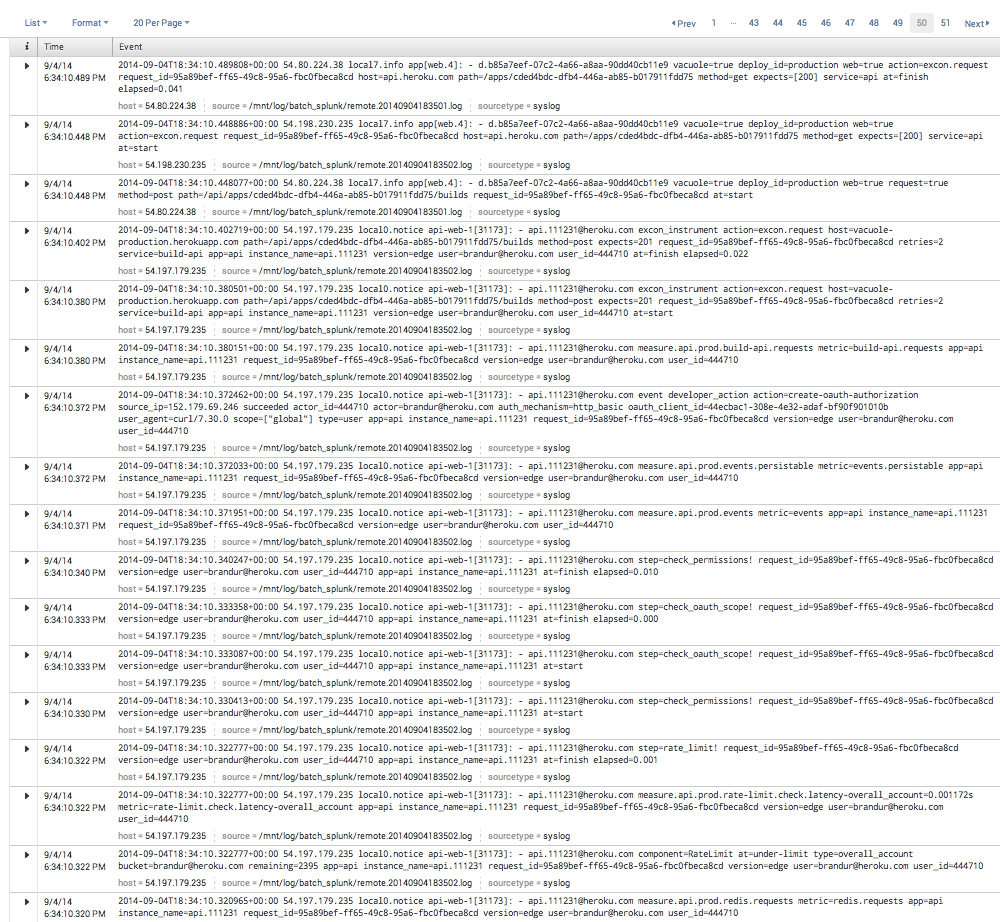
Many of Heroku's internal components make heavy use of logfmt to log information about what's going on in production. The format is hugely valuable in that it allows us to retroactively analyze what happened during any arbitrary request to our components, query our log traces in very flexible ways, and combined with Splunk, easily generate […] The post Hutils –…