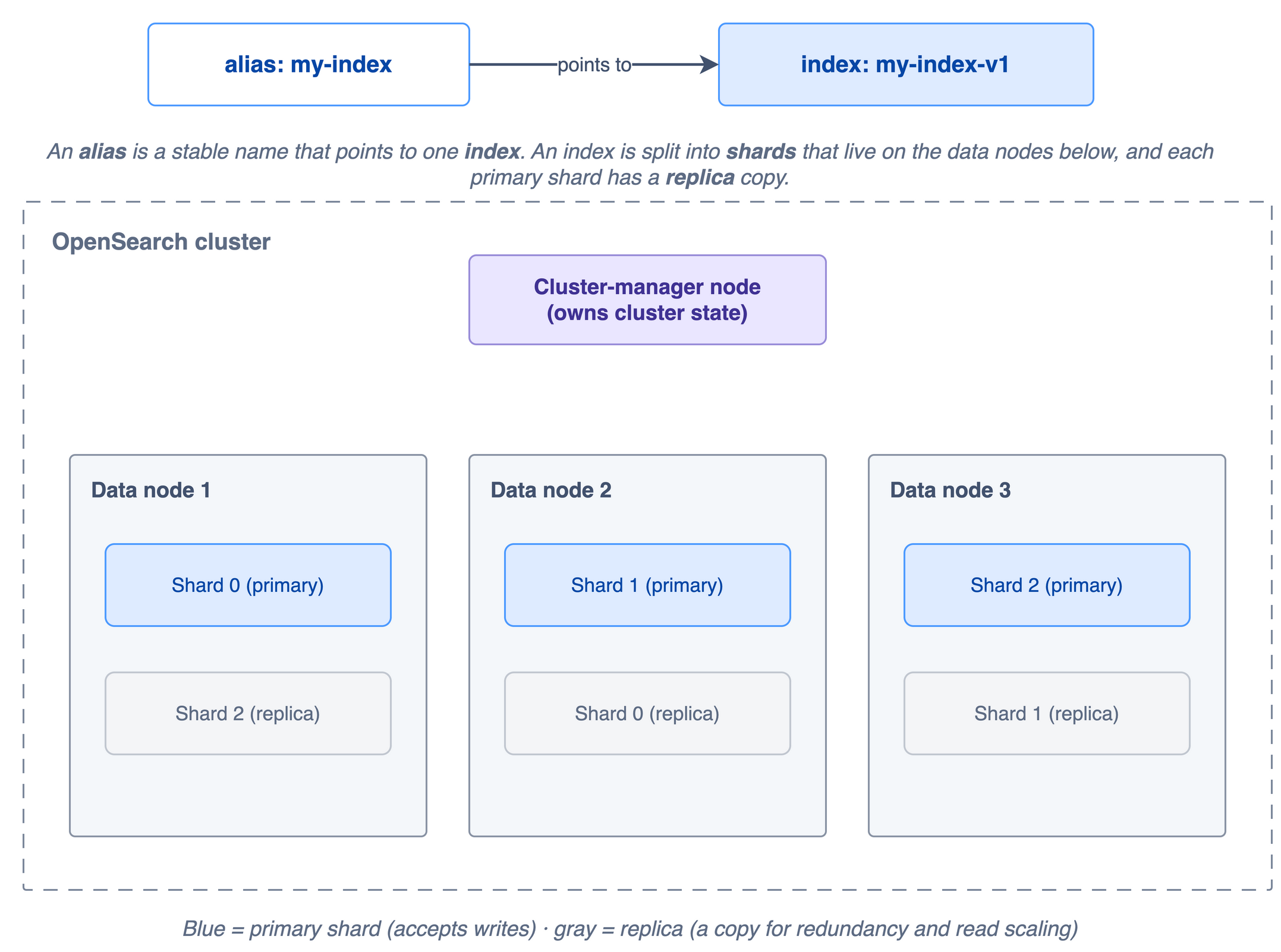
Learn how Atlassian built AOSC, an OpenSearch plugin to reshape indices and scale their shards online. AOSC is a zero-downtime* index migration & scaling engine for OpenSearch, built as an OpenSearch plugin. It’s open source (GitHub repo, docs), and this post is the story of how, and why, we built it. Anyone who has worked […] The post Online index…
#how we build
15 posts
24 Jul
23 Jul
Each quarter, we ask some of our R&D teams to take a week away from the day-to-day to experiment and innovate on AI. We call this AI Builders Week, and it helps fuel our AI transformation. In past quarters, we’ve focused on building for individual workflows — how do we each get faster and more productive […] The post Inside…
21 Jul
“You Should Be A Little Uncomfortable”: How Cursor Is Navigating the New Shape of Product Craft
Inside AtlassianEvery week, it seems like the rules change for building products. We’re all figuring this out in real time, and one of the best ways we’ve found to do that is to sit down with other leaders who are in the thick of it. That’s why Atlassian recently started a series called AI Talks at […] The post “You Should…
8 Jul
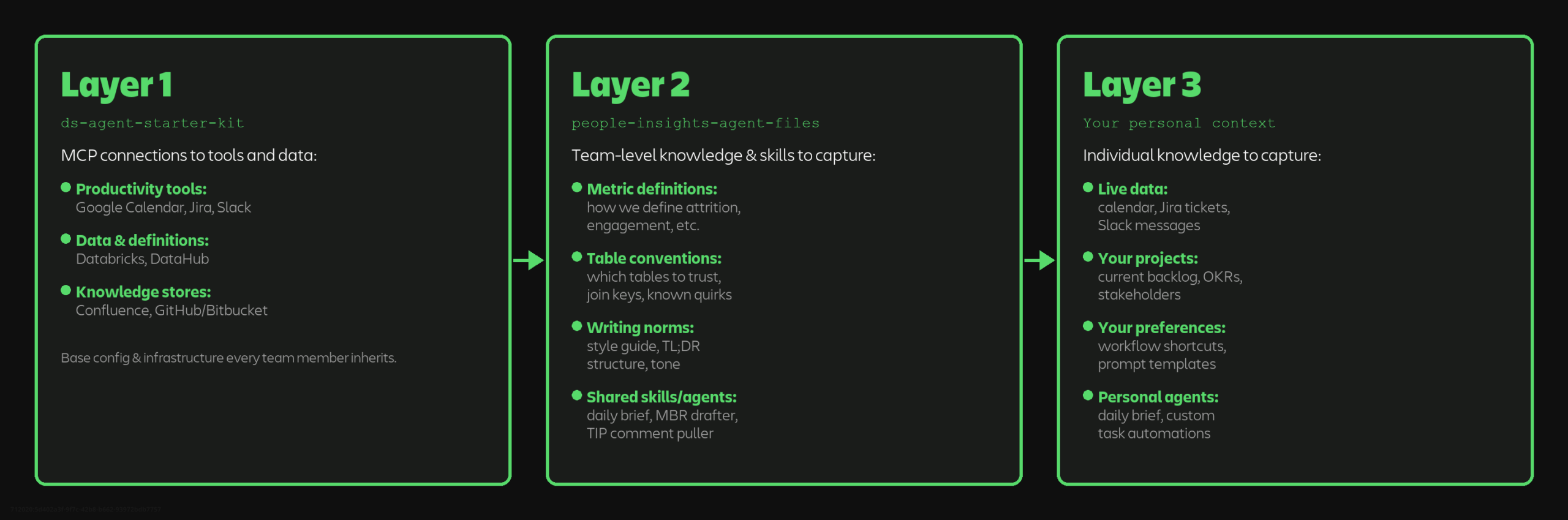
How the People Insights team used context engineering to give AI persistent memory of their work—and grew usage 562x in 7 days The post From tool to teammate: How one Atlassian team made AI a real coworker appeared first on Inside Atlassian.
30 Jun
Adopting AI technology without an effective strategy is costing the Fortune 500 an estimated $161 billion a year.* Enterprises are making big investments in this space but are struggling to realise the returns. We know the technology is designed to make businesses more efficient, but we’re still seeing the opposite because most businesses are treating […] The post How Atlassian…
24 Jun
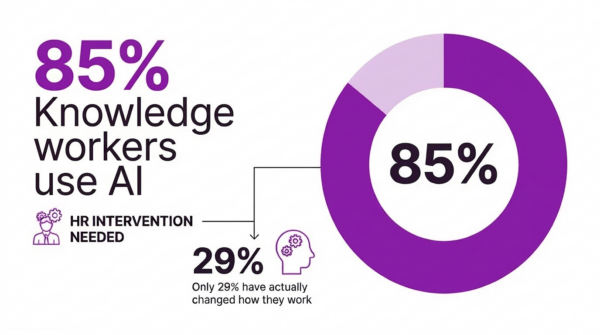
Companies are cutting new grad hiring to save money. Atlassian research suggests they're actually cutting their fastest path to AI adoption. The post HR in the age of abundant intelligence – what we believe appeared first on Inside Atlassian.
18 Jun
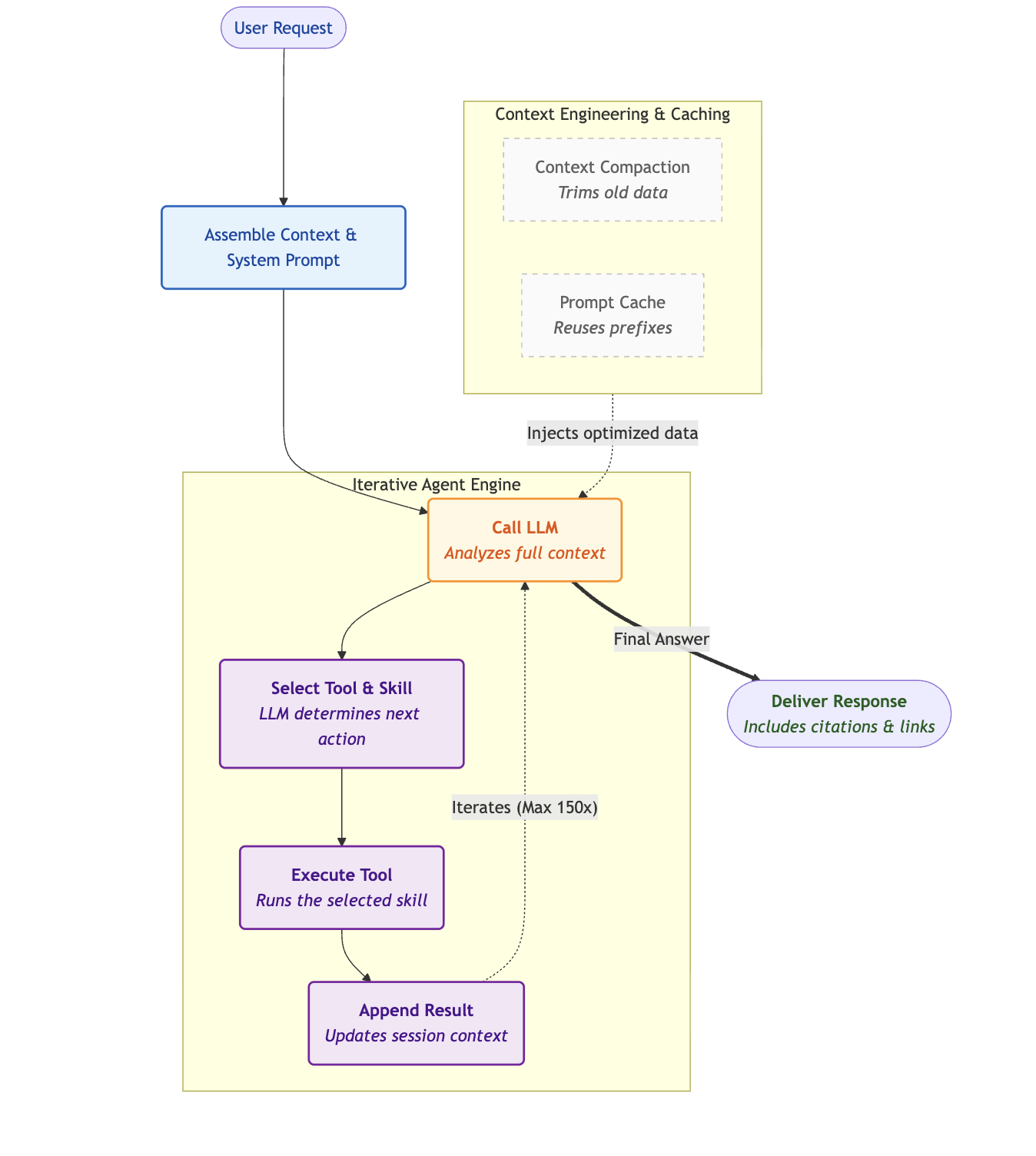
Last December, when the Rovo hybrid orchestrator was introduced, a hierarchical multi-agent system was introduced, where specialized subagents last introduced, one for Jira, one for Confluence, one for Slack, and so on — each handled their own domain. The hybrid orchestrator would decompose a user’s query, route subtasks to the right agent, and combine the […] The post Long Horizon:…
10 Jun
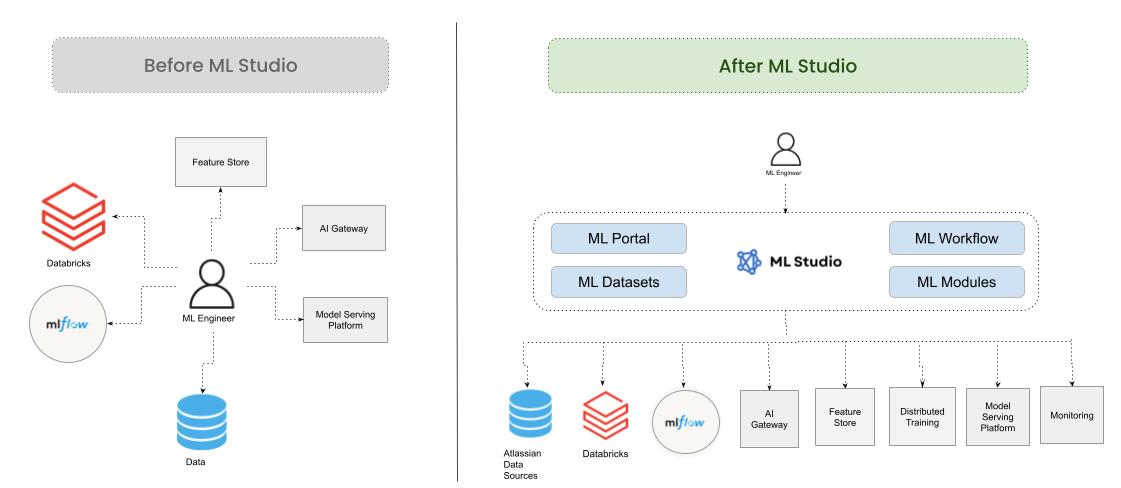
Architecting Scalable ML Platforms: The Integrated Infrastructure and Acceleration Behind Rovo
Inside AtlassianA novel, enterprise-scale architecture for modular ML development, high-velocity experimentation, and embedded governance – powering thousands of production workflows that underpin AI systems serving millions of Rovo users globally. Introduction: Engineering for Speed, Scale, and Governance in Enterprise AI As enterprise adoption of machine learning accelerates, organizations must operate ML systems across large, distributed teams […] The post Architecting Scalable…
1 Jun
AI is moving fast, and Atlassian app teams are rolling out new features at a cracking pace! In a quest to make sure that UX content stayed top quality, our content design team created the Content Assistant: a helpful teammate powered by Atlassian’s Rovo. It quickly became one of the business’s favourite AI helpers. Here’s what we learned while building…
29 May
The future of product craft: Why AI-native PMs build better products, not just work faster
Inside AtlassianAI use is accelerating across the modern enterprise. Teams are moving faster. The barrier to building will continue to drop. But the cost of building the wrong thing is about to skyrocket, because teams can now ship more of it, faster. Atlassian’s State of Teams 2026 report found that 89% of executives say AI has […] The post The future…
14 May
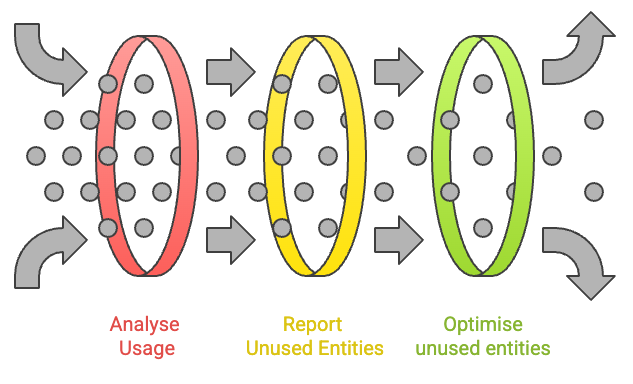
Optimisation Tools for Jira: Reducing Configuration Bloat and Enhancing Performance
Inside AtlassianAs Jira Cloud grows to support larger and more complex customers, so does the configuration that powers their work: custom fields, work types (formerly issue types), screens, schemes, and workflows. Over time, many of these entities become unused or redundant. The result is configuration sprawl—slower experiences, heavier data shapes, and higher admin overhead. To scale […] The post Optimisation Tools…
6 May
Over the past few decades in the technology industry, some of the biggest constraints to building products have been about having enough engineers, time, or compute. For the first time, that era is ending. Tech teams are experiencing a revolution unlike anything they’ve seen before. The barriers to entry for building have all but disappeared. […] The post The bottleneck…
29 Apr

A year ago, my workflow looked very different. When a design problem opened up, I explored it by hand. Multiple screens. Multiple flows. Sometimes two or three versions of the same interaction just to compare one subtle difference. Divergent ideas spread across endless pages and files. The work helped us think, but it also created […] The post Designing In…

Everyone is shipping AI products now, and most look impressive in demos but fail in the messy reality of daily work. The problem often isn’t the model; it’s the product built around it. In this article, I’ll share what I’ve learned building AI products in environments where trust isn’t optional, and what it actually takes […] The post Designing AI…
At Atlassian, we use Merge Queues to ship frequent changes with confidence and streamline pull request merges. Across some of our busiest codebases, Merge Queues have sharply reduced incident frequency and turned merging from a stressful bottleneck into a background task. Today, most of our largest repositories rely on Merge Queues—over 70 large repos across […] The post Inside Atlassian’s…